Should I Keep Comprehensive on a Car Sitting Unused
It depends on what could still happen to the car while it sits, and whether the cost of comprehensive is worth covering against that.
Free to compare
Usually worth keeping, but not always required
Comprehensive covers things that can happen to a parked car just as easily as a driven one. Fire, theft, a falling branch, a cracked windshield, flooding, a break-in. None of that requires the car to be on the road.
If you're not driving the car at all, you could drop liability and collision and keep only comprehensive, which is often the cheaper way to stay covered while the car sits. Dropping comprehensive too saves more, but it means you're paying out of pocket for any of those risks yourself. Whether that trade makes sense depends on where the car sits, what it's worth, and how long it's going to be unused.
Where the car is parked
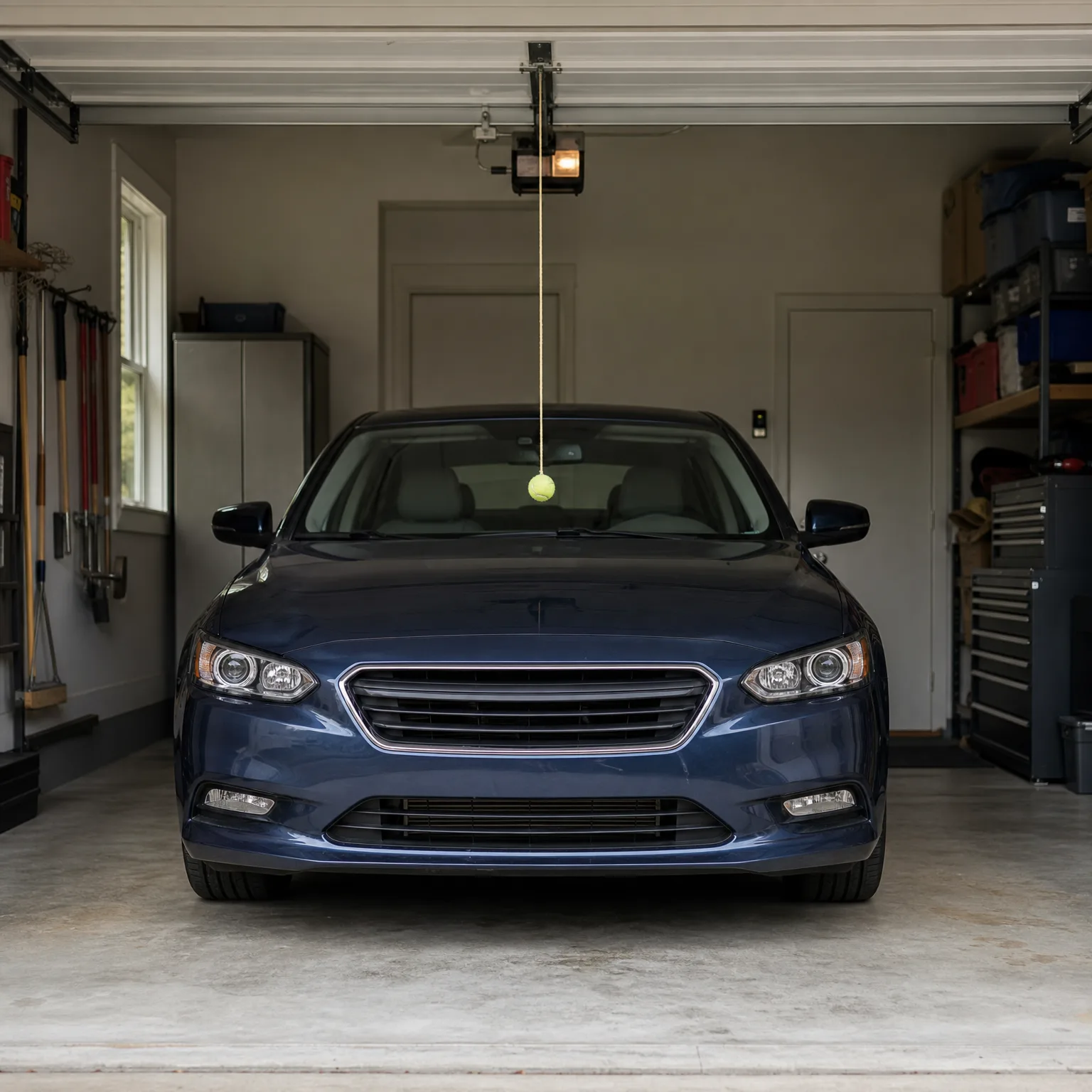
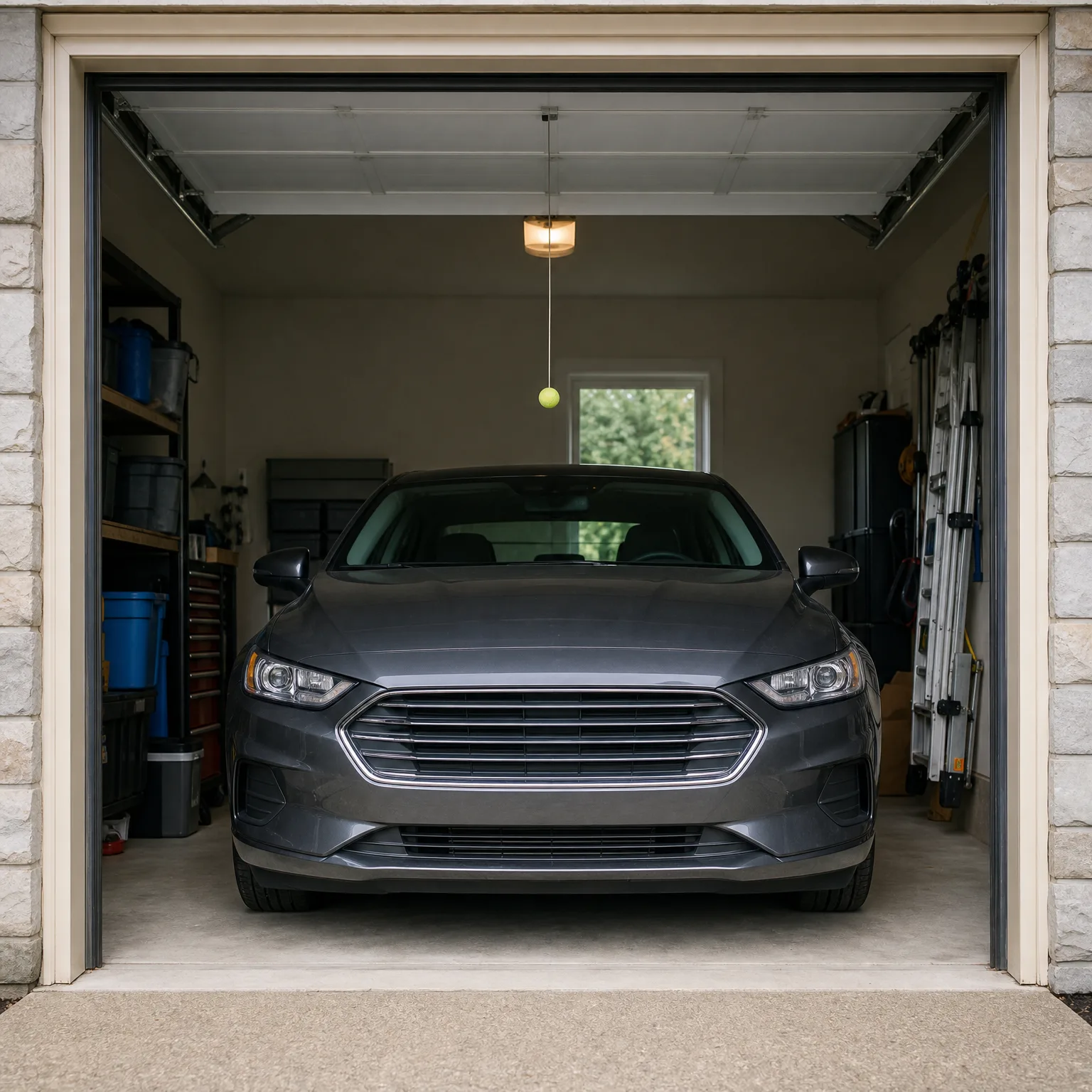
A car sitting in a locked garage faces a different set of risks than one parked on the street or in a driveway. Garaged cars are less exposed to weather, theft, and the kind of random damage that comprehensive is built for.
If the car is going to sit outside for months, that changes the math. Hail, falling tree limbs, flooding, and vandalism are all things comprehensive pays for that liability-only coverage does not touch at all.
Tell your insurer where the car will actually be kept. Some insurers ask this directly and base part of the rate on it. If the car is moving to a different location for the unused period, say so.
If you're storing the car somewhere you don't control, like a relative's property or a storage lot, ask what happens if something is damaged there. Comprehensive still follows the car, not the location, but it's worth confirming with your insurer.
What the car is worth
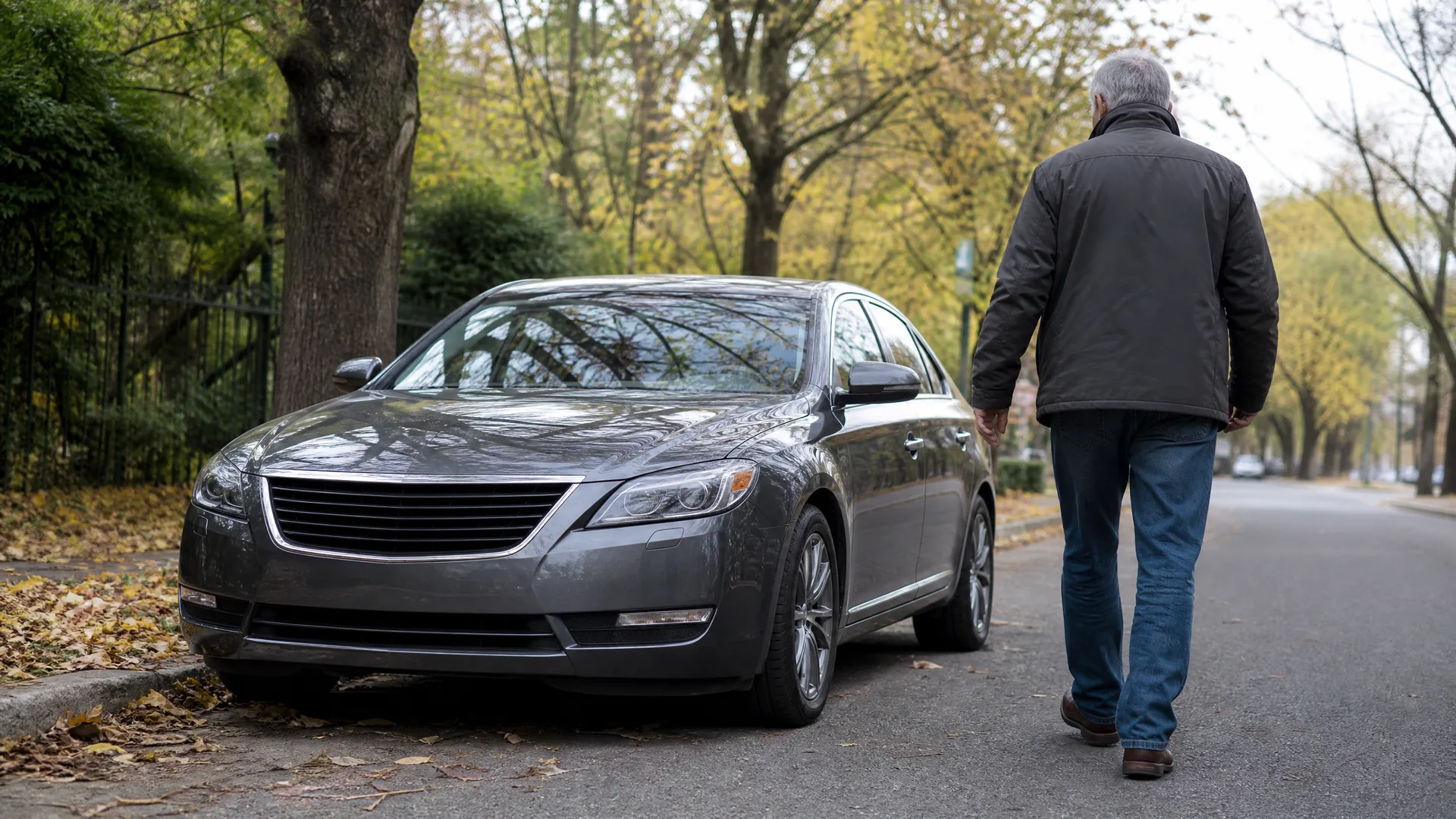
Comprehensive makes the most sense when the car itself has enough value to make a claim worthwhile. An older car worth very little may cost more to insure for comprehensive than it would ever pay out if something happened to it.
Ask your insurer or check recent sale prices for the same make, model, and year to get a sense of what the car is worth now, not what you paid for it. That number is what comprehensive would pay out on, minus your deductible.
If the car is worth very little, some people choose to drop comprehensive and accept the risk, especially if they could afford to replace the car if something happened. If the car is newer, still has a loan against it, or would be expensive to replace, keeping comprehensive while it sits unused is usually the safer call.
Check your loan or lease terms too. Many lenders require comprehensive coverage until the loan is paid off, whether or not the car is being driven.
Questions people ask about this
Can I switch to a storage policy for a car that's not being driven?
Some insurers offer a reduced coverage option for cars that are parked and not driven, sometimes called storage coverage. It usually keeps comprehensive in place while dropping liability. Ask your insurer directly whether they offer this and what it requires, since not all of them do.
Does comprehensive cover a car that won't start after sitting unused?
No. Comprehensive covers damage from specific events like fire, theft, weather, or vandalism. A dead battery, flat tires, or mechanical issues from sitting too long are not covered by comprehensive or any other part of a standard auto policy.
Will my rate go up if I report the car as unused?
It depends on the insurer. Some lower your rate because a parked car is less likely to be in an accident. Others ask questions about why it's unused and where it's kept before adjusting anything. Ask your insurer what reporting the car as unused would change on your policy.
Do I need to tell my insurer the car isn't being driven?
It's worth telling them, especially if the change will last a while. Insurers base part of your rate on expected mileage and use. If the car's situation changes significantly, your insurer may want to know, and not telling them could affect a claim later.
What happens if I cancel insurance entirely while the car sits unused?
If the car is registered and the state requires continuous coverage, canceling insurance entirely can trigger a lapse that affects your registration or your future rates. Check with your state's DMV or your insurer before canceling coverage on a registered vehicle, even one that isn't being driven.
See what it would cost to keep comprehensive, or just liability, before you decide.
Call your insurer this week and ask directly what your options are for a car that's sitting unused. Have the car's current value, where it will be parked, and how long it will sit in mind before you call. Ask specifically whether they offer a reduced or storage policy, and what dropping comprehensive would mean if something happened to the car while it's parked. If there's a loan on the car, check the loan terms for any coverage requirements first. Once you know your options, compare what a full policy costs against a reduced one to see whether the savings are worth the risk you'd be taking on.