Cheapest Car Insurance Coverage for a Car That Sits
A parked car still needs coverage, but which coverage you can drop safely depends on the car's value and how it's stored.
Free to compare
Liability plus comprehensive, without collision, is usually the cheapest coverage that still makes sense
For a car that sits most of the time, dropping collision coverage is often the biggest savings available, since collision covers crash damage and a car that isn't driven much has little chance of being in one. Comprehensive is worth keeping even on a parked car, because it covers fire, theft, falling branches, and weather, all things that happen whether the car moves or not.
What you can safely drop depends on whether you still owe money on the car and what the car is worth. If there's a loan or lease, the lender likely requires both comprehensive and collision no matter how little the car is driven. If you own it outright and it isn't worth much, dropping collision and keeping comprehensive is a common way to lower the premium without leaving the car completely uncovered.
Whether the car is still financed
If you're paying off a loan or leasing the car, your lender's contract decides your minimum coverage, not how often you drive it. Most loan agreements require comprehensive and collision for as long as you owe money, and that requirement doesn't go away because the car spends most of its time in the garage.
Once the loan is paid off, you get to decide for yourself whether collision is worth keeping. At that point the math is simple: compare what collision adds to your premium against what you'd actually get paid out if the car were totaled, given its age and condition.
If you're close to paying off the loan, it's worth asking your insurer what the policy would look like without the lender's requirement, so you know what to expect once you're free to change it.
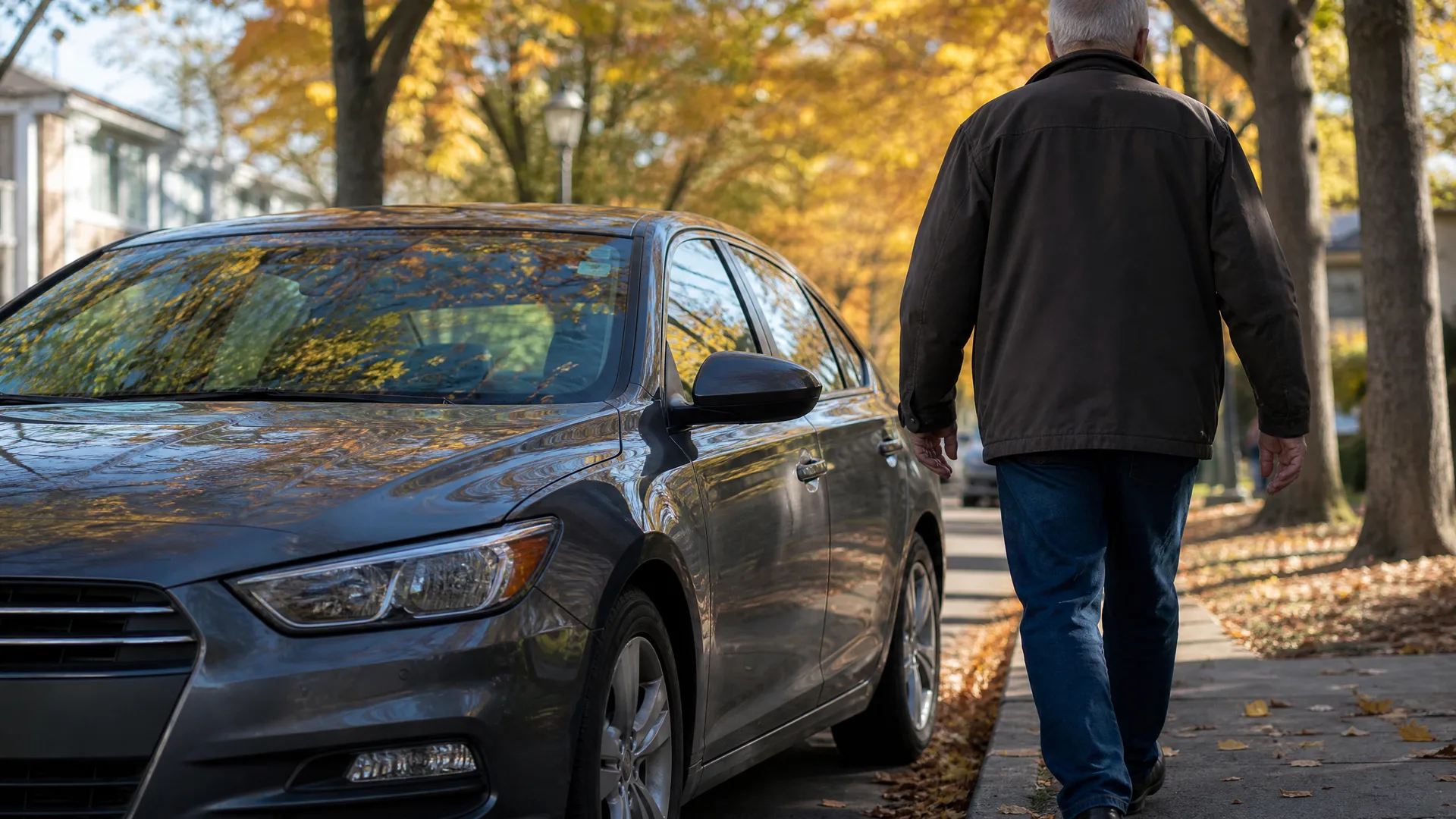
How the car is stored and whether you're still using it at all
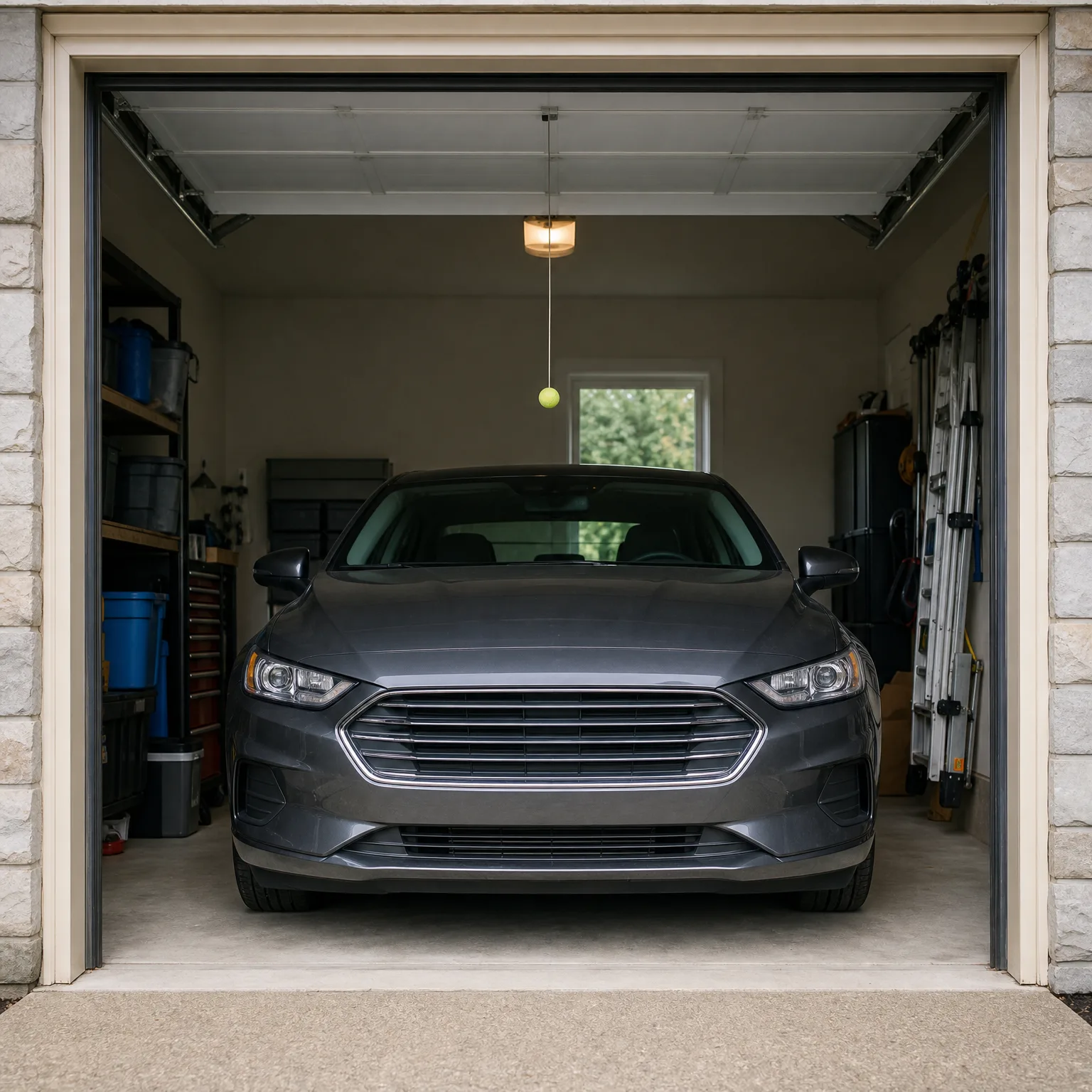
Insurers price a policy based on where the car normally sits and what it's used for, not just how many miles go on it. A car kept in a locked garage is a lower theft and weather risk than one parked on the street, and that can lower your comprehensive premium even if you change nothing else.
If the car isn't registered or driven at all for a stretch of time, some states allow a non-operational or storage status that suspends liability coverage while keeping comprehensive in place. This protects against fire or theft while the car is off the road, without paying for coverage you don't need. Whether this option exists, and what it requires, is set by the state's DMV, so it's worth checking there directly.
If you do still drive the car occasionally, even rarely, say so honestly when you get quotes. Insurers ask about usage for a reason, and misstating it can cause problems if you ever need to file a claim.
Questions people ask about this
Do I need insurance on a car I never drive?
In most states, yes, as long as the car is registered. Insurance requirements are usually tied to registration, not to actual use, so the car needs at least the state's minimum coverage unless you formally take it off the road with the DMV.
Can I switch to a storage policy for a car I'm not driving?
Some insurers offer a reduced policy for cars that are registered but not in use, and some states have a separate non-operational status through the DMV. What's available and what it requires varies by state and insurer, so ask both before assuming it applies to you.
Will my premium go down if I report low mileage?
Often, yes, since many insurers ask about estimated annual mileage and price accordingly. Ask your insurer directly whether they offer a low-mileage discount and how they verify the number you give them.
Does a car sitting unused still need comprehensive coverage?
It's worth keeping if the car has any real value, because comprehensive covers fire, theft, and weather damage, none of which depend on the car being driven. A parked car is still exposed to these risks, sometimes more so if it sits outside.
What happens to my coverage if I stop driving the car but don't cancel the policy?
The policy continues as written until you change it, so you'll keep paying for whatever coverage you have, used or not. If the car's situation has changed, call your insurer and ask them to adjust the policy to match how the car is actually being kept and used.
See what a policy built around a parked car actually costs before you decide what to drop.
Check with your lender first if there's still a loan on the car, since that may decide your minimum coverage. If the car is paid off, call your insurer and ask what premium you'd see with collision dropped and comprehensive kept, so you can compare it against the car's actual value. Ask whether your state or insurer offers a reduced rate for low mileage or a non-operational status if the car isn't being driven at all. Have the car's current value, where it's parked, and roughly how often it's driven ready before you call. Then compare that quote against a couple of other insurers to see whether the savings hold up elsewhere.