Can I Use My Parents' Address on My Car Insurance
You can only use an address where you actually live or regularly keep the car, and insurers check this more than people expect.
Free to compare
It depends on where you really live and keep the car
If you genuinely live at your parent's address, or the car is mainly kept there, you can list that address. Insurance pricing is based on where a car is normally parked overnight, because that's what drives the risk the insurer is pricing.
What you can't do is use their address while you actually live and keep the car somewhere else, just because the rate might be lower. That's called rating or garaging misrepresentation, and insurers treat it as a basis to deny a claim or cancel the policy.

Where the car actually sleeps at night
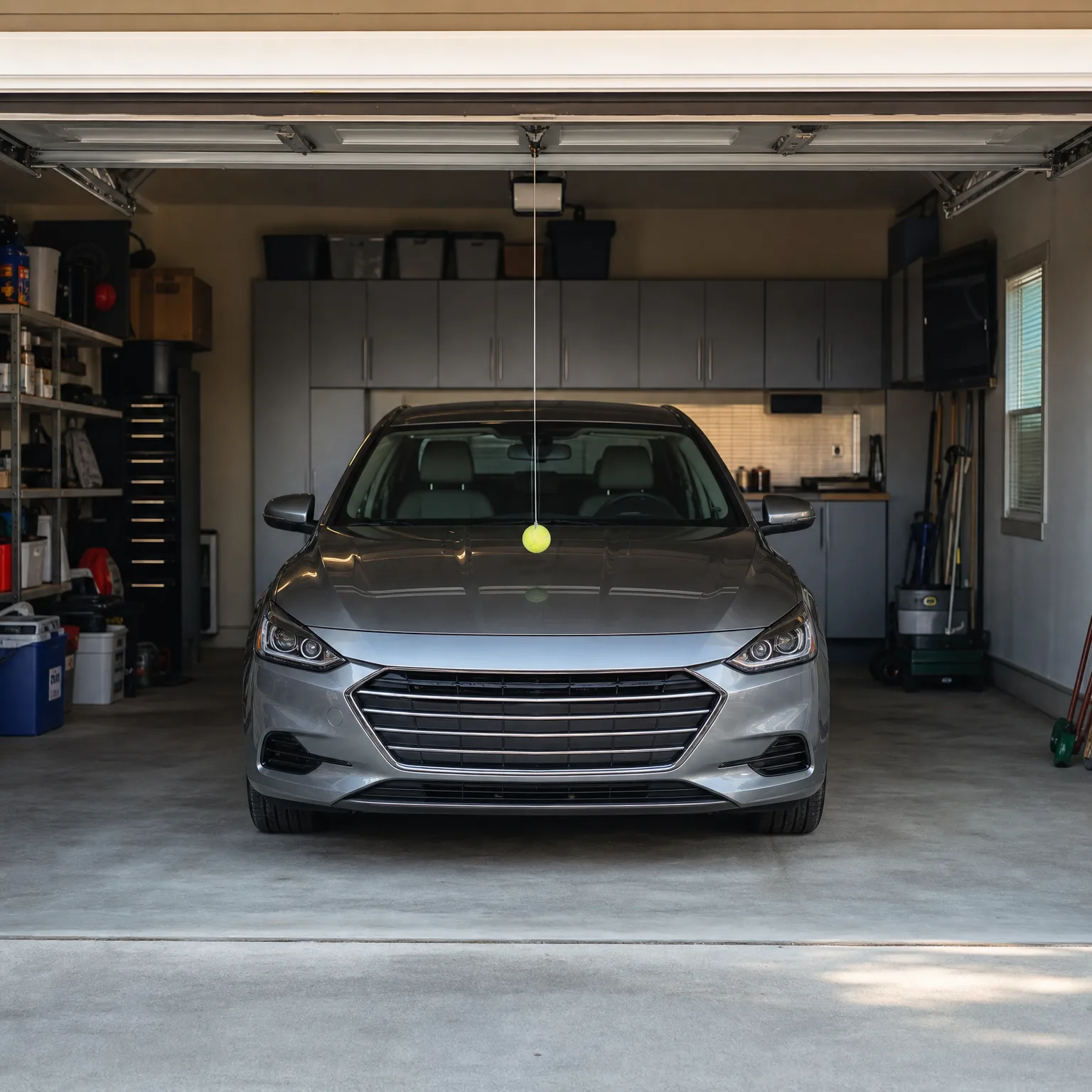
Insurers price a policy around the address where the car is kept most of the time, not the address on your driver's license or where you're registered to vote. If you moved out but your car is still parked at your parents' place most nights, that's a legitimate garaging address.
If you live somewhere else and the car is usually there with you, that's the address that belongs on the policy, even if your parents' address would cost less. An insurer can ask for proof of where you live and where the car is kept. A lease, a utility bill, or a mail delivery record can all be used to check this.
This matters most at claim time. If an accident happens at an address that doesn't match what's on the policy, the insurer can investigate whether the listed address was accurate when the policy was written.
If your living situation is genuinely split between two places, call your insurer and describe it honestly. They can tell you how to handle a case like that under their rules.

What insurers actually check and when
Insurers don't verify every address at the moment you buy a policy. They often check later, usually when there's a claim, a renewal, or a routine audit. That's when a mismatch tends to surface and cause the most damage.
A common situation is a young driver still listed as living with a parent for insurance purposes after moving out for work or school. If that's your case, tell your insurer directly rather than letting the address go unchanged. Some insurers have a legitimate way to rate a driver who lives elsewhere but isn't the primary driver of a car kept at the parents' address.
What counts as acceptable documentation and how strictly an insurer investigates varies by company and by state. If you're not sure whether your situation qualifies, ask your insurer directly what they need to see and how they define your legal residence for the policy.
Questions people ask about this
What happens if I get caught using the wrong address for car insurance?
The insurer can cancel the policy or deny a claim tied to the misrepresented address. Some may also void the policy entirely if they find the address was inaccurate from the start. The exact consequence depends on the insurer's rules and what the investigation finds.
Can I insure a car at my parents' address if I don't live there anymore?
Only if the car itself is actually kept there most of the time, not just because you want their address on the policy. If you live elsewhere and the car is usually with you, your own address is the one that belongs on the policy.
Do I need to change my car insurance address when I move out?
Yes, you should update it as soon as your living situation or where the car is kept changes. Waiting until renewal or a claim is when insurers are most likely to notice a mismatch and question it.
Can my parents add me to their insurance if I live somewhere else?
This depends on the insurer, since some allow a driver who lives elsewhere to stay on a parent's policy if the car is still garaged at the parents' address. Ask the insurer directly how they'd rate this and what proof they need.
Will my insurance rate change if I update my address?
It can, since rating is tied partly to where the car is kept. Whether it goes up or down depends on the specific addresses involved and how each insurer rates that area, so the only way to know is to ask for an updated quote.
Compare quotes based on where you actually live so your coverage holds up if you ever need it.
Before you list any address, settle where you actually live and where the car is kept most nights, since that's what the policy needs to reflect. If your situation changed recently, call your current insurer this week and tell them plainly what's different. Ask what documentation they'd want to see, such as a lease or utility bill, so you're not caught off guard later. If you're moving between your place and a parent's place regularly, ask specifically how they handle that kind of split living arrangement. Once you know the right address, get a fresh quote using it, since the rate you're comparing should reflect your real situation, not an old one.