Can I Use Someone Else's Address for Car Insurance
If you don't actually live at that address, listing it on your policy is insurance fraud, even if it saves you money.
Free to compare
No, not if you don't live there
Your car insurance has to be rated on the address where the car is actually kept and where you actually live. That's not a formality. Insurers set your rate partly on your zip code, because claim rates, theft rates, and repair costs vary by area. Using an address you don't live at, a relative's house in a cheaper zip code, for example, is called rating fraud or address fraud.
It holds regardless of your age. An insurer that finds out, whether through a claim investigation, a traffic stop, or just a routine check, can cancel your policy, deny a claim, or report the fraud, and once that's on your record it makes getting coverage harder and more expensive going forward.
What counts as your real address
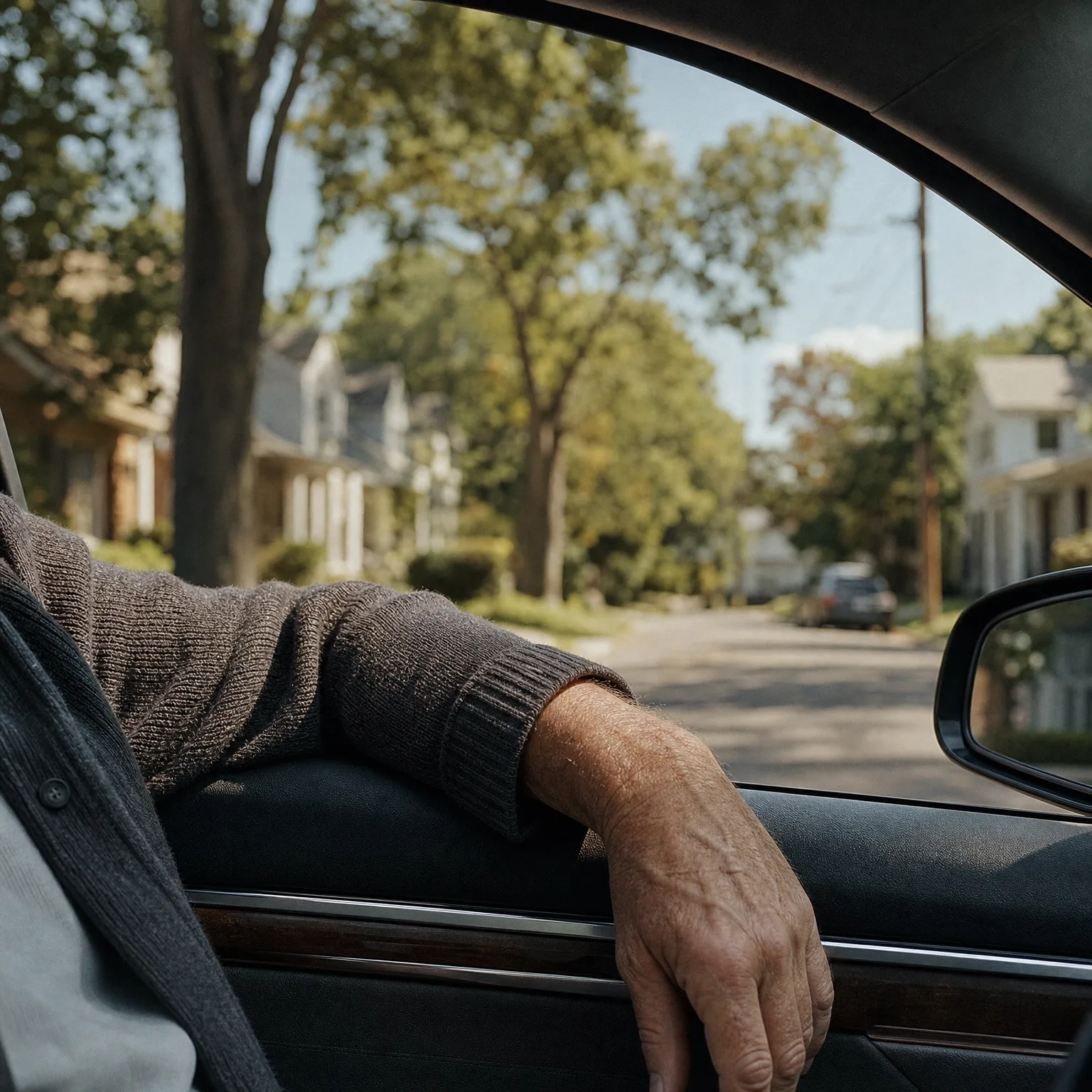
Insurers mean where you sleep most nights and where the car is parked most nights. If you split time between two homes, like a house you own and an adult child's place you stay at often, the honest answer is usually wherever the car actually spends most of its time.
If you've genuinely moved, even temporarily, such as moving in with family for part of the year, your address should reflect that. Call your insurer and tell them. They'll tell you whether that changes your rate and what proof they need, like a lease, a utility bill, or a change of address with the postal service.
What gets people in trouble isn't moving. It's keeping an old address on file specifically because it's cheaper, while actually living somewhere else. That's the part that counts as fraud, not the move itself.
If you're not sure which address is the right one to use, your insurer or agent can tell you based on your actual situation. There's no guessing required on your end.

Why people try this, and why it backfires
The usual reason is rate shopping by zip code. A child or grandchild might list a parent's address to get a lower rate, or a retiree might think listing a rural relative's address instead of an urban one will save money. It sometimes does lower the quoted rate at first.
The problem shows up at claim time. If an insurer investigates a claim and finds the address doesn't match where you actually live, they can deny the claim outright, even if the accident itself had nothing to do with the address. You could end up paying out of pocket for exactly the thing you bought insurance to cover.
It also affects anyone else named on the policy. If a spouse or family member shares the policy, a fraud finding can unravel coverage for all of you, not just the person whose address was wrong.
If cost is the real issue, ask your insurer directly about discounts you may qualify for, such as low mileage, a defensive driving course, or bundling with another policy. Those are legitimate ways to lower a rate without touching your address.
Questions people ask about this
What happens if I get caught using a fake address for insurance?
Your insurer can cancel your policy and deny any claims filed while the wrong address was on file. Some states also treat it as insurance fraud, which can bring separate penalties. Ask your insurer what their specific process is if you're worried about a past policy.
Can I use my child's address if I live with them part time?
Yes, if that's genuinely where you and the car spend most of your time. Tell your insurer the real situation and let them tell you how to document it, rather than deciding on your own which address sounds better.
Does moving in with family change my car insurance rate?
It can, since rates are partly based on where the car is garaged. Whether it goes up or down depends on the new zip code's claim and theft history, which only your insurer can tell you for certain.
Will my insurer verify my address?
They can, through methods like matching your license, registration, or a claim investigation against the address on file. Even if they don't check right away, a mismatch can surface later when you file a claim.
Can I list two addresses if I own homes in two states?
Your policy needs one rating address, usually wherever the car is kept most of the year. If you genuinely split time evenly, ask your insurer how they want that handled, since the answer depends on their rules and sometimes on the state.
If what you want is a lower rate, there are honest ways to get there. Compare quotes based on where you actually live.
Check your current policy for the address on file and compare it to where you and the car actually spend most nights. If they don't match, call your insurer this week and tell them the real situation before anything else happens, like a claim or a renewal. Ask what documents they need to update it, such as a lease or utility bill, and ask directly how the change affects your rate. If the concern was really about cost, ask about discounts you qualify for, like low mileage or a driving course, instead of relying on an address that isn't accurate. Getting it right now is simpler than untangling a denied claim later.