How to Get Car Insurance Without a Permanent Address
Insurers need an address to write your policy, but it doesn't have to be the deed or lease on a house.
Free to compare
Yes, but you need an address of some kind
Car insurance companies require an address on every policy, mainly to determine which state's rules and rates apply to you and where to send your documents. That address doesn't have to be a permanent home. A mailing address, a relative's address, or in some cases a PO box plus a separate physical location can work, depending on the insurer.
What matters most is that the address is honest and that you can receive mail there. Insurers use it to set your rate and to confirm you're insured in the right state, so giving an address where you don't actually spend time can cause problems later if you ever file a claim.
Your state decides what counts as a valid address
Every state sets its own rules for what an insurer can accept as proof of address, and those rules exist partly because your state is the one that determines your coverage requirements and your rates. Some states allow a PO box as long as you also give a physical location, like where your car is usually parked or where a family member lives. Others want something closer to a residential address.
If you're between homes, staying with family, or living in an RV or a vehicle, call the insurer directly and ask what they'll accept before you apply. Don't guess and don't leave the field blank, since an application with a made-up address can be treated as misrepresentation later.
If you recently moved states or don't know which state you count as your home state, that's worth sorting out first. Your home state is usually wherever your car is registered and where you spend most of your time, and it's the state whose insurance rules apply to you regardless of what mailing address you use.
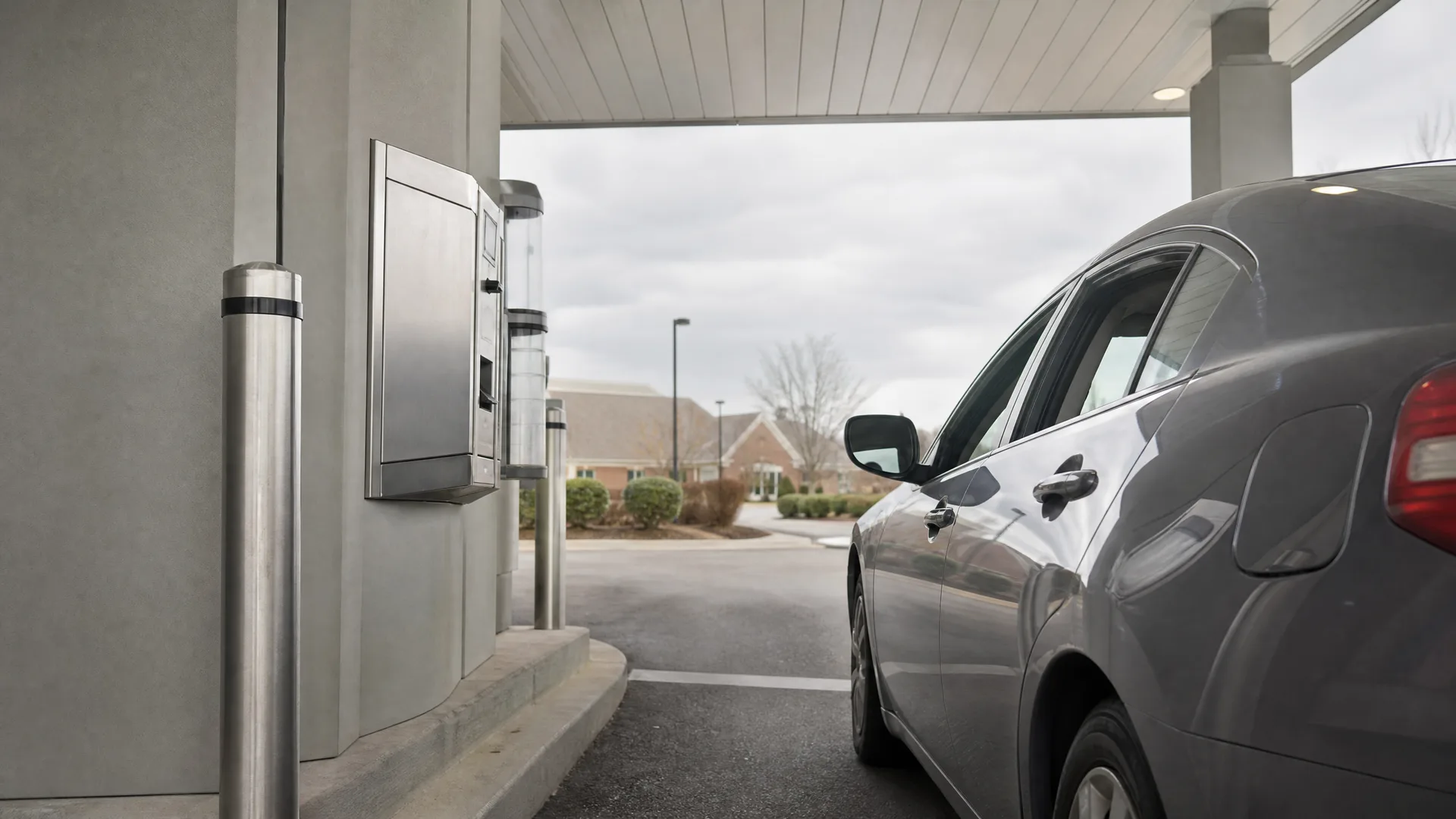
Where your car is actually kept matters as much as your mailing address
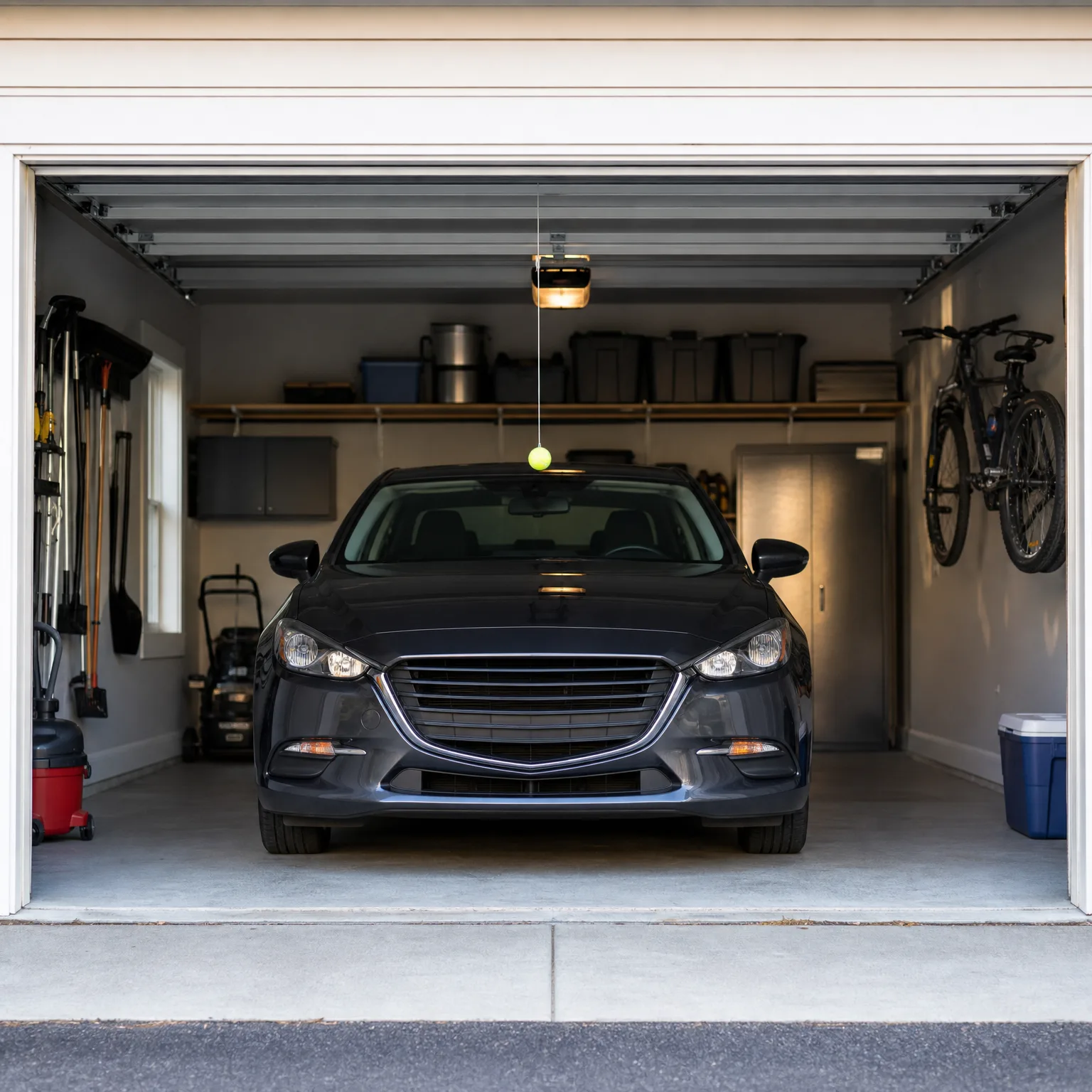
Insurers ask two separate questions that often get confused: where do you want mail sent, and where is the car garaged. The garaging address is the one that affects your rate, because it tells the insurer where the car is parked overnight and what risks apply there, like weather, theft rates, or local claims history.
If you use a relative's address for mail but your car actually stays somewhere else most nights, tell the insurer the real garaging location. Giving a garaging address that isn't accurate can affect a claim down the road, even if your mailing address is fine.
If you move around frequently and don't have one place the car is usually kept, say that plainly when you apply. Some insurers have a way to handle this, and some don't, so it's worth asking directly rather than picking an address that sounds safest.
Questions people ask about this
Can I use a PO box for car insurance?
Some insurers accept a PO box, but usually only alongside a separate physical address for where the car is garaged. This varies by state and by insurer, so ask directly rather than assuming either way.
Can I register a car without a permanent address?
Vehicle registration rules are set by your state's DMV, not by insurers, and many states have a process for this using a relative's address or an affidavit. Check with your state's DMV directly, since the documentation they require is different from what an insurance company asks for.
What if I live in my car or an RV full time?
You still need an address for insurance purposes, usually a mailing address plus wherever the vehicle is typically parked. Some insurers have more experience with this situation than others, so it helps to ask how they handle it before you apply.
Does my insurance address have to match my driver's license address?
Not always, but a mismatch can raise questions, especially if you ever need to file a claim. If your license shows one address and your policy shows another, be ready to explain the difference and check with your insurer about whether that's a problem for them.
Will my rate change if I use a family member's address?
It can, because your rate is partly based on where the car is kept, not just your mailing address. If the family member lives somewhere with different traffic, theft, or weather patterns than where you actually spend time, ask the insurer how that address affects your quote.
See which insurers can work with your situation before you commit to one.
Before you apply, decide what address you'll use for mail and figure out separately where the car will usually be parked, since insurers ask about both. Call an insurer or two and describe your actual situation, whether that's staying with family, living in a vehicle, or moving between states, and ask what they need from you. Have a driver's license or state ID ready, along with any address you can use for mail, even if it's not your own home. If your state requires proof of address for registration, check with your DMV directly, since their rules are separate from what your insurer asks for. Keep a record of what you told each insurer so your application stays consistent if you're comparing more than one quote.