Car Insurance in Popular Retirement Destinations
Moving to a retirement destination can raise or lower your premium, and the state you pick matters more than the fact that you're retired.
Free to compare
It depends on where you move, not that you're retiring
There's no single answer, because retirement destinations differ enormously in how they price auto insurance. Some states popular with retirees have lower average premiums than where you're moving from. Others are higher, often because of weather risk, traffic density, or how the state regulates insurers.
What stays the same is how insurers look at you as a driver. Your age, your driving record, and the car you own still carry more weight than the fact that you've retired. A retiree in one state with a clean record and a modest car can pay less than a retiree in another state with the same profile, simply because the states price risk differently.

The state you move to sets the baseline
Every state has its own rules for auto insurance, from the minimum coverage required to how insurers are allowed to use age and credit history in setting rates. Some states cap how much weight insurers can give to age. Others don't restrict it at all.
Weather and claims patterns matter too. States with hurricanes, hail, or heavy flooding tend to have higher comprehensive claims, and insurers price that into every policy sold there, retiree or not. States with dense urban traffic, like parts of Florida or Arizona's larger cities, often see more accident claims than rural stretches of the same state.
Before you move, it's worth getting a quote for your new address specifically, not just a general sense of the state's reputation. Rates can vary a lot between a retirement community outside a city and one right in it.
If you're deciding between a few destinations, ask an agent in each state what the average premium looks like for someone your age with your driving history. That number will tell you more than any ranking of retirement-friendly states.
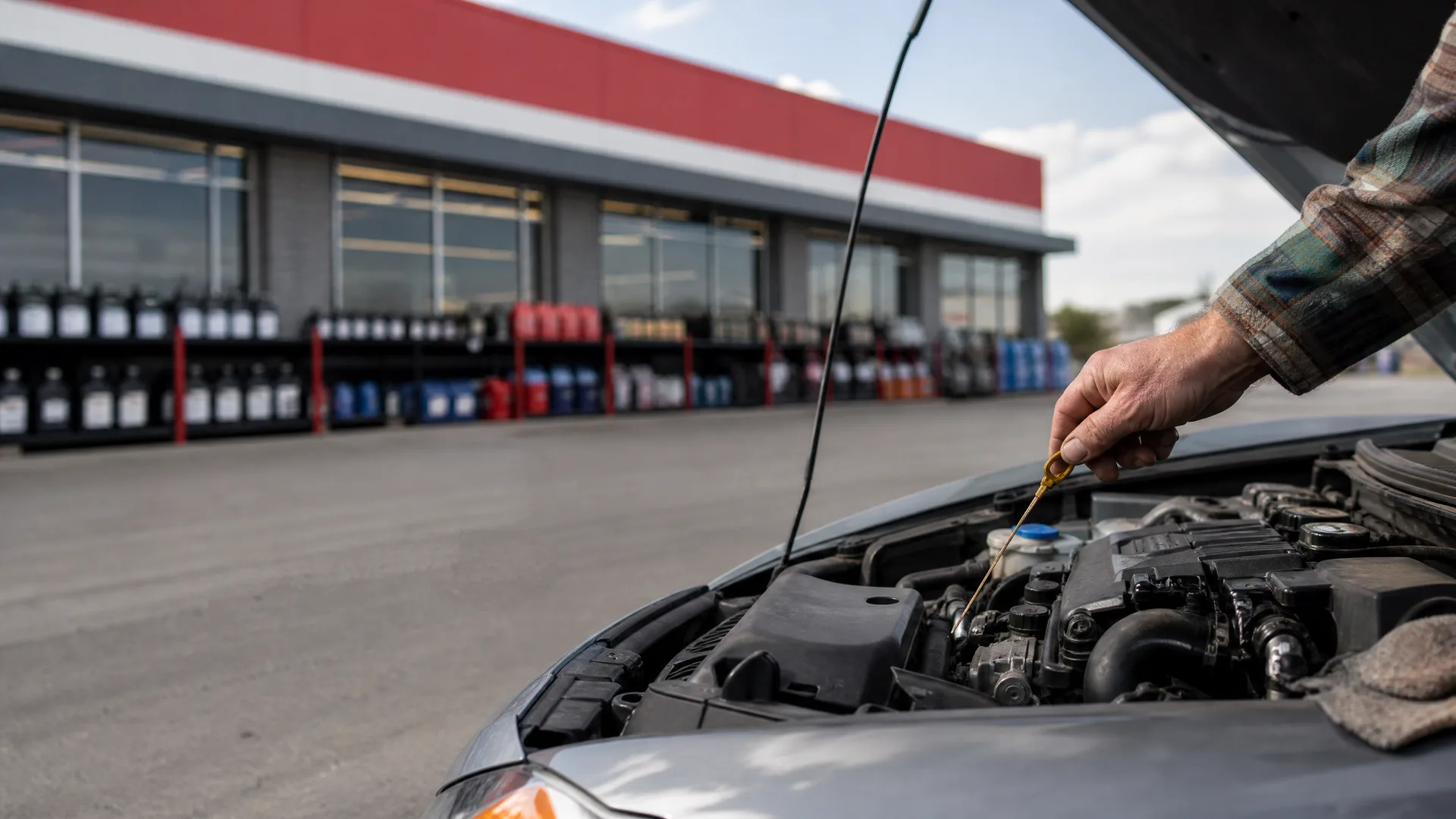
How you drive after you move changes the math
Retirement often means driving less, and that can lower your premium if your insurer offers a low-mileage discount or usage-based program. Ask whether your new insurer tracks mileage and whether reporting it gets you a lower rate.
It also means your car may sit in a new environment, which changes comprehensive risk. A car parked outside in a coastal area faces different weather and theft exposure than one in a garage in a drier climate. That shift shows up in your premium even if nothing else about you has changed.
Some retirees take a defensive driving or mature driver course after moving, which can lower a premium in states that recognize it. Check with your new insurer whether they offer that discount and what proof they need, since this varies by state and by company.
Finally, ask your current insurer whether they operate in the state you're moving to. Staying with the same company can sometimes simplify things, but it won't guarantee a better rate than shopping around once you arrive.
Questions people ask about this
Does my car insurance transfer when I move to another state?
No, you'll need a new policy registered to your new address, even if you stay with the same insurer. Insurance is regulated by each state, so your coverage, rates, and even the discounts available to you can change once you move. Contact your insurer before the move to ask how they handle the transition and whether there's a gap in coverage to plan for.
Is car insurance cheaper in Florida or Arizona for retirees?
It depends on the specific area you're comparing, not just the state as a whole. Both states have regions with high premiums and regions with lower ones, driven by local traffic, weather risk, and claims history. Get a quote for your actual address in each state rather than relying on statewide averages.
Will my premium go up if I only drive seasonally as a snowbird?
It depends on how you insure the vehicle during the months you're away. Some insurers offer reduced rates or storage coverage for a car that sits unused, while others charge the same whether you're driving it or not. Ask your insurer directly how they handle seasonal use and what you need to tell them when you leave and return.
Do I need a new driver's license before I need new car insurance?
Not necessarily, since licensing and insurance follow separate rules. Many states require you to register your vehicle and get insurance there within a set window of becoming a resident, which can happen before you've switched your license. Check your new state's DMV for its residency rules so you know which deadline applies first.
Can I keep my out-of-state insurer if I split time between two homes?
It depends on whether that insurer operates in both states and how your policy defines your primary residence. Splitting time between two homes can complicate which state's rules and rates apply to your policy. Tell your insurer about both addresses and ask how they classify your situation, since misreporting it can affect a claim later.
See what moving would actually cost you before you decide.
Get a quote for the specific address you're considering, not just the state in general, since rates can differ block by block. Have your driving record, current policy details, and the car you plan to keep on hand when you ask. Call your current insurer to ask if they operate in the new state and whether switching early avoids a coverage gap. If you'll be driving less after the move, ask about low-mileage or usage-based discounts at the same time. Check with the new state's DMV about residency deadlines for registering your car and getting insured there. Compare a few quotes from different insurers once you have a firm address, since the difference between companies in the same area can be as large as the difference between states.