
Car Insurance Shopping Guide for Senior Drivers in Riverside
Free to compare
Why Your Riverside Auto Insurance Rates Changed After 65
California allows insurers to use age as a rating factor starting at 65, and most carriers implement gradual rate increases between ages 70-75 even for drivers with perfect records. In Riverside County, senior drivers typically see premiums rise 8-15% between ages 65 and 70, with steeper increases of 15-25% after age 75, according to California Department of Insurance rate filings. These increases reflect actuarial tables, not your individual driving ability.
The rate adjustments hit hardest for drivers who maintained excellent records throughout their working years and expected their loyalty and clean history to insulate them from increases. Your premiums can rise even as you drive fewer miles post-retirement, even if you haven't filed a claim in decades, and even if your vehicle is now paid off. California's Proposition 103 requires insurers to base rates primarily on driving record, annual mileage, and years of experience — but age remains a permitted secondary factor after 70.
Riverside's urban density compounds these increases. The city's position in the Inland Empire means higher collision frequencies on corridors like the 91 and 215 freeways, and comprehensive claims from vehicle theft rates that run above the state average. Insurers price these regional factors into all policies, but the combination of age-based increases and Riverside's risk profile creates a double impact for senior drivers who may rarely use those congested routes anymore.
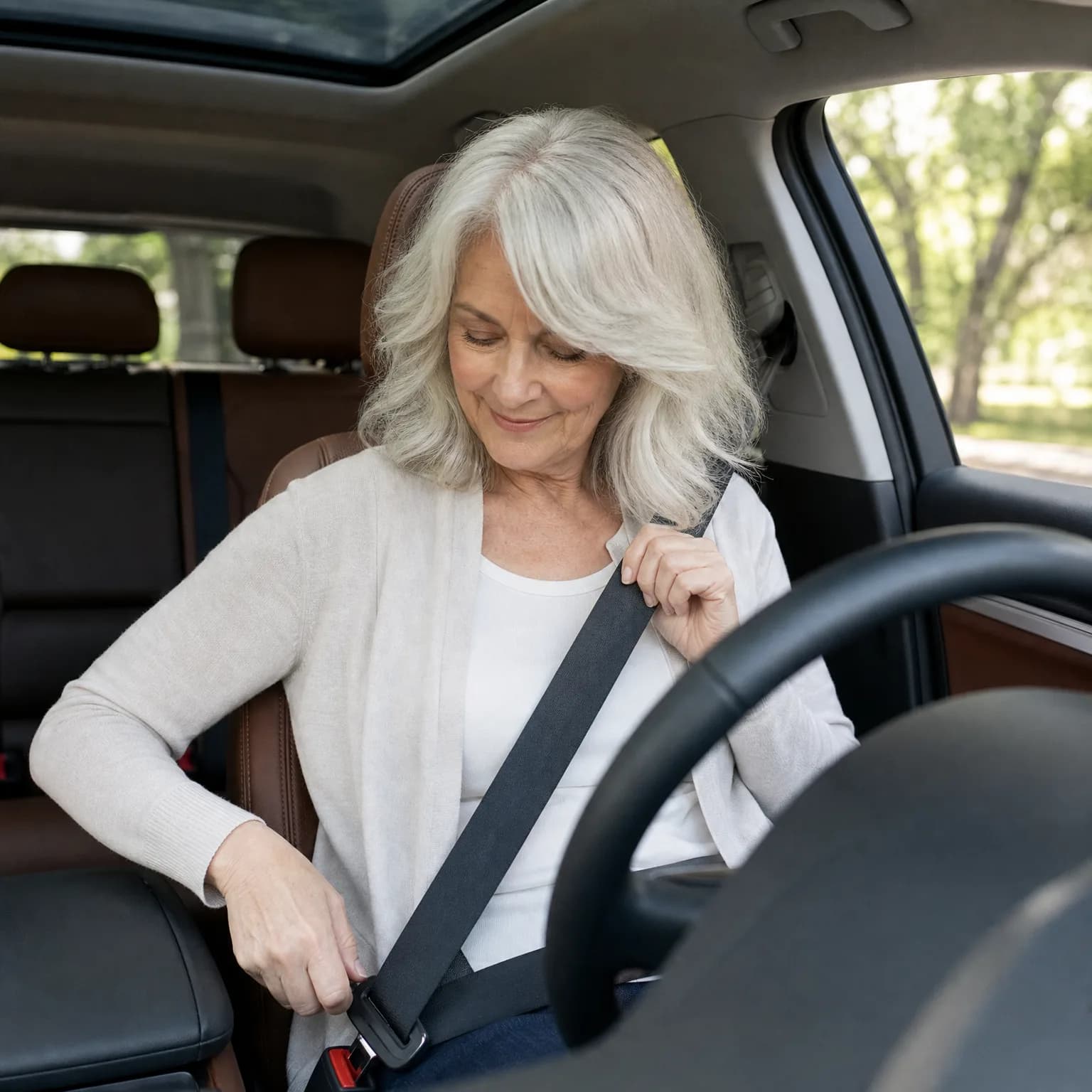
Mature Driver Course Discounts: The High-Value Benefit Most Riverside Seniors Miss
California does not mandate mature driver course discounts, but virtually every major insurer operating in Riverside offers them — ranging from 5% to 20% of your premium, translating to $150-$400 annually for typical coverage levels. The critical detail most senior drivers miss: insurers will not automatically apply this discount when you turn 55 or 65. You must complete an approved course, obtain a certificate of completion, and submit it directly to your insurance company.
AAA, AARP, and the National Safety Council offer approved courses both online and in-person. The online versions typically cost $20-$30 and take 4-6 hours to complete at your own pace. In-person courses through AAA offices in Riverside or senior centers in neighboring communities cost $15-$25 and run over one or two sessions. California requires course renewal every three years to maintain the discount, but the annual savings far exceed the time and cost investment.
The discount applies from the date your insurer receives the completion certificate, not retroactively. If you completed a course six months ago but never submitted proof, you've already lost two premium cycles worth of savings. When shopping for new coverage, confirm the discount with each carrier you're comparing — some apply it automatically upon verification, while others require you to request it explicitly at each renewal period. This is one reason premium comparisons for senior drivers must account for post-discount rates, not initial quote amounts.
Low-Mileage and Usage-Based Programs for Retired Riverside Drivers
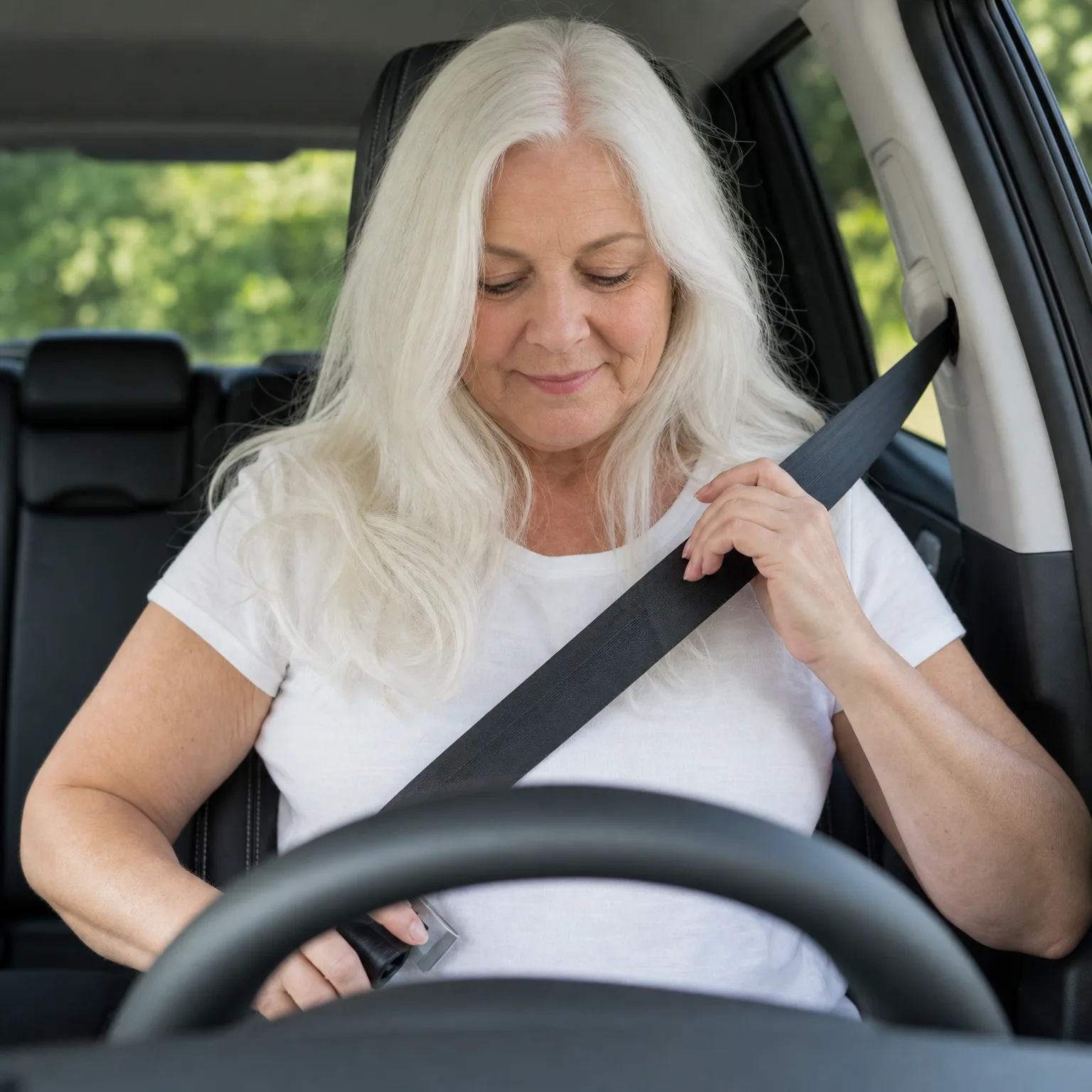
If you're no longer commuting to work and driving under 7,500 miles annually, low-mileage programs can reduce premiums by 10-30%. Most major insurers in California offer mileage-based discounts, but the verification methods and thresholds vary significantly. Some carriers accept your self-reported annual mileage and verify it at renewal through odometer photos. Others require telematics devices or smartphone apps that track actual distance.
Usage-based insurance (UBI) programs like Snapshot, Drivewise, and SmartRide monitor not just mileage but also driving patterns — hard braking, rapid acceleration, time of day, and in some cases, speed relative to posted limits. For senior drivers with smooth driving habits who avoid rush hour and primarily make short local trips, these programs often deliver discounts of 15-25% after the initial monitoring period. The privacy trade-off is real: you're sharing location and driving behavior data with your insurer.
Riverside's layout favors low-mileage discounts for retirees. If your routine consists of trips to nearby grocery stores, medical appointments along Magnolia Avenue or Arlington, and occasional longer drives, your annual mileage likely qualifies. Document your current odometer reading and check it again in three months to establish your actual annual rate. Many senior drivers overestimate their mileage by 2,000-4,000 miles annually because they're mentally anchoring to their working-years patterns.

See What Drivers Over 65 Are Paying Now
See If You Qualify for DiscountsWhen Full Coverage No Longer Makes Financial Sense in Riverside
The standard advice to maintain comprehensive and collision coverage until your vehicle's value drops below ten times your deductible is sound, but it requires actually knowing your vehicle's current value — not what you believe it's worth. If you're driving a 2012-2015 sedan or SUV that's paid off, its actual cash value in today's Riverside market is likely $4,000-$8,000, depending on condition and mileage.
With a $500 or $1,000 deductible, you're paying $800-$1,400 annually in comprehensive and collision premiums to protect against a maximum net payout of $3,000-$7,000. That ratio narrows further each year as the vehicle depreciates but your premiums stay relatively flat or increase with age-based adjustments. For a paid-off 2014 vehicle worth $5,500, you're essentially self-insuring the first $1,000 and paying $1,100 annually to cover the remaining $4,500 — a break-even point that arrives after just four claim-free years.
Dropping to liability-only coverage in California requires maintaining the state's minimum limits: $15,000 per person for injury, $30,000 per accident for injury, and $5,000 for property damage. Those minimums are dangerously low for drivers with retirement assets to protect. A better approach for Riverside seniors with paid-off vehicles of moderate value: drop collision and comprehensive, but increase liability limits to $100,000/$300,000/$100,000 or higher, and add uninsured motorist coverage. This configuration protects your assets from lawsuit exposure while eliminating premium costs for coverage that primarily benefits the lender you no longer have.

How Medicare Interacts with Medical Payments Coverage After an Accident
Medical Payments coverage (MedPay) pays for accident-related medical expenses regardless of fault, with typical policy limits of $1,000-$10,000. For senior drivers enrolled in Medicare, MedPay creates a coordination of benefits situation that most insurance agents explain poorly or not at all. Medicare is your primary health coverage, but it doesn't cover all accident-related costs immediately — and the gaps matter in Riverside's healthcare landscape.
Medicare Part B covers ambulance transport and emergency room treatment, but you'll pay the Part B deductible ($240 in 2024) plus 20% coinsurance on most services. If you're transported to Riverside Community Hospital or Kaiser Permanente Riverside after an accident, MedPay covers those out-of-pocket costs before Medicare processes the claim. MedPay also covers expenses Medicare doesn't: deductibles for hospital admission under Part A, skilled nursing facility coinsurance after day 20, and in some policies, funeral expenses.
The cost-benefit calculation depends on your existing Medicare Supplement (Medigap) coverage. If you carry a Plan G or Plan N supplement that covers most Medicare gaps, a $1,000 MedPay policy at $30-$50 annually provides minimal additional value. If you have Original Medicare only or a Medicare Advantage plan with higher cost-sharing, $5,000 in MedPay coverage at $80-$120 annually can prevent significant out-of-pocket expenses after a serious accident. California law prohibits insurers from requiring you to purchase MedPay, and it's one of the first coverages to evaluate when you're tightening a fixed-income budget.

Comparing Riverside Senior Auto Insurance: What Actually Matters
Premium quotes for identical coverage can vary by $600-$1,200 annually among major carriers serving Riverside, but those ranges expand or contract based on how you structure the comparison. When you request quotes, specify your actual annual mileage, confirm whether you've completed a mature driver course, and ask each carrier explicitly about senior-specific discounts beyond the course completion credit. Some insurers offer loyalty discounts for long-term customers, while others penalize tenure by failing to apply newly available discounts to existing policies.
Riverside's insurance market includes both national carriers and California-specific companies. CSAA, Mercury, and Wawanesa often quote competitively for senior drivers with clean records, while national brands like State Farm and Allstate may price higher but offer stronger local agent networks and more flexible payment options. The "best" carrier for your neighbor may be the worst for you if your garaging address, vehicle type, or coverage structure differs even slightly.
Before you switch carriers, verify your current insurer's cancellation policy and confirm the new policy's effective date. California requires continuous coverage to avoid lapses that trigger higher rates across all carriers. Request overlap coverage for 24-48 hours when switching to ensure no gap appears on your insurance history. One missed day of coverage can cost you a good-driver discount worth hundreds annually for the next three years, even if you never actually drove the vehicle during the lapse period.
Frequently Asked Questions
Do I need to retake the mature driver course every three years to keep my discount?
Yes, California insurers require course renewal every three years to maintain the mature driver discount. You'll receive a new completion certificate each time, which you must submit to your carrier before the previous certificate's expiration date. Missing the renewal window by even a few days means losing the discount until you complete the course again and resubmit proof.
Will my rates go down if I stop driving at night or during rush hour?
Not automatically — you need to enroll in a usage-based insurance program that monitors when you drive, not just how much. Programs like Snapshot and Drivewise track time-of-day patterns and typically offer discounts of 10-20% for drivers who avoid late-night and peak-traffic hours. Simply driving less frequently during those times won't affect your rate unless you're actively participating in a telematics program.
Can my adult children add me to their policy to save money?
Only if you live in the same household and they own or co-own the vehicle you're driving. Adding a senior parent to an adult child's policy usually increases the child's premium due to age-based rating factors, even if the parent has a perfect record. If you own your vehicle and maintain a separate residence, you need your own policy regardless of family relationships.
How do I know if I'm paying too much for car insurance in Riverside?
Compare your current premium against quotes from at least three other carriers with identical coverage limits, deductibles, and confirmed discounts applied. If quotes come back 20% or more below your current rate and you haven't shopped in the past two years, you're likely overpaying. Rates shift constantly based on each insurer's claims experience in Riverside, so loyalty doesn't guarantee competitive pricing.
Related Articles

Convert Joint Auto Insurance After Spouse Dies | Wisconsin
4/29/2026

Oregon License Renewal at 85: Testing & Insurance Impact
4/29/2026

MO License Renewal at 75: Tests, Restrictions & Rates
4/29/2026

Surviving Spouse Auto Insurance in Colorado: Transfer Rules
4/29/2026
Car Insurance After 70: Lower Rates Despite Increases
4/1/2026

Spouse Died in Hawaii: Convert Joint Auto Policy
4/29/2026