Car Insurance Shopping Guide for Senior Drivers in St. Louis
Free to compare
Why St. Louis Senior Drivers See Rate Changes After 65—And What You Can Actually Control
Auto insurance premiums in Missouri typically hold steady or even decline slightly between ages 65 and 70 for drivers with clean records, then begin climbing 8–15% as you move into your mid-70s. This isn't about your driving—it's actuarial age banding that carriers apply uniformly across their books. If you retired five years ago, drive 6,000 miles annually instead of 15,000, and haven't had a claim in a decade, you're statistically safer than most drivers on the road, but rate models still price you into higher-risk brackets after 70.
The good news: Missouri law mandates that all auto insurers offer discounts to drivers who complete state-approved mature driver improvement courses, and those discounts range from 5% to 10% depending on the carrier. The frustrating part is that carriers won't automatically apply this discount at renewal—you must complete an approved course, submit proof to your insurer, and explicitly request the reduction. AARP and AAA both offer approved courses that cost $15–$25 and can be completed online in 4–6 hours, yielding annual savings of $120–$280 for a typical St. Louis senior driver paying $1,400/year.
Beyond the mature driver discount, your actual leverage comes from low-mileage programs and usage-based insurance. If you're driving under 7,500 miles per year—common for retirees who no longer commute downtown or to Clayton for work—carriers like State Farm, Nationwide, and Metromile offer mileage-based discounts of 10–25%. Some require odometer verification; others use a small plug-in device. The device-based programs (telematics) also measure braking, acceleration, and time of day, which tends to favor experienced drivers who avoid rush hour and drive predictably.

The Mature Driver Course Discount: How to Claim It in Missouri
Missouri Revised Statutes Section 379.1881 requires insurers to offer premium reductions to drivers age 55 and older who complete an approved mature driver course. The discount applies for three years from course completion, then you retake the course to renew eligibility. Approved providers include AARP Driver Safety, AAA, the National Safety Council, and several Missouri-specific defensive driving schools.
Most St. Louis seniors choose the AARP Smart Driver course because it's available entirely online, costs $20 for AARP members ($25 for non-members), and takes about four hours spread across two sessions. You receive a certificate of completion immediately upon finishing, which you then submit to your insurance company either by uploading a PDF through your online account or mailing a copy to your agent. The discount doesn't appear until your next renewal unless you call and request a mid-term policy adjustment—some carriers will apply it immediately, others won't.
The average discount is 8% in Missouri, applied to liability, collision, and comprehensive premiums. On a $1,400 annual policy, that's $112 per year or $336 over the three-year validity period. If you and a spouse both drive and both complete the course, you're looking at $224 annually. Yet the Missouri Department of Insurance estimates that only 28% of eligible drivers over 65 have ever claimed this discount, primarily because they don't know it exists or assume their insurer would have mentioned it.

Coverage Adjustments That Make Sense When Your Car Is Paid Off and You're Driving Less
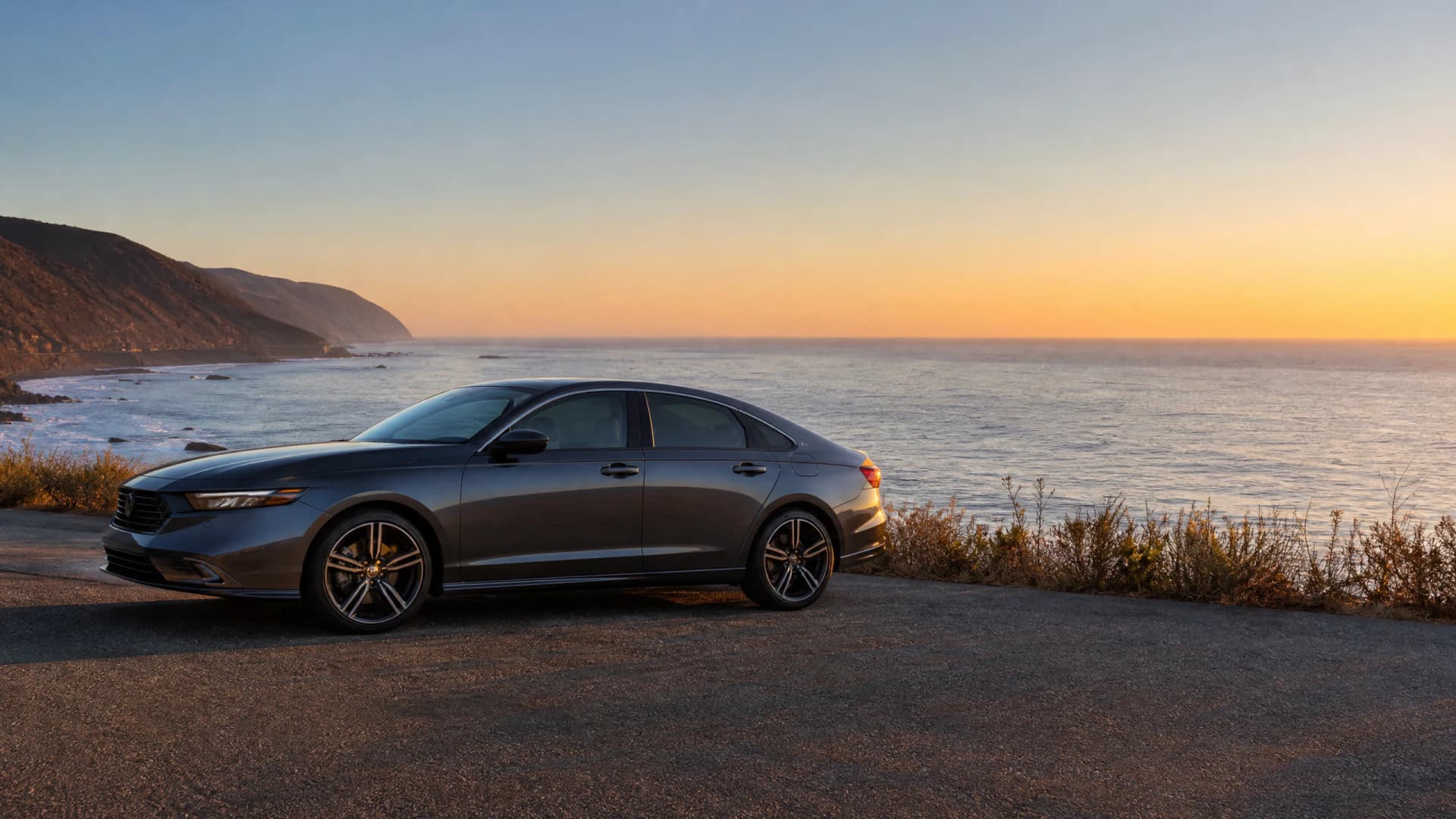
If you own a 2015 Honda Accord or similar vehicle outright and it's worth $8,000–$10,000, the math on full coverage starts shifting. Collision and comprehensive premiums for that vehicle in St. Louis typically run $450–$650 annually combined. If you file a claim, you'll pay your deductible (usually $500–$1,000) and receive the actual cash value minus depreciation—meaning a total payout of perhaps $7,000–$8,000 in a total loss scenario.
The breakeven question: are you paying $500/year to insure against a net loss of $6,500 (vehicle value minus deductible)? For some seniors, especially those with savings set aside for vehicle replacement, dropping to liability-only makes financial sense. For others—particularly those on fixed income who couldn't replace the vehicle out-of-pocket—keeping comprehensive (which covers theft, hail, and non-collision damage common in St. Louis storms) while dropping collision is a middle path. Comprehensive alone usually costs $180–$280 per year.
One piece many St. Louis seniors miss: if you drop collision and comprehensive, your liability limits become even more important. Missouri's minimum liability requirement is just 25/50/25 ($25,000 per person for bodily injury, $50,000 per accident, $25,000 for property damage), which is far too low if you cause a serious accident. Most financial planners recommend 100/300/100 or higher for retirees with assets to protect—a paid-off home in Webster Groves or retirement accounts can be targeted in a lawsuit if your liability coverage is exhausted. Increasing liability from minimum to 100/300/100 typically adds only $150–$250 per year, far less than collision coverage on an older vehicle.

See What Drivers Over 65 Are Paying Now
See If You Qualify for DiscountsHow Medicare Interacts with Medical Payments Coverage After an Accident in Missouri
Missouri does not require personal injury protection (PIP), but most carriers offer optional medical payments coverage (MedPay) that pays for your medical bills after an accident regardless of fault. For senior drivers on Medicare, this creates a coordination question: do you need MedPay if Medicare already covers your healthcare costs?
Medicare Part A and Part B will cover accident-related injuries, but they don't pay immediately and they don't cover your deductibles, co-pays, or the 20% coinsurance on Part B services. MedPay pays quickly—often within days—and covers those out-of-pocket costs up to your policy limit, which is typically $1,000, $5,000, or $10,000. If you're injured in an accident and transported to BJC or Mercy, MedPay can cover your ambulance bill, emergency room co-pay, and follow-up physical therapy costs that Medicare only partially reimburses.
The cost is modest: $5,000 in MedPay coverage usually adds $40–$80 per year to your premium in St. Louis. For seniors who carry Medicare Supplement (Medigap) plans that already cover most out-of-pocket costs, MedPay may be redundant. For those on Original Medicare without supplemental coverage, it's a relatively inexpensive safety net. The key is that MedPay is primary—it pays first, before Medicare processes the claim—which means faster reimbursement and less paperwork during recovery.

Low-Mileage and Usage-Based Programs for St. Louis Seniors Who No Longer Commute
If you drove 15,000 miles annually during your working years and now drive 5,000–7,000 in retirement, your insurance rate should reflect that reduction in exposure. Unfortunately, standard policies price based on your garaging zip code and coverage limits, not actual miles driven. Low-mileage discount programs fix that gap—but you have to ask for them.
State Farm's Steer Clear and Drive Safe & Save programs, Nationwide's SmartMiles, and Progressive's Snapshot all offer usage-based discounts. SmartMiles is the most transparent for low-mileage drivers: you pay a low base rate plus a per-mile charge, which works exceptionally well if you drive under 7,500 miles per year. Drive Safe & Save and Snapshot use telematics devices that plug into your OBD-II port and measure mileage, hard braking, rapid acceleration, and time of day. Safe, predictable driving—which describes most experienced senior drivers—can yield discounts of 15–30%.
The hesitation many seniors express: concern about privacy and tracking. The devices do record your driving patterns, but they don't track your location via GPS in most programs (Snapshot does; SmartMiles does not). If that's a dealbreaker, traditional low-mileage discounts are still available—Progressive, Travelers, and Erie offer 5–15% reductions if you certify annual mileage below 7,500 and allow periodic odometer checks. You won't get the deep discounts of telematics, but you'll still save $90–$200 per year compared to standard pricing.
One St. Louis-specific note: if you winter in Florida or Arizona and leave your car garaged for three months, some carriers allow you to suspend collision coverage during that period and carry only comprehensive. That typically saves $100–$180 for the suspension period, though not all Missouri insurers offer it and you must request it in writing before you leave.
Comparing Rates in St. Louis: What Senior Drivers Should Expect and How to Shop
Auto insurance rates for senior drivers in St. Louis vary by 40% or more across carriers for identical coverage. A 68-year-old driver with a clean record might pay $980/year with Erie, $1,290 with State Farm, and $1,510 with Allstate for the same 100/300/100 liability and full coverage on a 2018 sedan. Those gaps widen after age 72, when some carriers apply steeper age-based increases than others.
The most effective way to shop is to compare at least four quotes with identical coverage limits, deductibles, and discount eligibility. When requesting quotes, mention your mature driver course completion, low annual mileage, and any other applicable discounts (homeowner bundling, paid-in-full, automatic payment). Many agents won't ask about mature driver courses unless you bring it up—they assume if you'd taken one, you'd have mentioned it already.
St. Louis has a strong independent agent presence, which benefits senior shoppers. Independent agents represent multiple carriers and can quote Erie, Nationwide, Travelers, and regional carriers like Shelter and Auto-Owners simultaneously. Captive agents (State Farm, Allstate, American Family) represent only their company, which means you'll need to contact multiple agents to compare. Online quote tools work well for straightforward situations, but if you have questions about Medicare coordination, storage coverage for a classic car, or coverage while driving grandchildren across state lines, a phone conversation with an experienced agent clarifies faster than chatbots.
Frequently Asked Questions
Does AARP car insurance cost less for seniors in St. Louis?
AARP doesn't sell insurance directly—it endorses The Hartford, which offers AARP members a branded auto policy with features like accident forgiveness and new car replacement. Rates aren't automatically lower just because you're an AARP member; you still need to compare The Hartford's quote against State Farm, Erie, Nationwide, and other carriers serving St. Louis. The Hartford does offer RecoverCare benefits and lifetime renewal guarantees that appeal to senior drivers, but premiums vary based on your driving record, vehicle, and zip code just like any other carrier.
How often do I need to retake the mature driver course to keep the discount in Missouri?
The mature driver discount in Missouri remains active for three years from the date you complete an approved course. After three years, you must retake the course and submit a new certificate to your insurer to continue receiving the discount. Most St. Louis seniors set a calendar reminder for 34–35 months after completion so they can retake the course and have the new certificate ready before the discount expires at renewal.
Should I keep collision coverage on a 10-year-old car if it's paid off?
It depends on the car's current value and whether you could replace it out-of-pocket if totaled. If your car is worth $6,000 and collision coverage costs $400/year with a $1,000 deductible, you're paying $400 to insure a net $5,000 loss. Many St. Louis seniors in that situation drop collision and keep only comprehensive (which covers theft, hail, and storm damage) plus higher liability limits. If replacing the car would strain your retirement budget, keeping collision may still make sense even on an older vehicle.
Can I get a discount if I only drive my car to church and the grocery store?
Yes—if you drive fewer than 7,500 miles per year, you likely qualify for low-mileage or usage-based discounts. Programs like Nationwide's SmartMiles, State Farm's Drive Safe & Save, and Progressive's Snapshot reward low-mileage drivers with reductions of 10–30%. You'll need to either allow the insurer to verify your odometer periodically or use a plug-in device that tracks mileage and driving behavior. Even without telematics, many carriers offer 5–10% discounts if you certify low annual mileage.
Does my Medicare coverage replace the need for medical payments coverage on my auto policy?
Not entirely. Medicare will cover accident-related injuries, but it doesn't pay immediately and won't cover your deductibles, co-pays, or the 20% coinsurance on Part B services. Medical payments coverage (MedPay) on your auto policy pays quickly—often within days—and covers those out-of-pocket costs up to your selected limit. For seniors without a Medicare Supplement plan, MedPay provides a useful financial buffer during recovery without waiting for Medicare reimbursement.
Related Articles

Convert Joint Auto Insurance After Spouse Dies | Wisconsin
4/29/2026

Oregon License Renewal at 85: Testing & Insurance Impact
4/29/2026

MO License Renewal at 75: Tests, Restrictions & Rates
4/29/2026

Surviving Spouse Auto Insurance in Colorado: Transfer Rules
4/29/2026

Car Insurance After 70: Lower Rates Despite Increases
4/1/2026

Spouse Died in Hawaii: Convert Joint Auto Policy
4/29/2026