
Car Insurance Shopping Guide for Senior Drivers in St. Paul
Free to compare
Why St. Paul Senior Drivers See Rate Changes After 65
Auto insurance premiums in Minnesota typically increase 8–15% between age 65 and 70, with steeper jumps after 70 as actuarial tables shift risk calculations. This happens even if you've maintained a clean driving record for decades—insurers adjust rates based on age cohort claims data, not your individual history alone. St. Paul drivers often see these increases at renewal without explanation beyond "rate adjustment."
The good news: Minnesota law requires insurers to offer specific discounts that can offset or eliminate these age-based increases entirely. Most St. Paul seniors qualify for multiple discount programs simultaneously—mature driver courses, low-mileage rates, and multi-policy bundling—but carriers rarely volunteer this information at renewal. You must know what to request and how to document eligibility.
If you're driving fewer than 7,500 miles annually since retirement, no longer commuting to downtown Minneapolis, or have taken a defensive driving refresher in the past three years, you're likely leaving money on the table. The difference between a senior who actively manages their discounts and one who doesn't can exceed $400 annually on identical coverage.

Minnesota's Mandated Mature Driver Course Discount
Minnesota Statutes Section 65B.28 requires all auto insurers doing business in the state to offer a minimum 10% premium reduction for drivers age 55 and older who complete an approved defensive driving course. This discount applies to liability, collision, and comprehensive coverage for three full years from course completion. The law is explicit: insurers must offer it, but you must request it and provide proof.
Approved courses include AARP Smart Driver (online or in-person), AAA Mature Driving, and NSC Defensive Driving. The AARP online course costs $25 for members, takes 4–6 hours over multiple sessions, and can be completed entirely from home. Once finished, you receive a certificate to submit to your insurer. Most St. Paul carriers process the discount within one billing cycle, but some require you to call and specifically reference the Minnesota statute if the discount doesn't appear automatically.
The discount renews every three years upon course completion, meaning a $1,200 annual premium drops to $1,080—a $360 savings over three years for a one-time $25 course fee. If your insurer claims they don't offer this discount or that you don't qualify, cite Section 65B.28 directly. It's not optional for Minnesota-licensed carriers.

Low-Mileage Programs for Retired St. Paul Drivers
If you're no longer commuting and drive primarily for errands, medical appointments, and social visits, you likely qualify for low-mileage discounts that most insurers won't mention unless asked. Minnesota carriers typically offer tiered reductions: 5–10% for under 10,000 miles annually, 10–15% for under 7,500 miles, and some offer 15–20% for under 5,000 miles. The average St. Paul retiree drives 6,200 miles per year—well below the thresholds.
Some insurers now offer usage-based programs that track actual mileage through a mobile app or plug-in device. These programs can deliver savings of 20–30% for drivers consistently under 7,500 miles, but require you to share driving data including trip times and braking patterns. If you're uncomfortable with telematics monitoring, simply requesting a standard low-mileage discount based on odometer photos often achieves 10–15% savings without data sharing.
Document your current odometer reading and compare it to last year's reading at renewal. If the difference is under 7,500 miles, call your insurer and request the low-mileage discount tier you qualify for. Many St. Paul seniors discover they've been paying standard commuter rates for years despite retirement.
When Full Coverage Still Makes Sense on Paid-Off Vehicles
The common advice to drop collision and comprehensive on older paid-off vehicles ignores a critical reality for St. Paul drivers: comprehensive coverage for theft, vandalism, and weather damage often costs $12–$18 per month on vehicles valued at $8,000–$15,000. Collision coverage is more expensive at $30–$50 monthly, but dropping it on a car you depend on for medical appointments and grocery shopping creates risk you can't easily absorb on fixed income.
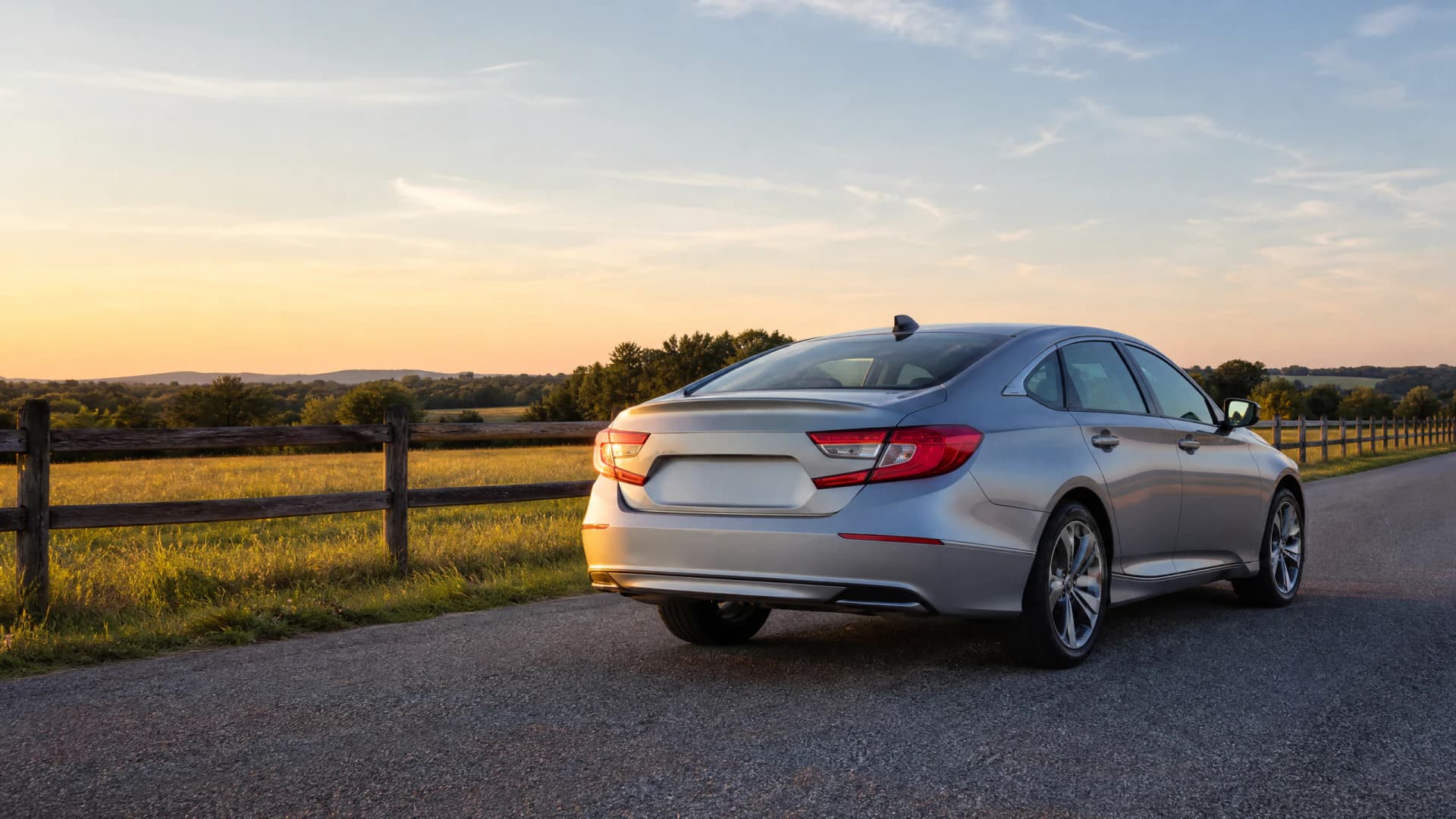
The calculation shifts based on vehicle replacement cost versus annual premium. If your 2015 Honda Accord is worth $12,000 and your annual comprehensive and collision premiums total $600, you're paying 5% of vehicle value annually for protection. That's reasonable if you don't have $12,000 in accessible savings to replace the vehicle after a crash or hailstorm. St. Paul's urban environment—with higher rates of vehicle theft and parking lot incidents—makes comprehensive coverage particularly valuable even on older vehicles.
Consider raising your deductible from $500 to $1,000 instead of dropping coverage entirely. This typically cuts collision and comprehensive premiums by 25–30%, reducing your monthly cost while maintaining protection against total loss. For a vehicle worth more than $8,000 that you rely on daily, maintaining full coverage with a higher deductible often makes more financial sense than carrying only liability and facing a $10,000 replacement bill you can't cover.
See What Drivers Over 65 Are Paying Now
See If You Qualify for Discounts
Medical Payments Coverage and Medicare Coordination
Minnesota is not a no-fault state, meaning you're not required to carry Personal Injury Protection (PIP). However, Medical Payments coverage—which pays your medical bills after an accident regardless of fault—becomes particularly important for senior drivers because Medicare has specific limitations on auto accident coverage. Medicare typically covers accident injuries only after your auto insurance medical payments are exhausted, making this coverage your first line of protection.
Medical Payments coverage in Minnesota typically costs $4–$8 per month for $5,000 limits, or $8–$12 monthly for $10,000 limits. This pays immediately for emergency room visits, ambulance transport, and follow-up care after an accident without waiting for fault determination or liability settlement. For seniors on Medicare with supplemental plans, this coverage fills the gap before Medicare secondary payer rules take effect.
Many St. Paul seniors drop Medical Payments assuming Medicare covers everything, then discover Medicare denies initial claims pending auto insurance primary coverage determination. Maintaining at least $5,000 in Medical Payments coverage ensures immediate payment for accident-related medical care and simplifies coordination with Medicare. The $50–$100 annual cost is modest protection against billing disputes and coverage gaps.

Comparing Quotes: What St. Paul Seniors Should Request
When shopping for coverage, request identical coverage limits from each insurer to ensure accurate comparison. Specify: bodily injury liability at 100/300 minimums (Minnesota's 30/60 legal minimum is inadequate for most senior drivers with assets to protect), property damage at $100,000, uninsured motorist matching your liability limits, and your current comprehensive and collision deductibles. Then ask each carrier to apply every senior discount you qualify for before providing the quote.
Explicitly mention: mature driver course completion with certificate number and completion date, annual mileage estimate with documentation, multi-policy discount if you have homeowners or renters insurance, and any professional association memberships (AARP, AAA, alumni groups) that qualify for affinity discounts. Many carriers offer 3–8% additional discounts for membership in organizations you already belong to but won't apply them unless specifically mentioned.
Request quotes from at least four carriers, including one direct-to-consumer insurer and one independent agent representing multiple companies. St. Paul seniors often find $400–$800 annual differences between carriers for identical coverage—differences that compound significantly over retirement years. The comparison process takes 2–3 hours total but can yield savings equivalent to a month's premium or more annually.
State-Specific Programs Minnesota Seniors Should Know
Minnesota's Department of Commerce maintains a list of approved mature driver courses and insurers' discount schedules at mn.gov/commerce/consumers/your-insurance. This resource lets you verify which courses your current insurer accepts before enrolling and confirms the exact discount percentage each carrier must offer.
The state also requires insurers to offer graduated driver improvement discounts if you complete a state-approved defensive driving course after a minor violation. For seniors who receive a citation for a low-speed incident or backing collision, completing an approved course can prevent the violation from affecting your premium—something many St. Paul drivers don't realize until their rate increases at renewal.
Minnesota doesn't mandate special license renewal procedures for older drivers—you renew every four years regardless of age. However, if you're concerned about maintaining your driving privilege long-term, completing mature driver courses every three years creates a documented record of proactive safety training that can support license retention if medical issues arise. This documentation has practical insurance benefits now and potential licensing benefits later.
Frequently Asked Questions
Does AARP membership automatically give me a car insurance discount in Minnesota?
No, AARP membership itself doesn't create an automatic discount with most carriers. However, completing the AARP Smart Driver course gives you the state-mandated 10% mature driver discount, and some insurers offer an additional 3–5% affinity discount for AARP members. You must request both discounts separately and provide documentation.
Will taking a mature driver course affect my license or create a DMV record in Minnesota?
No, completing an approved mature driver course for insurance discounts is entirely voluntary and creates no DMV record. The certificate goes only to your insurance company for discount purposes. It's separate from court-ordered driver improvement courses following violations.
Can I use a dashcam or telematics device if I'm only comfortable with mileage tracking?
Yes, some Minnesota insurers offer mileage-only tracking programs that don't monitor speed, braking, or trip timing—just total miles driven. Ask specifically for "mileage-based" rather than "usage-based" programs if you want distance tracking without behavior monitoring. Standard low-mileage discounts based on annual odometer readings require no device at all.
If I move from St. Paul to a Minnesota suburb, will my senior discounts transfer?
Yes, Minnesota's mandated mature driver discount applies statewide regardless of location. However, your base premium will change based on the new ZIP code's claims history and theft rates. Suburban moves often reduce base rates 10–20%, but you'll need to notify your insurer within 30 days to ensure accurate rating and continued discount application.
How does Minnesota determine if I'm at fault after an accident as a senior driver?
Minnesota uses standard negligence rules for all drivers regardless of age—fault is determined by who violated traffic laws or failed to exercise reasonable care. Age itself is not a fault factor. However, at-fault accidents affect senior drivers' rates more significantly than younger drivers' rates because insurers calculate age-adjusted risk multipliers. One at-fault claim can increase premiums 20–40% at renewal.
Related Articles

Convert Joint Auto Insurance After Spouse Dies | Wisconsin
4/29/2026

Oregon License Renewal at 85: Testing & Insurance Impact
4/29/2026

MO License Renewal at 75: Tests, Restrictions & Rates
4/29/2026
Surviving Spouse Auto Insurance in Colorado: Transfer Rules
4/29/2026

Car Insurance After 70: Lower Rates Despite Increases
4/1/2026
Spouse Died in Hawaii: Convert Joint Auto Policy
4/29/2026