Car Insurance When You Barely Drive Anymore
Driving less can lower what you pay, but only if you tell your insurer and ask for the right discount.
Free to compare
Yes, driving less can lower your premium
Insurers price a policy partly on how much you're expected to drive each year. If you've cut back, whether because you retired, stopped commuting, or just run fewer errands than you used to, that's information your insurer doesn't automatically have. You have to give it to them.
The amount it changes your rate depends on your insurer and on how far your mileage has actually dropped. Some insurers have a specific low-mileage discount. Others fold mileage into the usage-based programs they offer anyone. Call your insurer or check your policy documents to see which applies to you.
How you report your mileage matters
Most policies were priced using an estimate you gave when you bought the policy, or one the insurer assumed based on your zip code and vehicle. If that estimate is now far higher than what you actually drive, you're paying for miles you're not putting on the car.
Tell your insurer your current annual mileage. Some will ask you to estimate it. Others may ask you to verify it, through an odometer reading at renewal, a photo, or a telematics device that tracks it directly. Ask which method your insurer uses before you report a number, so you know what you might be asked to back it up with.
If your driving dropped suddenly, from retiring or from a health change, don't wait for your renewal to mention it. Many insurers will adjust your rate mid-term once they know, rather than making you wait months to see the change.
Keep in mind a lower mileage estimate only helps if your insurer has a discount or rate tier tied to it. Ask directly whether reporting fewer miles will actually lower your premium, rather than assuming it will.

A usage-based program may fit you better than a flat discount
Some insurers offer programs that track your actual driving, often through an app or a plug-in device, and price your policy on what you actually do behind the wheel rather than an estimate. For someone who drives rarely, this can work out better than a standard low-mileage discount, because the insurer sees the real pattern instead of a number on a form.
These programs sometimes also look at how you drive, not just how much, so ask whether the one your insurer offers is based purely on mileage or on driving behavior too. If it's behavior-based, a slower, more cautious driving style can work in your favor. If it's mileage-only, what matters is simply how little you're on the road.
Not every insurer offers one of these programs, and not every state allows every version of them. If yours doesn't, the standard low-mileage discount is still worth asking about.
Questions people ask about this
What counts as low mileage for car insurance?
There's no single number that applies across all insurers. Each one sets its own threshold for what qualifies as low mileage, so ask your insurer directly what their cutoff is rather than assuming a figure you've seen elsewhere applies to your policy.
Should I switch to a pay-per-mile policy instead?
It depends on how little you drive and whether one is offered in your state. Pay-per-mile policies charge based on actual miles driven, which can suit someone who drives rarely, but availability and pricing structures vary by insurer, so compare what one would actually cost you against your current policy before switching.
Will my insurer lower my rate automatically if I drive less?
No, you need to tell them. Insurers price your policy based on the mileage estimate on file, and that estimate doesn't update on its own just because your habits have changed.
Does canceling comprehensive or collision coverage make sense if I barely drive?
It depends on your car's value and how much risk you're comfortable carrying yourself. Driving less reduces the chance of a collision, but it doesn't reduce other risks like theft, weather damage, or a parked-car accident, so weigh your car's worth against what you'd pay to replace it before dropping coverage.
Can I insure a car I rarely drive for storage only?
Some insurers offer a reduced coverage option for a vehicle that's parked and not being driven, often called storage or comprehensive-only coverage. Ask your insurer whether they offer this and what it covers, since it typically excludes any protection for accidents while the car is in use.
See how much a lower mileage estimate could actually save you.
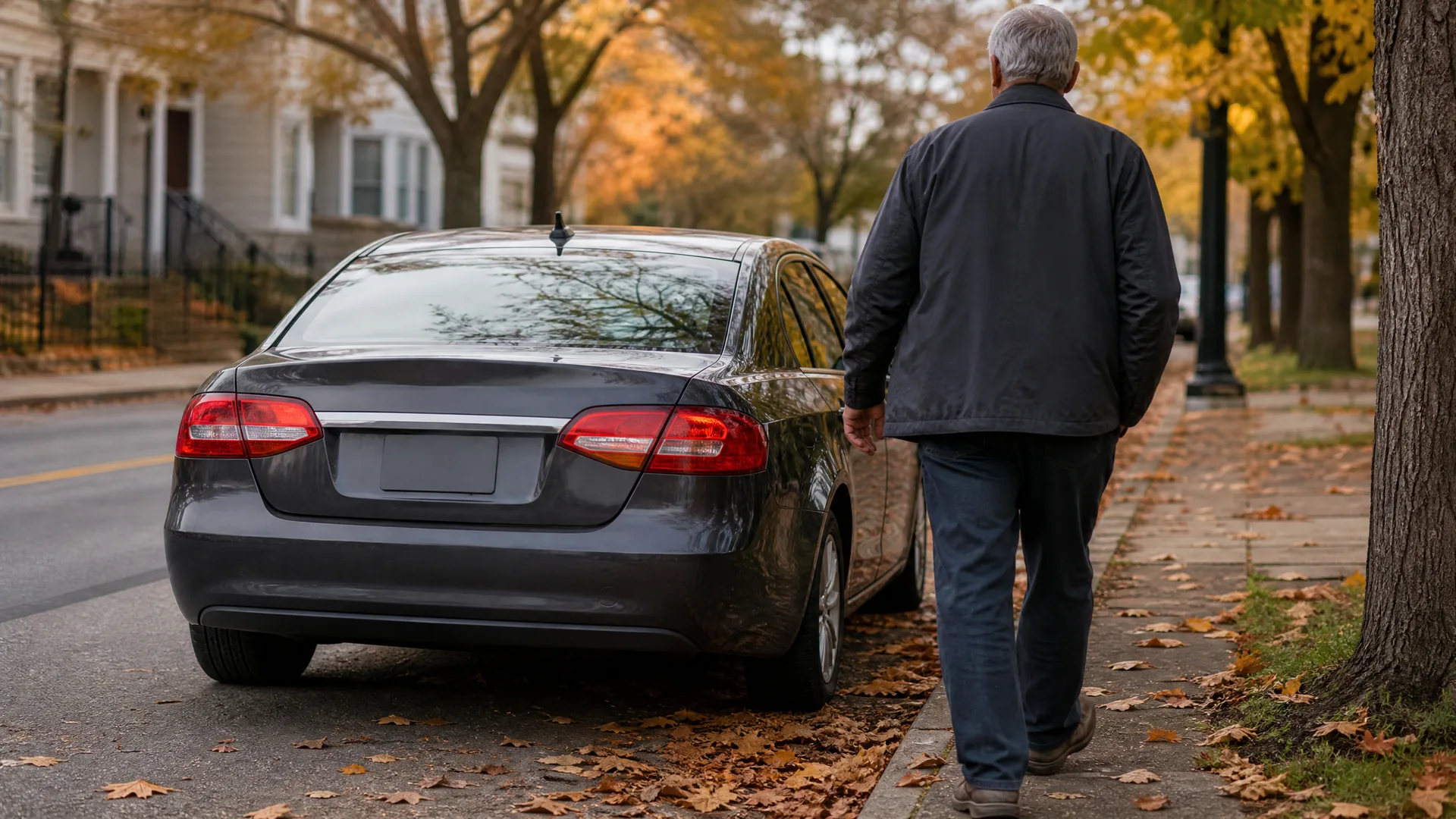
Pull up your last renewal notice and find the annual mileage estimate your insurer has on file. Compare it to what you've actually driven over the past year, using your odometer if you're not sure. Call your insurer and ask two things: whether they offer a low-mileage discount or usage-based program, and what you need to provide to qualify. If your driving has dropped significantly and you're still months from renewal, ask whether they'll adjust your rate now rather than later. Have your current odometer reading ready, since some insurers will ask for it on the spot.