
Driving Less in Retirement: Car Insurance Savings
Driving fewer miles can lower your premium, but only if you tell your insurer and your insurer asks about mileage at all.
Free to compare
Yes, but you have to report it
Your insurer doesn't know you're driving less unless you tell them. Mileage is one of the things insurers use to set your premium, and a policy written when you commuted every day is still priced for that commute until you call and update it.
Not every insurer weighs mileage the same way, and some ask for it only at renewal while others let you update it anytime. Call your insurer, tell them your new yearly mileage, and ask whether it changes your rate.

How your insurer tracks your mileage matters
Some insurers ask you to estimate your annual mileage once a year and take your word for it. Others want an odometer reading at renewal, and a few offer a device or an app that tracks your actual miles.
If your insurer just asks for an estimate, update it as soon as your driving drops, don't wait for renewal. If they want proof, keep a note of your odometer reading the day you retire or cut back, so you have a real number to give them later.
If your insurer offers a mileage tracking program, ask what it actually measures. Some only reward low mileage, and some also look at how and when you drive, which can work against you if you still drive at night or during busy hours.
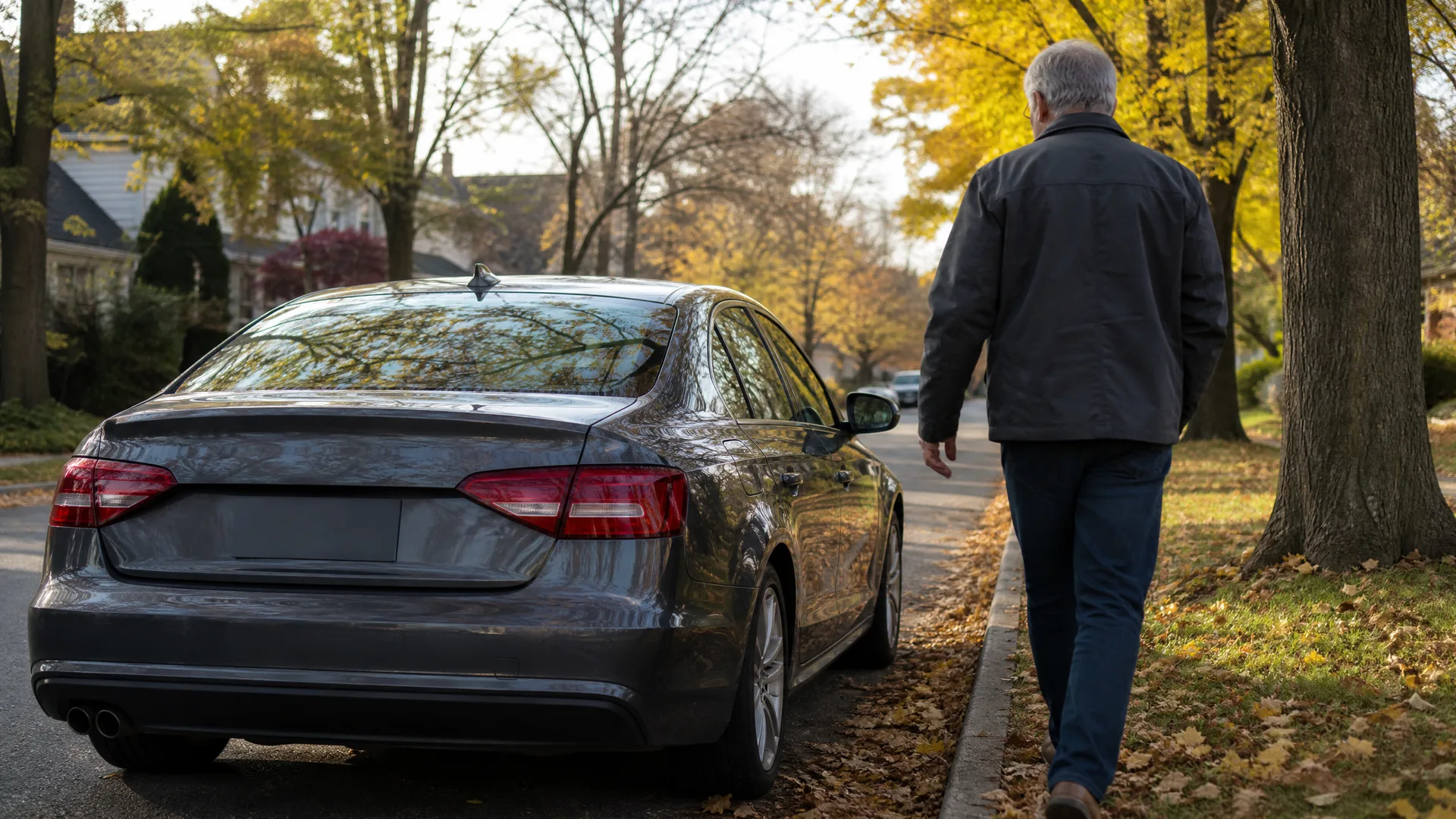
What your insurer assumes about low-mileage drivers
A lower premium for driving less assumes the insurer believes the drop is real and lasting, not a one-year dip. If you tell them your mileage fell because you retired, that's a reason they can file away and trust going forward, more than just a lower number with no explanation.
Mileage isn't the only thing that changed if you retired. You may also be driving at different times of day, on different roads, or less often to unfamiliar places, and some insurers ask about that too.
If you're the one calling on behalf of a parent, ask the insurer directly whether they need the mileage change in writing or if a phone update is enough. Some require it from the policyholder, not a family member.
Questions people ask about this
Does my car insurance go down automatically when I retire?
No, your insurer has no way to know you're driving less unless you tell them. Your premium stays based on whatever mileage and use you reported when you last set up or renewed the policy. Call your insurer and update your estimated annual mileage to see whether it changes anything.
What counts as low mileage for car insurance?
There's no single number, it depends on your insurer and sometimes your state. Ask your insurer what mileage range they consider low and whether crossing that line actually changes your premium or just gets logged.
Should I cancel my car insurance if I barely drive anymore?
If you still own and drive the car at all, you generally need to keep it insured to drive it legally. If you've stopped driving entirely, ask your insurer about a policy for a car that's parked and not driven, rather than canceling coverage outright, since a lapse in coverage can affect your rate later.
Does a low-mileage discount affect my coverage if I need to drive more later?
A mileage-based discount is usually tied to the mileage you report, not a cap on how much you're allowed to drive. If your driving increases again, tell your insurer so your policy reflects it, since driving more than you reported can be an issue if you file a claim.
Will switching to a low-mileage plan change what's covered if I'm in an accident?
A mileage program usually affects your premium, not the coverage itself, but this depends on the insurer and the specific program. Ask your insurer directly whether the plan changes anything about your coverage or just how the premium is calculated.
See how insurers price your mileage differently before you commit to one.

Find your most recent renewal notice or policy declarations page and look at the annual mileage listed on it. Compare that to what you actually expect to drive now that your routine has changed. Call your insurer, give them the updated number, and ask directly whether it lowers your premium or just gets noted on file. If they offer a mileage tracking program, ask what it measures before you agree to it. If you're doing this for a parent, ask whether the insurer needs the update from the policyholder directly or will accept it from you.