No More Commute and Your Car Insurance Rates
Dropping your commute can lower your premium, but only once your insurer knows your mileage has changed.
Free to compare
Yes, but only if you tell your insurer
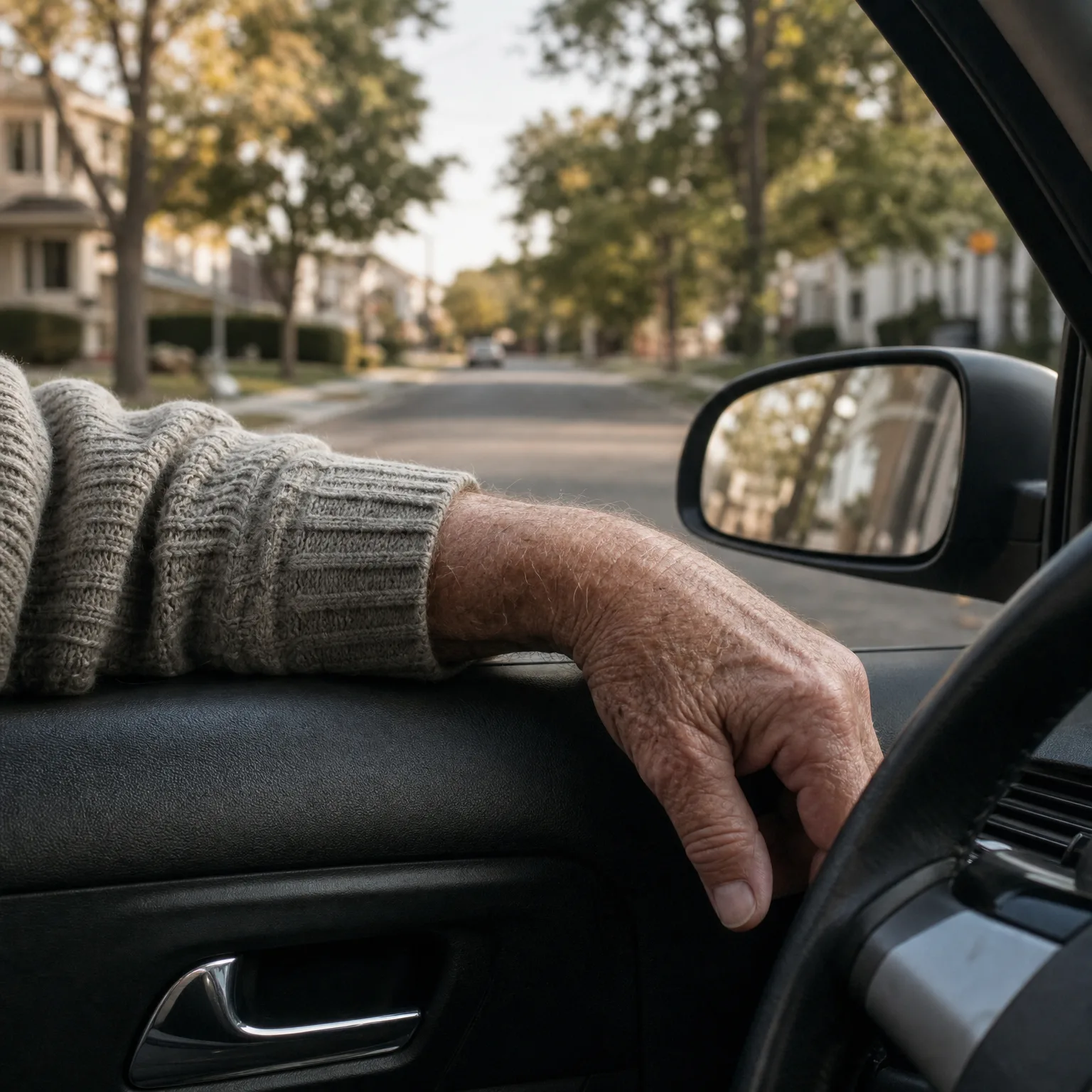
Car insurance is priced partly on how much you drive, and a commute is one of the biggest mileage habits an insurer counts. When that commute goes away, your actual risk of being in an accident goes down, because you're simply on the road less.
None of that matters to your premium until you report it. Insurers don't track your mileage on their own unless you're in a program that does that. Your policy still reflects the commute you told them about when you signed up or last renewed, until you call and correct it.

How you report the change matters
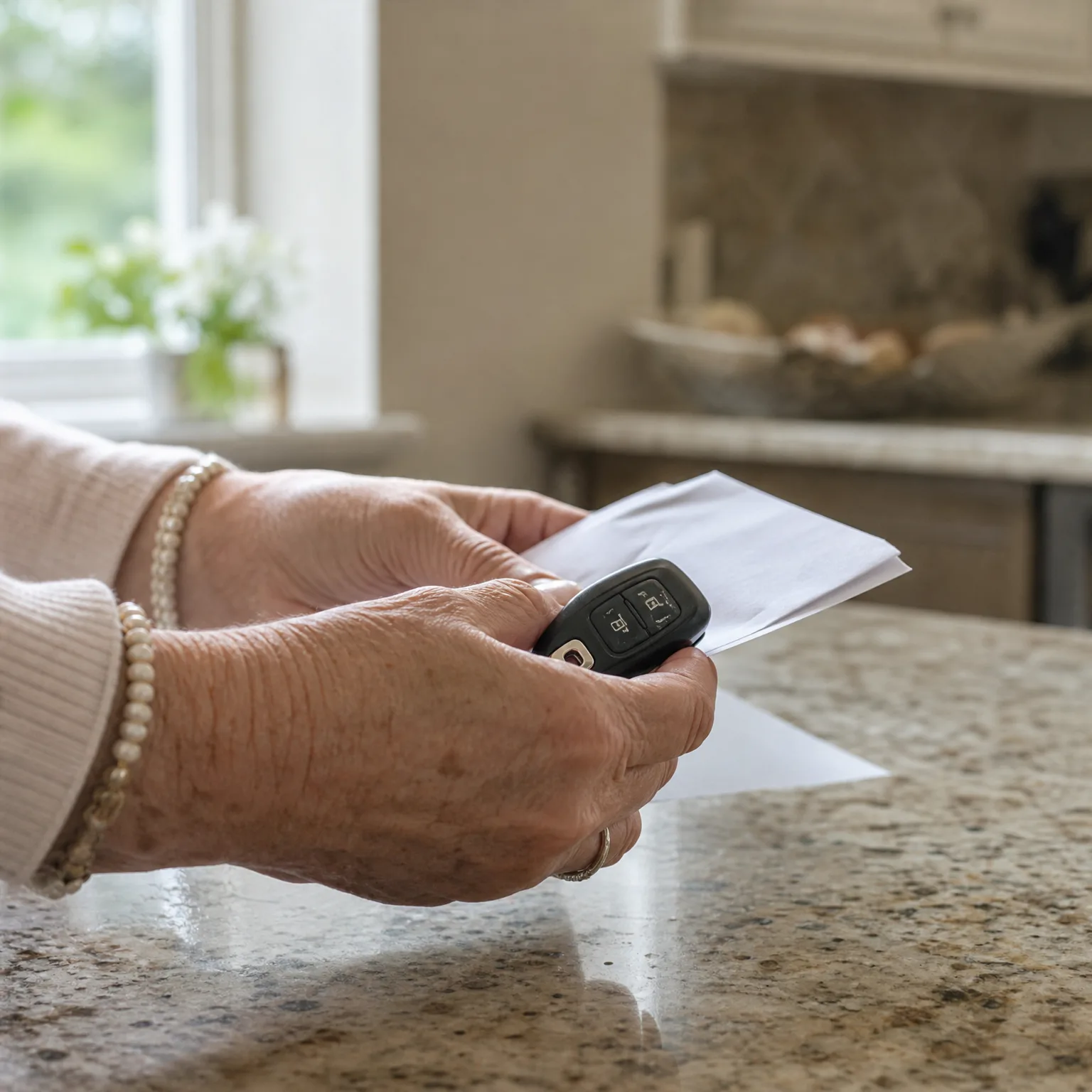
Call your insurer or agent and tell them your commute has ended. They'll ask how you expect to use the car now: errands and local driving, occasional longer trips, or something closer to parked most of the week. Answer as accurately as you can, because this is what replaces the old commute mileage in their records.
Some insurers have a specific low-mileage or retired-driver discount tied to this change. Others simply adjust your rate based on the new annual mileage estimate without naming it a discount. Either way, the adjustment only happens after you've had this conversation.
If your insurer offers a usage-based program that tracks actual miles driven, this is a good time to ask about it. A driver who no longer commutes is often a strong candidate for that kind of program, since the data will back up what you're telling them.
Keep in mind this change can go the other way too. If you end up driving more in retirement, running errands, visiting family, taking trips, tell them that as well. The goal is accuracy, not just a lower number.

What else changes alongside your mileage
Dropping a commute often means your car sits more and gets used differently, and that can affect more than the mileage line on your policy. If the car is now garaged at home all day instead of parked at a workplace lot, mention that too, since where a car sits when it's not being driven is also a rating factor.
This is also a natural point to review the rest of your policy, not just the commute. If you're considering combining to one car or driving less because you no longer need two vehicles for two commutes, that's worth asking about separately.
If you've recently retired, you may also be approaching other milestones that affect your policy, like a license renewal with new testing requirements in your state. It's worth asking your insurer at the same time whether they offer any discount tied to defensive driving courses, since many retired drivers complete one around now anyway.
Questions people ask about this
Does my insurance company automatically lower my rate when I retire?
No. Retiring by itself doesn't change anything on your policy unless you contact your insurer. The mileage and usage information they have on file stays the same until you update it.
What counts as low mileage for car insurance?
This is set by each insurer, not by a single industry standard. Ask your insurer directly what annual mileage range qualifies for a lower rate or a specific discount, since the threshold varies by company.
Will my insurance go up if I drive less and my car sits unused?
It's possible, depending on the insurer, since a car that sits unused for long periods can face its own risks like battery issues or damage that isn't caused by driving. Ask your insurer whether a car's parked status affects your rate either way.
Should I switch to a pay-per-mile policy after retirement?
That depends on how little you expect to drive and what your current insurer charges for low mileage. Get a quote for a pay-per-mile or usage-based option and compare it to what your current policy would cost once your new mileage is on file.
Does removing a car from my policy lower my rate more than reporting less mileage?
It can, if you genuinely no longer need a second vehicle, but the two changes are different. Removing a car eliminates coverage for it entirely, while reporting less mileage adjusts the rate on a car you're keeping. Ask your insurer to walk through both scenarios if you're deciding between them.
See what your new driving habits could mean for your rate.
Call your insurer this week and tell them your commute has ended, with a realistic estimate of how many miles you expect to drive in a typical week now. Ask whether that change triggers a lower rate, a specific discount, or a usage-based program you could join. Have your current policy details in hand so you can ask whether anything else, like where the car is parked, should also be updated. If you're also due for a license renewal soon, ask about that at the same time, since some states add requirements at certain ages that are worth knowing about before you renew. Once you have an updated quote from your current insurer, compare it against quotes from a couple of others to see whether your new driving pattern gets a better rate elsewhere.