Do Seniors Get a Discount for Not Commuting
Retiring and no longer commuting can lower your premium, but only if you tell your insurer and they offer a mileage-based discount.
Free to compare
It's a real discount, but you have to ask for it
Insurers don't automatically know you stopped commuting. The discount exists because low-mileage drivers file fewer claims, and many insurers price for that. But it isn't universal, and it isn't automatic.
You get it by telling your insurer your annual mileage has dropped and asking them to update your policy. Some companies call it a low-mileage discount, others fold it into usage-based programs that track actual miles driven. Either way, the only person who can start this is you.
How your insurer verifies mileage matters
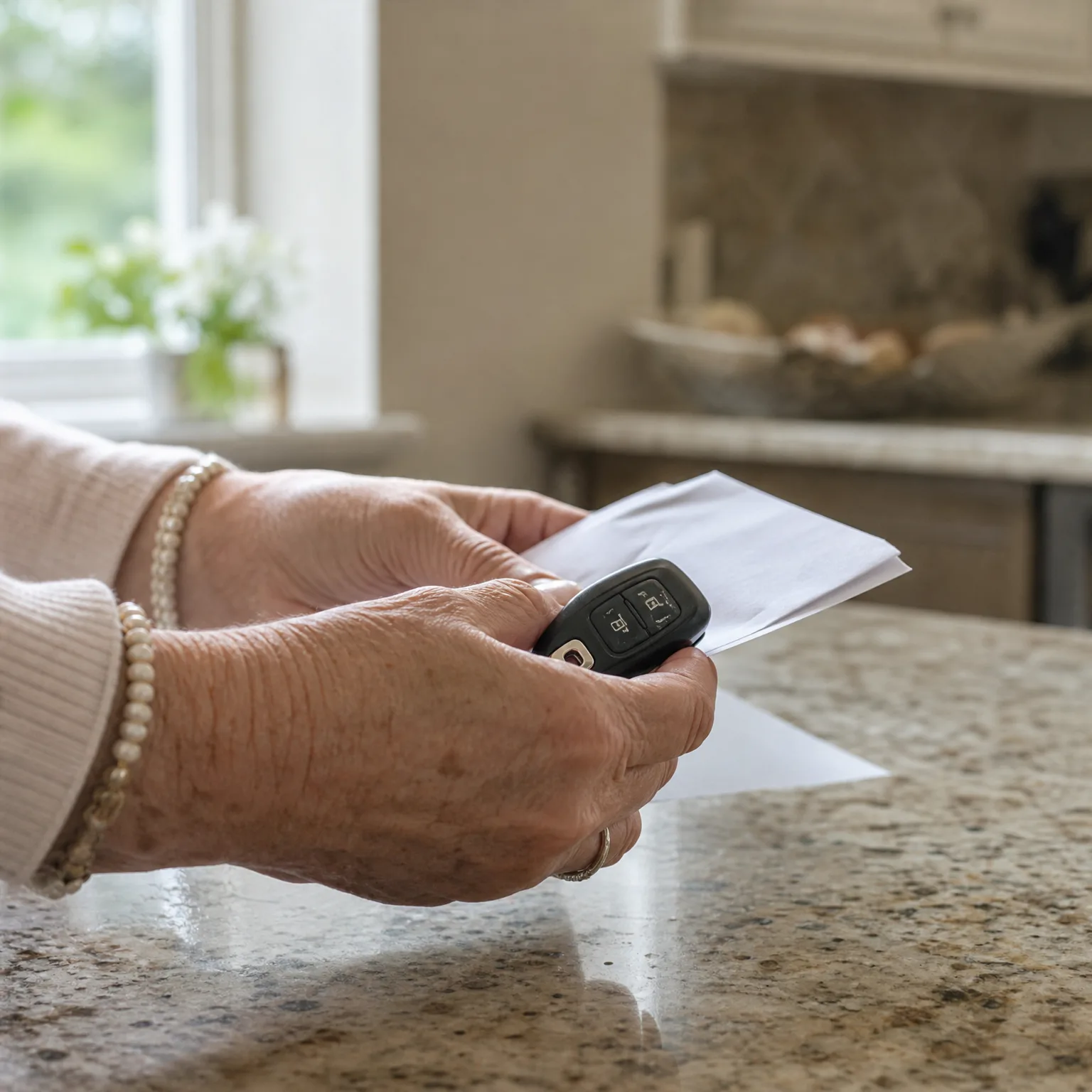
Some insurers simply ask you to estimate your yearly mileage and take your word for it, at least at first. Others want proof, like an odometer reading at renewal, a photo, or enrollment in a telematics program that tracks your driving through an app or a plug-in device.
If your insurer relies on self-reported estimates, updating your mileage after you stop commuting can be as simple as a phone call. If they use telematics, you may need to enroll in a program you weren't part of before, and the discount might phase in once the company has enough data to see you're driving less.
Either way, ask your insurer directly what they need from you. Some companies also check mileage at renewal by asking what you'd put on a registration or inspection form, so having a recent odometer number on hand helps.

Your state and your insurer set the actual terms
How much a mileage drop affects your rate, and whether there's a separate named discount for it at all, is set by each insurer and can vary by state. Some companies have a specific low-mileage discount. Others fold reduced driving into pay-per-mile or usage-based policies instead.
A common mistake is assuming the discount is automatic once you retire. If you don't contact your insurer, your policy keeps using whatever mileage estimate was on file when you last commuted, and you'll keep paying as if you still do.
The other thing people get wrong is assuming every insurer treats low mileage the same way. One company might offer a modest reduction for anyone under a certain mileage threshold. Another might require telematics enrollment to get any benefit at all. Ask your insurer what their specific program looks like before assuming the number you've seen advertised elsewhere applies to you.
Questions people ask about this
Will my car insurance automatically go down when I retire?
No, your insurer won't adjust your rate on its own. You need to contact them, report your new mileage, and ask them to update your policy. Until you do, your premium reflects your old driving habits.
Do I need to prove I'm not commuting anymore?
Some insurers take your word for it, others ask for an odometer reading or enrollment in a mileage-tracking program. What's required depends on the insurer, so ask what they need before you report the change.
Does a pay-per-mile policy make sense after I stop commuting?
It can for drivers whose mileage drops a lot, since you pay based on miles driven rather than a flat estimate. Whether it costs less than your current policy depends on how few miles you drive and what your insurer charges per mile, so it's worth comparing both ways.
Will switching to low mileage affect my other discounts?
It shouldn't cancel other discounts you already qualify for, like safe driver or multi-policy discounts, since those are usually based on separate criteria. But ask your insurer to confirm your full discount list after any change, since updating one part of a policy sometimes prompts a broader review.
What if I still drive a lot even though I don't commute?
Then a low-mileage discount may not apply, since it's based on total annual miles, not whether those miles are for commuting specifically. If you still drive frequently for errands, visits, or travel, ask your insurer what mileage threshold they use before assuming you qualify.
See whether insurers in your area price retirement and lower mileage differently.

Find your most recent odometer reading or check your car's current mileage this week. Call your insurer and tell them you've stopped commuting, then ask directly whether they offer a low-mileage or usage-based discount and what they need from you to apply it. If they require a tracking device or app, ask how long it takes before any discount shows up on your bill. While you're comparing, get quotes from a few other insurers too, since mileage discounts and how they're verified vary by company, and another insurer might offer a better rate for the same driving habits.