Low Mileage Discount After You Stop Commuting
The discount usually isn't automatic. You have to tell your insurer your driving has changed.
Free to compare
You need to ask for it
Insurers set your rate based partly on how many miles you told them you'd drive in a year. When you stop commuting, retire, or cut back on driving, that number drops, but your insurer doesn't know that unless you tell them.
Call your agent or insurer and ask them to update your estimated annual mileage. Some will ask how you arrived at the new number, so have a rough sense of your weekly driving ready. Not every insurer offers a separate low mileage discount by name, but most will adjust your premium once your mileage estimate goes down.

How your insurer tracks mileage matters
Some insurers ask for your odometer reading once a year, at renewal, or whenever you call to make a change. Others use a mileage estimate you gave them when you first bought the policy and never check it again unless you bring it up.
If your insurer only checks at renewal, you could be overpaying for months before the change shows up. Call as soon as your driving changes instead of waiting for the renewal notice.
A few insurers offer devices or apps that track actual mileage instead of relying on your estimate. If your insurer has one, ask whether switching to it would help, since it removes the guesswork for both of you.
If you're not sure how your insurer handles mileage, ask directly: do they check it automatically, or do you need to report changes yourself.
What you say matters as much as the number
Insurers don't just want a lower number. They want a realistic one, because they'll compare it against your old estimate and sometimes against your odometer reading.
Be ready to explain what changed. Stopped commuting, now working from home, retired, someone else drives the car most days. Any of these gives your insurer a reason to believe the new figure.
If you underestimate your mileage to get a bigger discount, you risk a problem later. Some policies reduce what they pay on a claim if your actual driving turns out to be well above what you reported. Give them a number you can stand behind.
If your mileage changes again later, because you pick up part time work or start driving a grandchild to school, call again. The discount works both ways.
Questions people ask about this
How does my insurer verify my mileage after I report it lower?
Some ask for an odometer photo or reading, usually at renewal or when you first report the change. Others take your word for it unless something else prompts a check, like a claim. Ask your insurer which method they use so you know what to expect.
Will my rate go up if I start driving more again later?
It can, if your new mileage estimate is high enough to change your rate tier. Report increases the same way you'd report a decrease, since driving more than your policy reflects can affect a claim later. Ask your insurer how often they expect updates.
Does a low mileage discount affect other parts of my policy?
Mileage mainly affects your premium, not your coverage limits or deductibles. It can factor into how your insurer prices renewal each year. Ask your insurer to show you the mileage figure on file so you can confirm it's current.
Can I get a lower rate just by driving less without telling my insurer?
No. Your rate is based on what you've reported, not on your actual habits, unless your policy includes a tracking device or app. If you don't update your estimate, you'll keep paying based on the old number.
Is a low mileage discount the same thing as a usage based insurance program?
No. A low mileage discount is based on a mileage estimate you report. Usage based programs track your actual driving, sometimes including speed or braking, through a device or app. Ask your insurer whether they offer one and how it differs from simply updating your mileage.
See what a lower mileage estimate could mean for your rate.
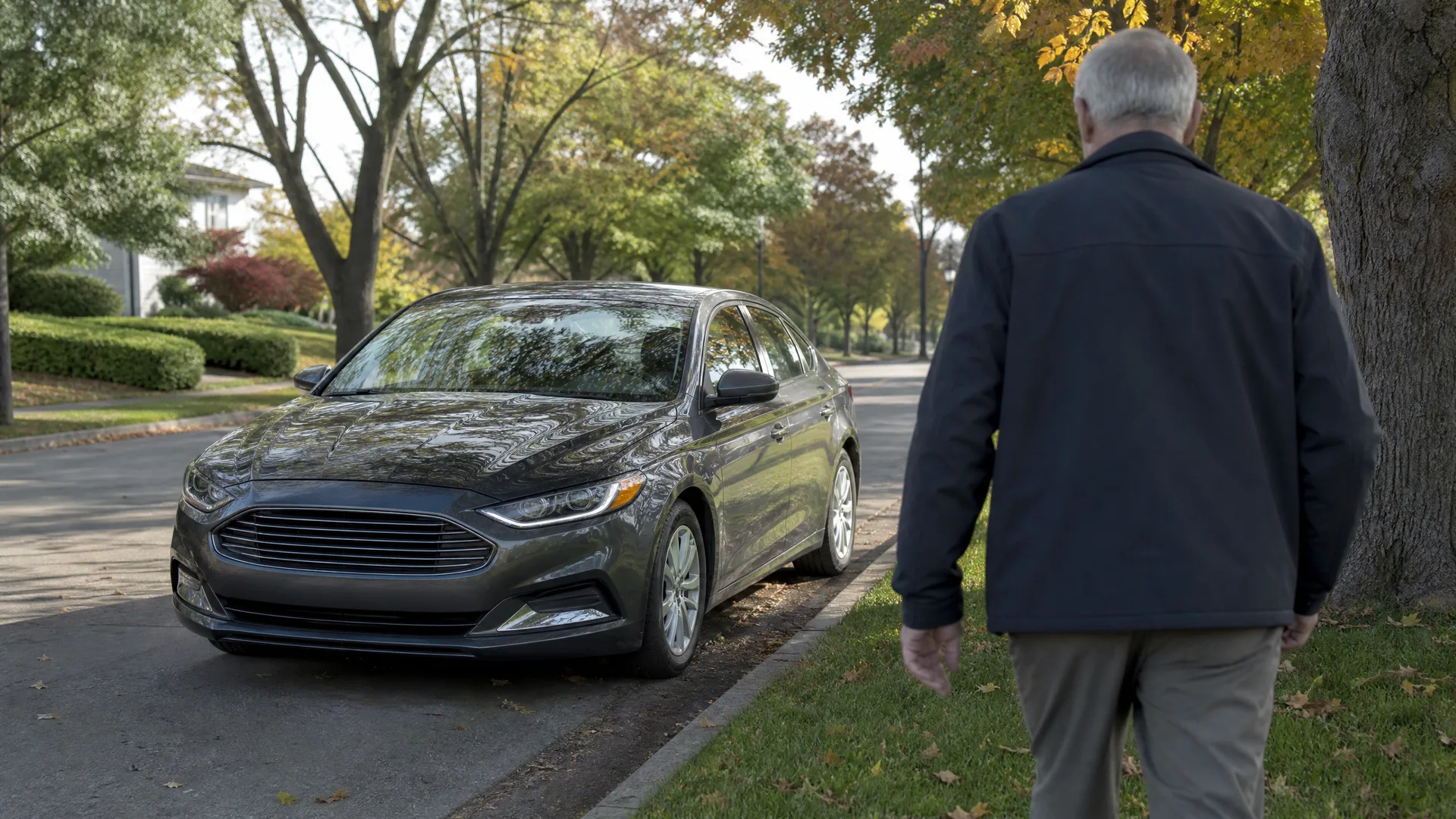
This week, check your last renewal notice or policy declarations page for the annual mileage listed there. Compare it to a realistic estimate of what you drive now that you're not commuting. Call your agent or insurer, tell them what changed, and ask them to update the figure. Ask at the same time whether they verify mileage with an odometer reading or a tracking device, so you know what to expect going forward. If the new number lowers your premium, ask them to confirm it in writing or send an updated declarations page.