
Cognitive Decline & Your License in California: What Happens Next
Free to compare
When a Diagnosis Reaches the DMV: California's Physician Reporting Process
California physicians are not required to report a cognitive decline diagnosis to the DMV, but they are legally permitted to do so under Vehicle Code Section 14600 if they believe a patient poses an imminent traffic safety risk. The key word is imminent—a dementia diagnosis alone doesn't meet that threshold, but declining executive function that affects judgment, reaction time, or spatial awareness can.
Most referrals happen after a family member contacts the physician expressing concern, or when a patient mentions a recent accident or near-miss during an appointment. The doctor files a confidential Driver Medical Evaluation (DME) form directly with the DMV Driver Safety office. You won't receive a copy of this form, and the physician is not required to tell you they filed it, though most do as a matter of professional courtesy.
Once the DMV receives a medical referral, they mail a Driver Medical Evaluation Request to your address within 10–15 business days. This letter requires you to have your physician complete a specific DMV medical form and return it within 30 days. Missing this deadline results in automatic license suspension. The DMV processes approximately 200,000 medical referrals annually statewide, with cognitive decline cases representing roughly 18–22% of that volume among drivers aged 70 and older.
What Triggers a License Restriction vs. Full Revocation
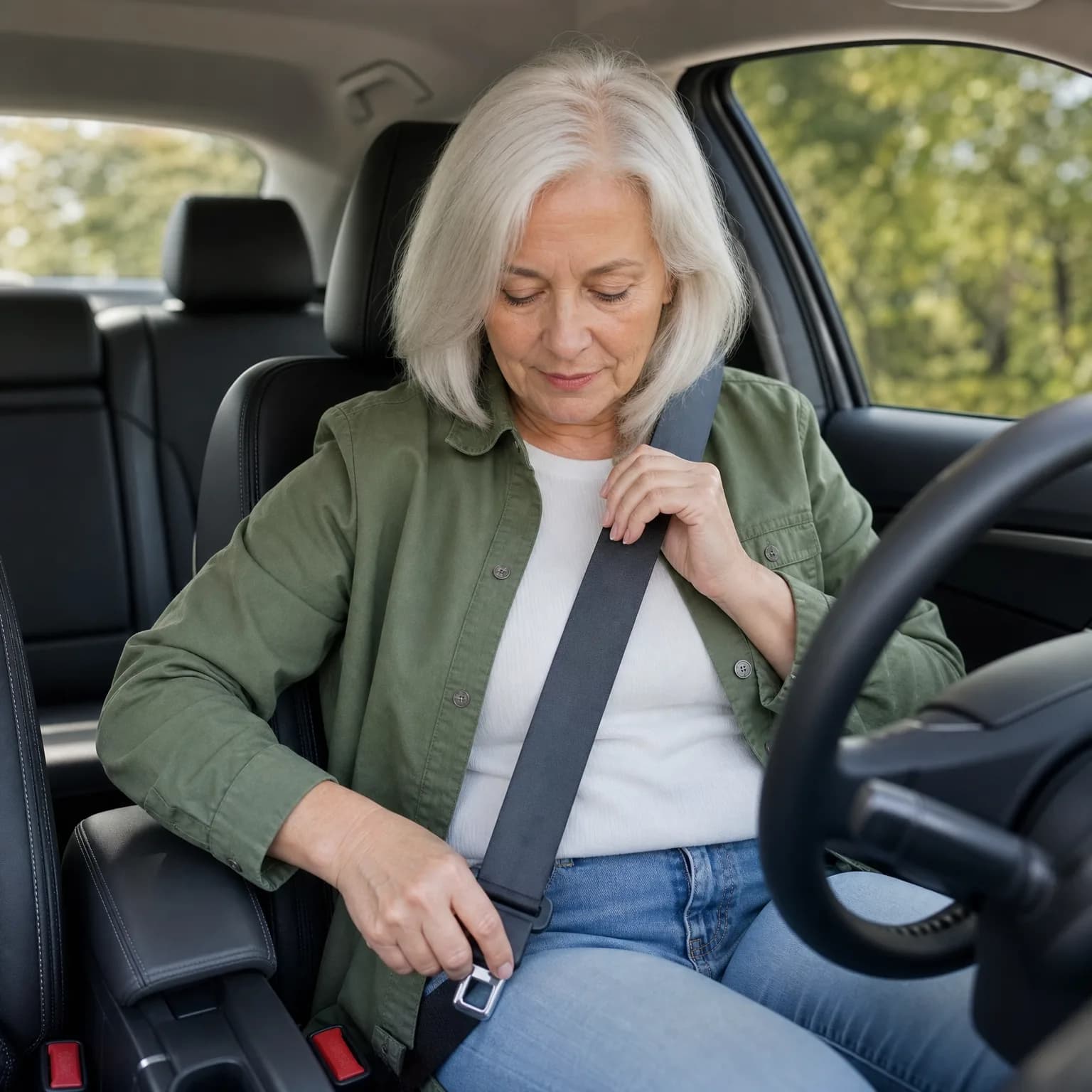
The DMV Driver Safety Branch reviews your physician's completed medical form and determines one of four outcomes: no action, reexamination requirement, restriction, or suspension. Restrictions are more common than outright revocation for early-stage cognitive decline.
Typical restrictions include daytime driving only (no driving after sunset), geographic radius limits (within 10 miles of home), prohibition on freeway driving, or speed-restricted routes only. These are encoded on your physical license with condition codes—Code 1 restricts you to daytime hours, Code 22 requires corrective lenses, and Code 62 indicates area restrictions. Your insurance company will see these codes if they run your driving record, which most do at every renewal.
Full suspension happens when your physician indicates you cannot safely operate a vehicle under any conditions, or when you fail the DMV's in-person reexamination. The reexamination includes a written knowledge test, a vision test, and a behind-the-wheel driving test administered by a DMV examiner. Approximately 40% of drivers aged 75+ who are referred for cognitive decline-related reexamination voluntarily surrender their license before completing the process.


How Auto Insurance Pricing Changes After License Restrictions
California law prohibits insurers from canceling your policy solely because of a medical diagnosis, but restrictions or suspension change your risk profile in ways that directly affect your premium. Carriers pull driving records at renewal, and restriction codes trigger underwriting review.
If you receive a daytime-only restriction, your insurer may reduce your premium slightly based on lower exposure hours, but this is rare. Most carriers view any DMV-imposed restriction as increased risk because it signals a documented medical impairment. Expect premium increases of 15–30% at your next renewal if restrictions appear on your record, even if you've had no accidents or violations.
Full suspension removes you as a rated driver, which can lower your household premium if another licensed driver in your home becomes the primary operator. If you're the only driver, you'll need to switch to parked vehicle coverage (comprehensive-only), which eliminates liability and collision. Comprehensive-only policies for a paid-off vehicle typically cost $30–$60/month in California, compared to $140–$200/month for full coverage. Under current state requirements, you must maintain continuous coverage even on a non-operational vehicle to avoid a coverage lapse, which creates a significant rate penalty if you later reinstate your license.
What Your Insurer Knows and When They Know It
Your auto insurance carrier does not receive automatic notification when the DMV opens a medical investigation. They learn about license changes only when they pull your motor vehicle record, which typically happens at renewal but can occur mid-term if you file a claim or request a policy change.
This creates a 60–90 day information gap. The DMV mails you the medical evaluation request, you return the physician's form, the DMV makes a determination, and the restriction or suspension is posted to your driving record—all before your insurer's next scheduled record check. Many seniors receive a renewal notice with a rate increase and don't understand the connection until they request an explanation and the carrier references the restriction code.
If you voluntarily surrender your license, you must notify your insurer immediately. Driving without a valid license voids your coverage, meaning your carrier will deny any claim and may retroactively cancel your policy. If another household member will become the primary driver, contact your insurer before surrender to restructure the policy with that person as the named insured. Waiting until after you've already given up your license complicates the underwriting process and often results in a coverage gap.

See What Drivers Over 65 Are Paying Now
See If You Qualify for Discounts
Medicare, MedPay, and Collision Coverage After a Diagnosis
Medical Payments coverage on your auto policy pays for accident-related injuries regardless of fault, but it coordinates with Medicare as secondary coverage. If you're 65 or older and enrolled in Medicare Part B, Medicare pays first for accident injuries, and MedPay covers your Part B deductible and coinsurance up to your policy limit.
Many seniors drop MedPay after enrolling in Medicare, assuming it's redundant. It's not. Medicare Part B carries a $240 annual deductible and 20% coinsurance with no out-of-pocket maximum. A moderate injury requiring $10,000 in treatment leaves you with $2,240 in cost-sharing. MedPay coverage of $5,000–$10,000 costs $40–$80 annually in California and eliminates that exposure entirely.
If you're transitioning to parked vehicle status due to license suspension, you'll lose liability and collision but can retain comprehensive. You cannot keep MedPay on a comprehensive-only policy because MedPay only applies to vehicles in operation. If you're still driving under restrictions, keeping MedPay makes sense. If you're no longer driving at all, your exposure is as a passenger or pedestrian, which Medicare covers directly.

How Adult Children Can Help Navigate the Insurance Transition
If you're an adult child helping a parent through this process, the most useful action you can take is to call the insurance carrier as soon as the DMV sends the medical evaluation request—not after the restriction or suspension is finalized. Most carriers allow you to be added as an authorized contact on the policy with your parent's verbal consent during the call.
Ask the carrier three specific questions: (1) what happens to the premium if a restriction is added, (2) whether the policy can be restructured with you or another household member as primary driver before the restriction posts, and (3) what documentation they need to process a parked vehicle conversion if suspension is likely. Getting answers before the DMV makes a determination gives you time to compare options if the rate increase is unmanageable.
If your parent will no longer drive but wants to retain the vehicle for occasional passenger trips or future licensed household use, comprehensive-only coverage keeps the vehicle insured against theft, vandalism, and weather damage. If the vehicle will genuinely sit unused, consider selling it and canceling the policy entirely. Keeping a non-operational vehicle insured for sentimental reasons costs $360–$720 annually with no functional benefit.
Reinstatement After Medical Clearance: What It Takes
If your condition stabilizes or you receive treatment that restores safe driving ability, you can petition the DMV for license reinstatement. Your physician must complete a new Driver Medical Evaluation form stating you are medically cleared to drive without restrictions. The DMV will require a full reexamination—written, vision, and behind-the-wheel.
Reinstatement is not automatic even with medical clearance. You must pass all three reexamination components. The behind-the-wheel test for reinstatement after a medical suspension is more stringent than a standard renewal test and includes freeway merging, complex intersections, and multi-step maneuvers designed to assess executive function and reaction time.
Once reinstated, notify your insurer immediately. Your premium will reflect the suspension as a coverage gap unless you maintained continuous parked vehicle coverage during the suspension period. Gaps of more than 30 days typically result in rate increases of 20–40% in California, applied for the next three years. If you kept comprehensive-only coverage during suspension, reinstatement is treated as a policy modification rather than new coverage, and your rates return to standard pricing adjusted for current age and driving record.
Frequently Asked Questions
Does my car insurance company find out about a dementia diagnosis?
Your insurer does not receive medical diagnosis information directly. They learn about license restrictions or suspensions only when they pull your DMV driving record, which typically happens at renewal. California law prohibits insurers from canceling your policy based solely on a medical diagnosis, but license changes affect your premium.
Can I keep car insurance if my license is suspended for medical reasons?
Yes, but you must convert to comprehensive-only coverage if you're no longer legally allowed to drive. This covers the parked vehicle against theft and damage but removes liability and collision. If another licensed household member will drive the vehicle, they can be named as the primary driver and maintain full coverage.
How much does car insurance go up after a DMV medical restriction in California?
Premiums typically increase 15–30% at renewal after a restriction code appears on your driving record, even with no accidents or violations. The increase reflects the insurer's assessment of documented medical impairment as elevated risk.
Will my doctor tell me if they report me to the DMV?
Physicians are not required to notify you when they file a Driver Medical Evaluation with the DMV, though most do as a professional courtesy. You'll receive official notification directly from the DMV within 10–15 business days after the referral is filed, requesting medical documentation.
What happens to my premium if I voluntarily give up my license before the DMV suspends it?
Voluntary surrender before DMV action avoids a suspension on your record, but you must notify your insurer immediately and convert to comprehensive-only coverage or remove yourself as a rated driver. Failing to notify your carrier and continuing to pay for full coverage on a vehicle you cannot legally drive wastes money and creates potential fraud issues if you file a claim.
Related Articles

Florida Cognitive Decline Medical Referrals & Your License
4/29/2026

Cognitive Decline & DC License: Medical Referral Guide
4/29/2026

Cognitive Decline and WV License: DMV Process Explained
4/29/2026

Cognitive Decline Diagnosis in Oregon: License Restrictions
4/29/2026

Colorado License Restrictions & Insurance for Seniors
4/29/2026
VA License Restrictions After Cognitive Decline Diagnosis
4/29/2026