
Kentucky Cognitive Decline Diagnosis: License Impact & Insurance
Free to compare
What happens when your doctor diagnoses cognitive decline in Kentucky
Your physician is not legally required to report a cognitive decline diagnosis to Kentucky's Transportation Cabinet. Kentucky law gives doctors discretion — they must report only if they determine you pose an immediate safety risk to yourself or others on the road.
This means a dementia or mild cognitive impairment diagnosis does not automatically trigger a license review. Your doctor weighs clinical findings against your actual driving ability, considering factors like whether you drive only familiar routes in daylight, your accident history, and whether family members have raised safety concerns.
If your doctor does file a medical referral, the Transportation Cabinet's Driver Licensing Medical Review Board evaluates your case. You'll receive written notice and can submit additional medical documentation or request a driver evaluation before any restriction is applied. The review timeline typically runs 30 to 60 days from the initial referral.
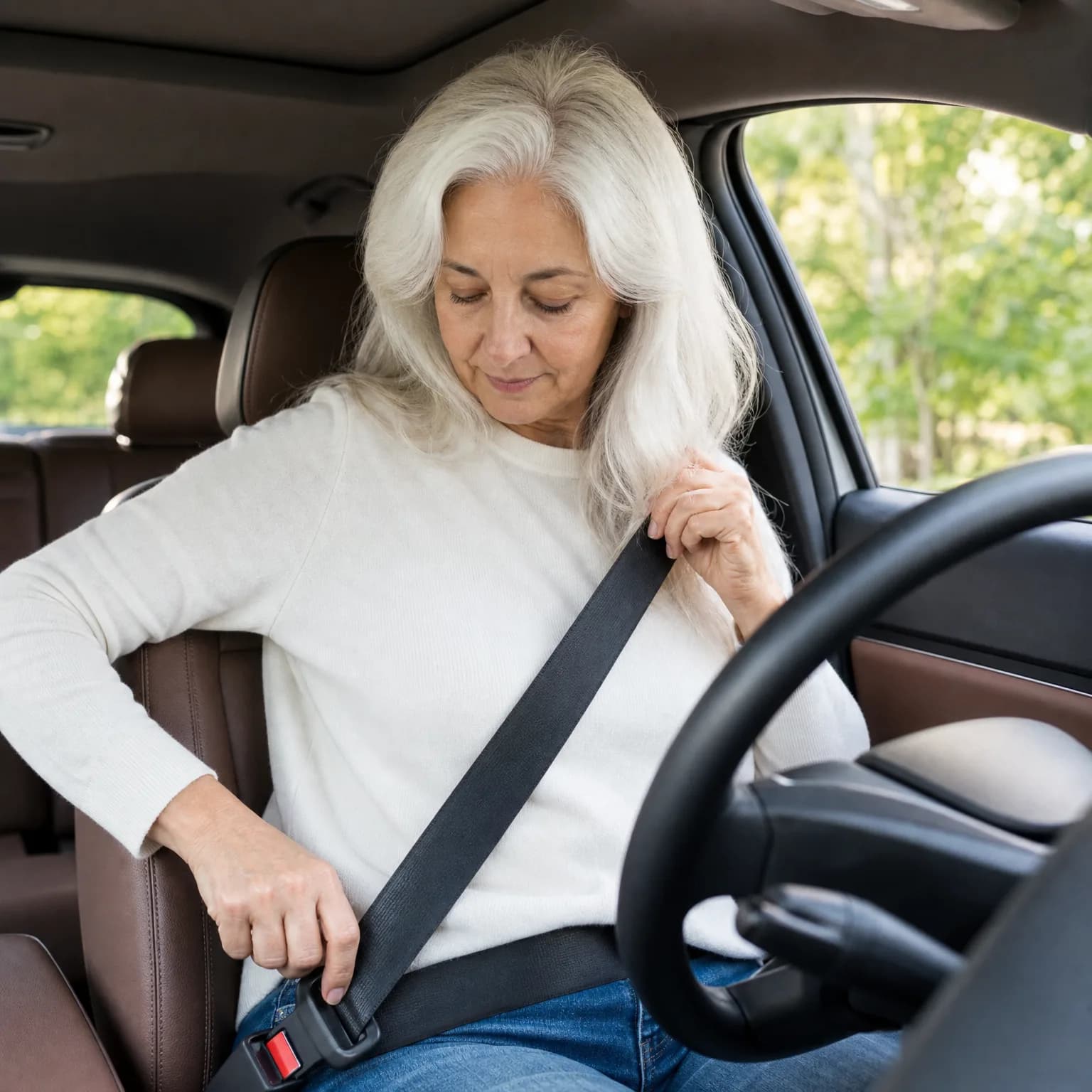
How Kentucky's medical review board decides license restrictions
The Driver Licensing Medical Review Board reviews medical referrals from physicians, law enforcement reports involving potentially impaired drivers, and family member submissions. The board includes licensed physicians who evaluate whether your medical condition affects your ability to operate a vehicle safely.
The board can impose several restriction levels: daylight-only driving, geographic radius limits (for example, within 10 miles of home), prohibition of interstate or high-speed road use, or requirement for an annual medical re-evaluation. Complete license suspension is reserved for cases where no restriction level adequately addresses the safety risk.
You have the right to appeal any restriction through Kentucky's administrative hearing process. Many senior drivers successfully demonstrate continued safe driving ability through certified driving rehabilitation specialist evaluations, which cost $300 to $500 but provide clinical evidence the review board considers authoritative.


What your auto insurance carrier sees and how they respond
Kentucky law requires the Transportation Cabinet to notify your insurance carrier within 10 business days of any license restriction or suspension. Your carrier receives official notice of the specific restriction type — daylight only, mileage radius, road type limitations, or medical re-evaluation requirements.
Carriers respond differently to different restriction types. Daylight-only restrictions typically generate premium increases of 15% to 25% at your next renewal, as insurers price the restriction as a risk signal even though you remain legally licensed. Geographic radius restrictions often trigger smaller increases of 8% to 15%. Annual medical re-evaluation requirements may not affect your current premium but create renewal uncertainty.
Some carriers issue non-renewal notices for any medical restriction, exercising their right not to renew your policy at term end. You receive 60 days' notice under Kentucky law. Non-renewal is not cancellation — your current policy remains in force through its term, but you must secure new coverage before expiration. Comparison shopping immediately after receiving a non-renewal notice gives you the full 60-day window to find competitive rates.
The insurance impact if you voluntarily reduce or stop driving
If you and your doctor agree to reduce driving without a formal license restriction, your insurance carrier has no official notification. You can request low-mileage discount programs, which typically require annual mileage under 7,500 miles and reduce premiums 5% to 15%.
Most carriers offer pleasure-use classifications for drivers who no longer commute. You'll certify that the vehicle is used only for errands, medical appointments, and personal activities — not daily work commutes. This reclassification reduces premiums 10% to 20% compared to commuter rates and accurately reflects your reduced road exposure.
If you stop driving entirely but want to maintain the vehicle for a spouse or family member, you can be listed as an excluded driver. This removes you from coverage entirely, eliminating your premium impact. The vehicle remains insured for listed drivers, preserving continuous coverage history.

See What Drivers Over 65 Are Paying Now
See If You Qualify for Discounts
How license restrictions affect coverage requirements and liability exposure
Kentucky's minimum liability requirements remain unchanged regardless of license restrictions: $25,000 per person and $50,000 per accident for bodily injury, plus $25,000 for property damage. However, a violation of your license restriction — such as driving at night with a daylight-only restriction — can void coverage for that incident.
If you cause an accident while violating a license restriction, your carrier can deny the claim entirely under the policy exclusion for unlicensed operation. You become personally liable for all damages, medical expenses, and legal fees. This liability exposure is why many senior drivers with restrictions increase liability coverage to $100,000/$300,000 or add a personal umbrella policy.
Medical payments coverage and personal injury protection become more important as you age, as Medicare covers accident-related injuries but your auto policy covers immediate expenses like ambulance transport and emergency room copays. Medical payments coverage of $5,000 to $10,000 costs $8 to $15 per month and pays immediately without Medicare coordination delays.

What happens to your coverage if you surrender your license
Voluntarily surrendering your Kentucky driver's license eliminates your ability to be a rated driver on any auto policy. If you own a vehicle that a spouse or family member will continue driving, the policy must be restructured with that person as the primary rated driver and you as a named insured or excluded party.
Some carriers require the primary driver to also be the registered owner. If the vehicle remains titled in your name but your spouse becomes the primary driver, you may need to retitle the vehicle or switch to a carrier that allows owner and primary driver to differ. This administrative requirement varies by carrier and can affect premium significantly — shop this scenario before restructuring.
If you no longer own a vehicle but want to maintain insurance coverage for occasional rental car use or when borrowing a family member's vehicle, named non-owner liability policies cost $25 to $45 per month in Kentucky. These policies provide your state-required liability minimums and preserve your continuous coverage history, which matters if you later resume driving or relocate to a household with vehicles.
How to compare coverage options when your situation changes
License restrictions and medical referrals create immediate carrier pricing divergence. Some carriers specialize in senior drivers with medical restrictions and price these policies 20% to 30% lower than standard carriers who view any restriction as automatic high risk.
When comparing options, request quotes that reflect your exact restriction type and current mileage. Provide accurate information — misrepresenting your license status constitutes material misrepresentation and allows the carrier to void coverage retroactively if discovered during a claim. Ask each quoted carrier explicitly whether they have non-renewal triggers for medical restrictions.
Under current Kentucky regulations, you can compare rates and switch carriers at any point in your policy term. You're not locked in until renewal. If your current carrier non-renews or increases your premium substantially due to a new restriction, secure replacement coverage immediately rather than waiting for your renewal date.
Frequently Asked Questions
Does my car insurance company find out about a cognitive decline diagnosis in Kentucky?
Your insurance carrier is notified only if Kentucky's Transportation Cabinet places a formal restriction on your license following a medical review. A diagnosis alone does not trigger notification — only official license actions reported by the state within 10 business days of the restriction.
Can I keep my car insurance if I have a daylight-only driving restriction in Kentucky?
Yes, you can maintain insurance with a daylight-only restriction, but expect premium increases of 15% to 25% at renewal and potential non-renewal from some carriers. Compare rates immediately after receiving the restriction notice, as specialized carriers price restricted licenses more competitively than standard insurers.
What happens to my insurance if I voluntarily stop driving but keep my car?
If you stop driving but keep the vehicle for a spouse or family member, you can be listed as an excluded driver to eliminate your premium impact while maintaining coverage for other household drivers. The vehicle remains insured and your household preserves continuous coverage history.
Will my insurance cover an accident if I violate my license restriction?
No, driving in violation of your license restriction — such as nighttime driving with a daylight-only restriction — allows your carrier to deny the claim under unlicensed operation exclusions. You become personally liable for all damages, medical costs, and legal fees from that accident.
How much does non-owner car insurance cost in Kentucky for seniors who no longer own a vehicle?
Named non-owner liability policies cost $25 to $45 per month in Kentucky and provide state minimum liability coverage when you borrow vehicles or rent cars. These policies maintain continuous coverage history and matter if you later resume vehicle ownership or move to a household with insured vehicles.
Related Articles

Cognitive Decline Diagnosis in Kansas: License Impact
4/29/2026

AR Cognitive Decline: License Restrictions & Insurance
4/29/2026

Kentucky License Renewal After Stroke: Senior Driver Guide
4/29/2026

Georgia Cognitive Decline Diagnosis: DMV Reports & Insurance
4/29/2026

Cognitive Decline Diagnosis in Hawaii: License & Policy Impact
4/29/2026

Cognitive Decline & Your Texas License: What Happens
4/29/2026