
Cognitive Decline Diagnosis and Your SD Auto Policy: What Happens
Free to compare
How South Dakota's Physician Reporting System Works for Cognitive Decline
South Dakota law allows—but does not require—physicians to report drivers with cognitive impairments to the Department of Public Safety. Most senior drivers learn about this reporting pathway only after their doctor has already filed a medical concern form, which triggers a Driver Improvement Program review within 10–15 business days.
The state does not notify your insurance carrier directly, but the restriction codes applied to your license during this review period appear on your motor vehicle record immediately. Most carriers pull MVRs at renewal, and some pull them quarterly for drivers over 70. A restriction code related to medical review can prompt a rate adjustment or coverage question before you receive any formal decision from the state.
Under current South Dakota requirements, the Driver Improvement Program can issue several outcomes: no restriction, daylight-only driving, radius limitation (typically 10–25 miles from home), or full suspension pending re-examination. The specific restriction determines how your insurer responds.
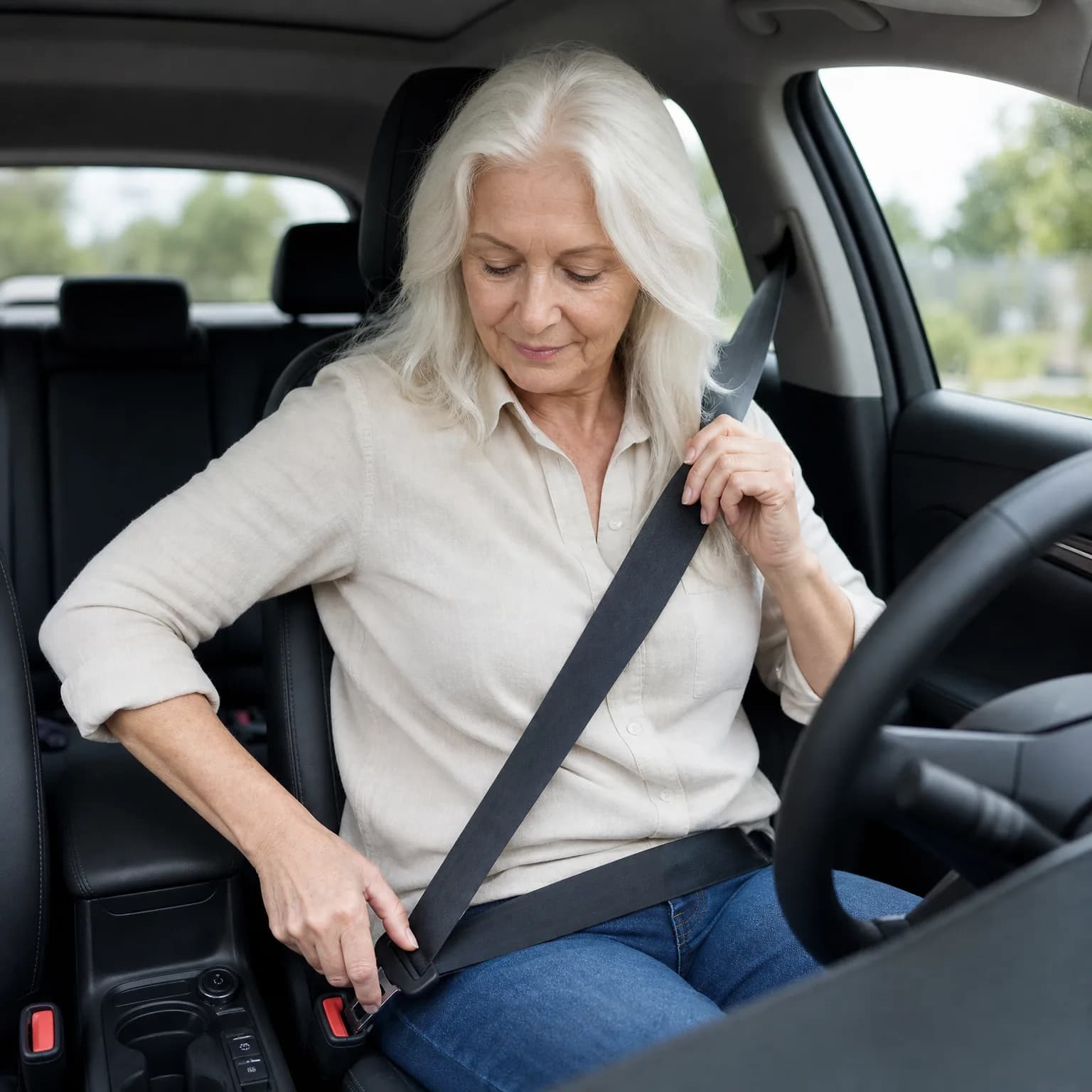
What Triggers a Medical Referral in South Dakota
Physician reports typically follow specific incidents: a patient mentions getting lost on familiar routes, family members express concern during an appointment, or the doctor observes notable memory decline during routine visits. South Dakota does not maintain a checklist, but referrals most commonly occur after a driver has had a minor accident combined with observable cognitive symptoms.
Law enforcement can also initiate a medical review after a traffic stop if an officer documents confusion, disorientation, or repeated difficulty following instructions unrelated to intoxication. These field reports go directly to the Driver Improvement Program and carry the same weight as physician referrals.
The state does not require a formal dementia diagnosis for a referral to proceed. A physician's reasonable concern about driving safety is sufficient to trigger the review process, which means you can enter this system before any neurologist has confirmed a cognitive decline diagnosis.


License Restriction Types and How Carriers Respond
Daylight-only restrictions typically produce the smallest insurance impact. Most carriers treat this similarly to a mature driver who voluntarily reduces night driving, though you lose eligibility for some low-mileage discounts if your restricted radius is documented on your MVR. Rate increases in this category average 8–15% at the next renewal.
Radius restrictions—where the state limits driving to a specific distance from your registered address—create larger complications. Carriers assess these individually, and some will non-renew policies for drivers restricted to under 15 miles if the insured previously carried a standard commute profile. If you no longer drive to medical appointments outside your radius, expect your insurer to ask whether another household driver will be added or whether the vehicle will remain garaged.
Full license suspension ends your standard auto policy immediately. South Dakota does not require you to surrender plates for a medically suspended license, but you cannot maintain liability coverage without a valid license unless another licensed household member becomes the primary driver. If you own your vehicle outright and plan to keep it registered for occasional use by family members, you'll need a named driver policy or laid-up coverage.
How Insurers Learn About Medical Reviews Before You Do
South Dakota processes medical referrals faster than most drivers expect. The Driver Improvement Program logs the referral within 48 hours of receipt, and that log creates an entry on your motor vehicle record visible to insurers as a pending review status. Your carrier does not receive details about the underlying condition, but the pending status itself often triggers an underwriting inquiry.
If your policy renews during an active medical review, most carriers will issue the renewal with a standard rate but include a conditional notice: coverage continues unless the state imposes a restriction that materially changes your risk profile. That notice gives the carrier the contractual ability to adjust your rate mid-term if a restriction is applied within 60 days of renewal.
Some insurers—particularly those with quarterly MVR monitoring for senior drivers—will contact you directly when a pending medical review appears, asking you to clarify your current driving status and whether you expect restrictions. How you answer this question affects whether the carrier begins the non-renewal process or waits for the state's decision.

See What Drivers Over 65 Are Paying Now
See If You Qualify for Discounts
Coverage Adjustments That Make Sense After a Restriction
If you receive a radius or daylight restriction and plan to continue driving within those limits, collision and comprehensive coverage remain relevant. A 10-mile radius still includes parking lots, intersections, and weather events—comprehensive claims for hail, theft, and animal strikes are unrelated to your driving range.
Dropping collision makes sense only if your vehicle is older than 10 years and valued under $4,000. The restriction itself does not eliminate collision risk; it typically reduces your annual mileage, which should lower your rate if your carrier offers mileage-based pricing. Request a mileage adjustment before dropping collision—many senior drivers remove the wrong coverage first.
Medical payments coverage becomes more valuable after a cognitive decline diagnosis, not less. Medicare covers treatment after an accident, but it does not cover the $500–$1,500 in immediate costs most senior drivers face in the first 24 hours after a collision: ambulance transport, emergency room co-pays, and prescriptions issued before Medicare processes the claim. Medical payments coverage pays these without a deductible.

What Happens If Your License Is Fully Suspended
South Dakota requires continuous liability coverage to maintain vehicle registration, but a suspended license creates a gap: you cannot legally drive, but you still own a registered vehicle. If another licensed household member can be named as the primary driver, your policy continues with that person rated as the principal operator.
If no other household member drives, you have two options. You can cancel your policy and surrender your plates to avoid the registration requirement, or you can request laid-up coverage—a minimal policy that maintains comprehensive coverage only, satisfying the lienholder requirement if you still owe money on the vehicle but eliminating liability and collision.
Most carriers will not offer laid-up coverage on a vehicle garaged at the same address as a suspended driver unless that driver signs an excluded driver endorsement. South Dakota allows named driver exclusions, but signing one means you have zero coverage if you drive the vehicle for any reason, including a medical emergency.
Re-Examination and Reinstatement Requirements
South Dakota allows drivers to request re-examination after a medical restriction or suspension if their condition improves or stabilizes. The process requires a physician's clearance letter stating that the cognitive condition no longer impairs driving ability, followed by a behind-the-wheel test administered by a state examiner.
The behind-the-wheel test for medical reinstatement is longer and more detailed than a standard driver's test. Expect a 30–45 minute evaluation covering residential streets, highway merging, and multi-step navigation instructions. The examiner will document your ability to follow directions, recognize road signs, and respond to unexpected traffic conditions.
If you pass reinstatement, your insurer will remove the restriction-based rate increase, but your premium will not return to your pre-restriction rate if the medical review period lasted longer than six months. Most carriers treat a gap in active driving similarly to a lapsed policy—you'll lose continuity discounts and may be re-rated as a returning driver.
Frequently Asked Questions
Does a dementia diagnosis automatically suspend your license in South Dakota?
No. A dementia diagnosis alone does not suspend your license in South Dakota. Suspension occurs only after a medical referral triggers a Driver Improvement Program review and the state determines you cannot safely operate a vehicle. Many senior drivers with early-stage cognitive decline continue driving legally under daylight or radius restrictions.
Will my insurance company find out about a cognitive decline diagnosis?
Not directly from your doctor, but your insurer will see any license restriction or pending medical review when they pull your motor vehicle record. Most carriers check MVRs at renewal, and some check quarterly for drivers over 70. The restriction code appears on your record before the state mails you a formal decision.
Can I keep my car insurance if my license is suspended for medical reasons?
You can maintain insurance only if another licensed household member becomes the primary driver on your policy. If no one else drives the vehicle, you must either cancel the policy and surrender plates or request laid-up coverage that eliminates liability but keeps comprehensive coverage active if you still owe money on the vehicle.
How much does car insurance increase after a license restriction in South Dakota?
Daylight-only restrictions typically increase rates 8–15% at renewal. Radius restrictions vary by carrier and restriction distance, with some insurers non-renewing policies for restrictions under 15 miles. Full suspension ends standard coverage unless another household driver is added to the policy.
Can you get your license back after a cognitive decline suspension in South Dakota?
Yes, if your condition stabilizes. You must obtain a physician's clearance letter and pass a 30–45 minute behind-the-wheel examination administered by the state. Reinstatement removes the restriction from your record, but most insurers will not restore your original rate if the review period lasted longer than six months.
Related Articles

Cognitive Decline & Auto Insurance in North Dakota
4/29/2026

Cognitive Decline Diagnosis: SC License and Insurance Impact
4/29/2026

Cognitive Decline & Iowa License Restrictions: Insurance Impact
4/29/2026

WI Cognitive Decline License Restrictions & Insurance
4/29/2026

Cognitive Decline & Insurance: Wyoming License Rules
4/29/2026

Cognitive Decline Diagnosis & Auto Insurance in Oklahoma
4/29/2026