Collision Coverage on a New Car
A new car usually needs collision coverage until it's paid off, and often makes sense to keep after that too.
Free to compare
Yes, for most new cars
If you financed or leased the car, your lender almost certainly requires collision coverage as a condition of the loan. They have a financial stake in the car until it's paid off, and they want it protected.
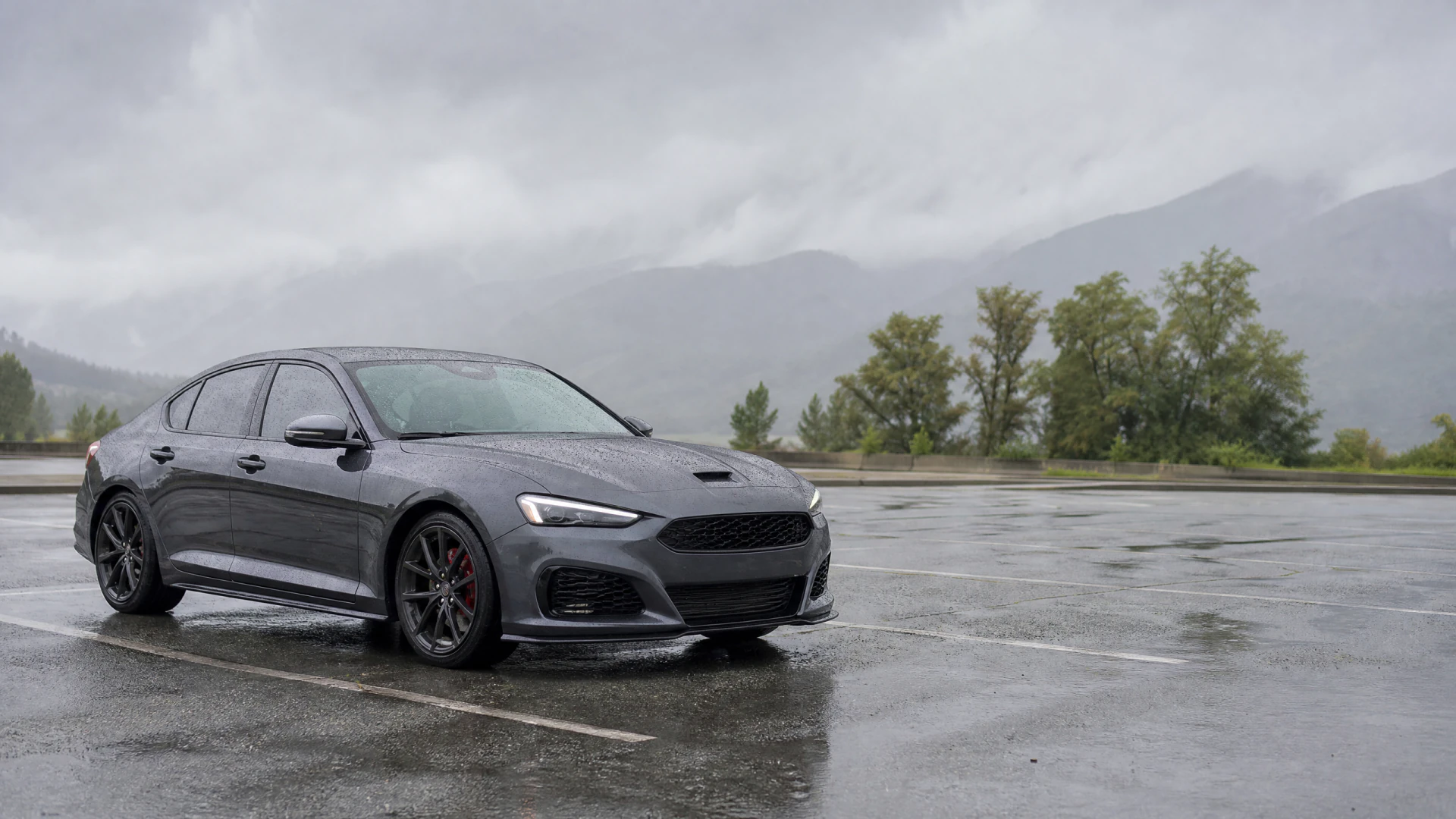
Even if you paid cash, collision coverage makes sense on a new car because the cost to repair or replace it is high. The question isn't really your age. It's how much you'd lose if the car were totaled tomorrow and whether you could cover that yourself.

What your lender requires
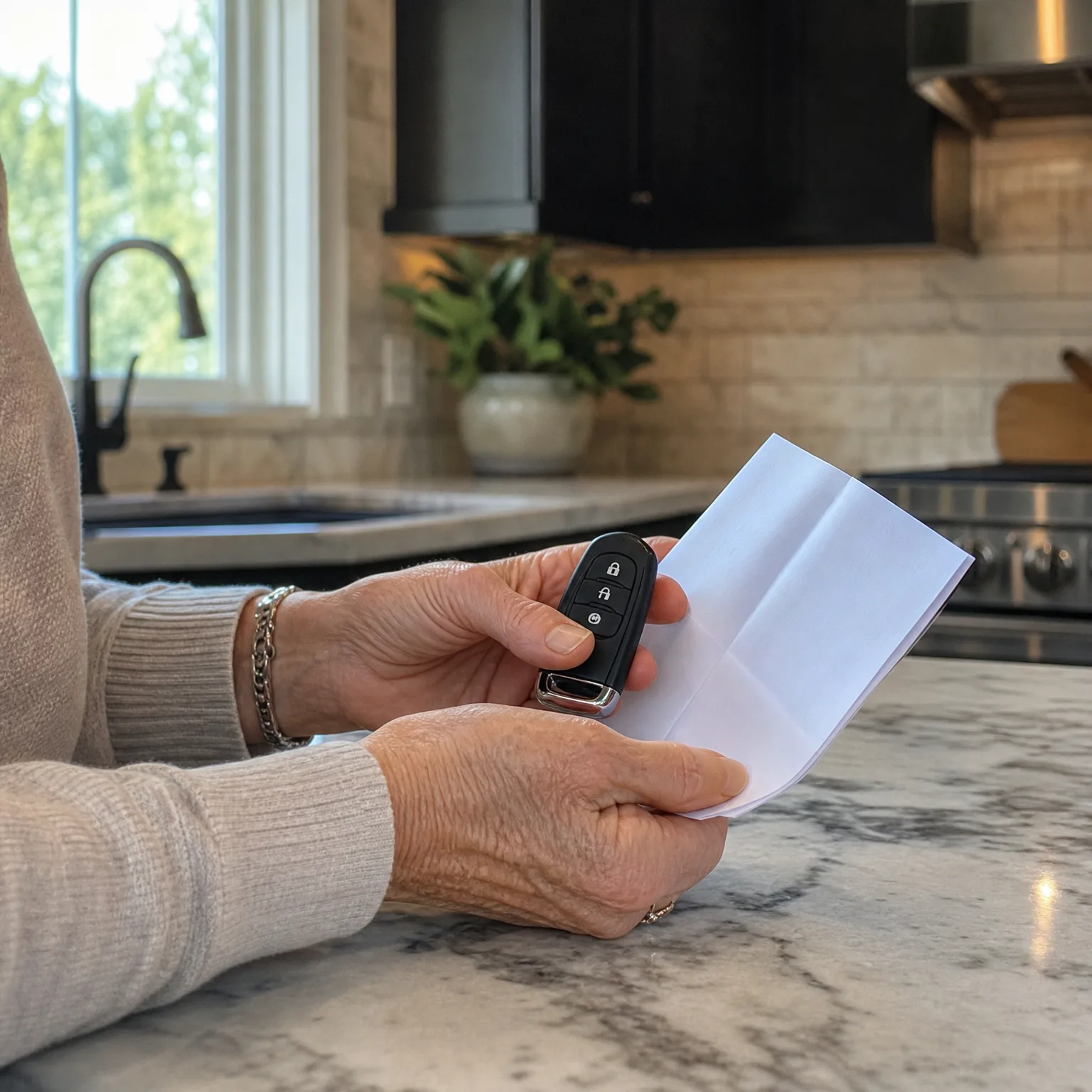
If there's a loan or lease on the car, read the paperwork or ask the lender directly what coverage they require. Most require both collision and comprehensive, and some also require a minimum amount of liability coverage.
This isn't optional while the loan is active. If you drop the coverage, the lender can add their own policy to protect their interest and bill you for it. That coverage usually costs more and protects them, not you.
Once the car is paid off, the requirement ends and the decision becomes yours. At that point it's worth asking whether the car's value still justifies the premium, or whether you'd rather carry the risk yourself.
What the car is worth to you
Collision coverage pays to repair or replace your car after an accident you caused, regardless of who's at fault. On a new car, that payout can be substantial, which is part of why the coverage costs more for a new car than an older one.
Ask yourself what you'd do if the car were totaled and you had no coverage. If replacing it out of pocket would be difficult, the coverage is doing real work for you.
Your driving record and how often you drive also factor into what your insurer charges for this coverage, separate from the car's value. Ask your insurer how they weigh these when quoting you.
Questions people ask about this
Do I need gap insurance on a new car too?
Gap insurance covers the difference between what you owe on the loan and what the car is worth if it's totaled, which collision coverage alone doesn't cover. New cars lose value quickly in the first few years, so the gap can be significant early in the loan. Ask your lender or insurer whether gap coverage is included or sold separately.
How much collision coverage should I carry on a new car?
Collision coverage doesn't have a selectable limit the way liability does. It pays out up to your car's actual cash value at the time of the accident, minus your deductible. What you do choose is the deductible amount, and a lower deductible means a higher premium.
Will dropping collision coverage lower my premium?
Yes, removing collision coverage lowers your premium because you're removing one of the coverages the insurer is pricing. But if you still owe money on the car, your lender likely won't allow you to drop it. Check your loan agreement before you make any changes.
Can I switch insurers on a new car without losing coverage required by my loan?
Yes, you can switch insurers as long as the new policy meets what your lender requires. Tell the new insurer about the loan so they set up the lender as a loss payee on the policy. Confirm with your lender that the new coverage satisfies their requirement before you cancel the old policy.
Does collision coverage cost more for a new car than an older one?
Generally yes, because the premium is tied to what the car would cost to repair or replace, and new cars cost more on both counts. As the car ages and its value drops, collision coverage on it typically gets cheaper too. Ask your insurer how they recalculate this at renewal as the car ages.
See what collision coverage on your new car would actually cost before you commit to a policy.
Pull out your loan or lease agreement and find the section on required insurance, since that tells you the minimum you have to carry. Call your lender if anything is unclear rather than guessing. Then get quotes from a few insurers so you can compare what they charge for collision coverage on this specific car, since pricing varies more than people expect. If the car is paid off, decide separately whether the coverage still makes sense given what the car is worth now. Keep the lender's requirements in writing in case a question comes up later.