Collision Coverage or Comprehensive: What Is the Difference
Collision covers damage from an accident involving your car. Comprehensive covers damage from almost everything else that can happen to it.
Free to compare
Two different causes of damage
Collision pays to repair or replace your car if you hit another car, a fence, a guardrail, or anything else, or if your car rolls over. It applies no matter who caused the accident, though your insurer may go after the other driver's insurer afterward if they were at fault.
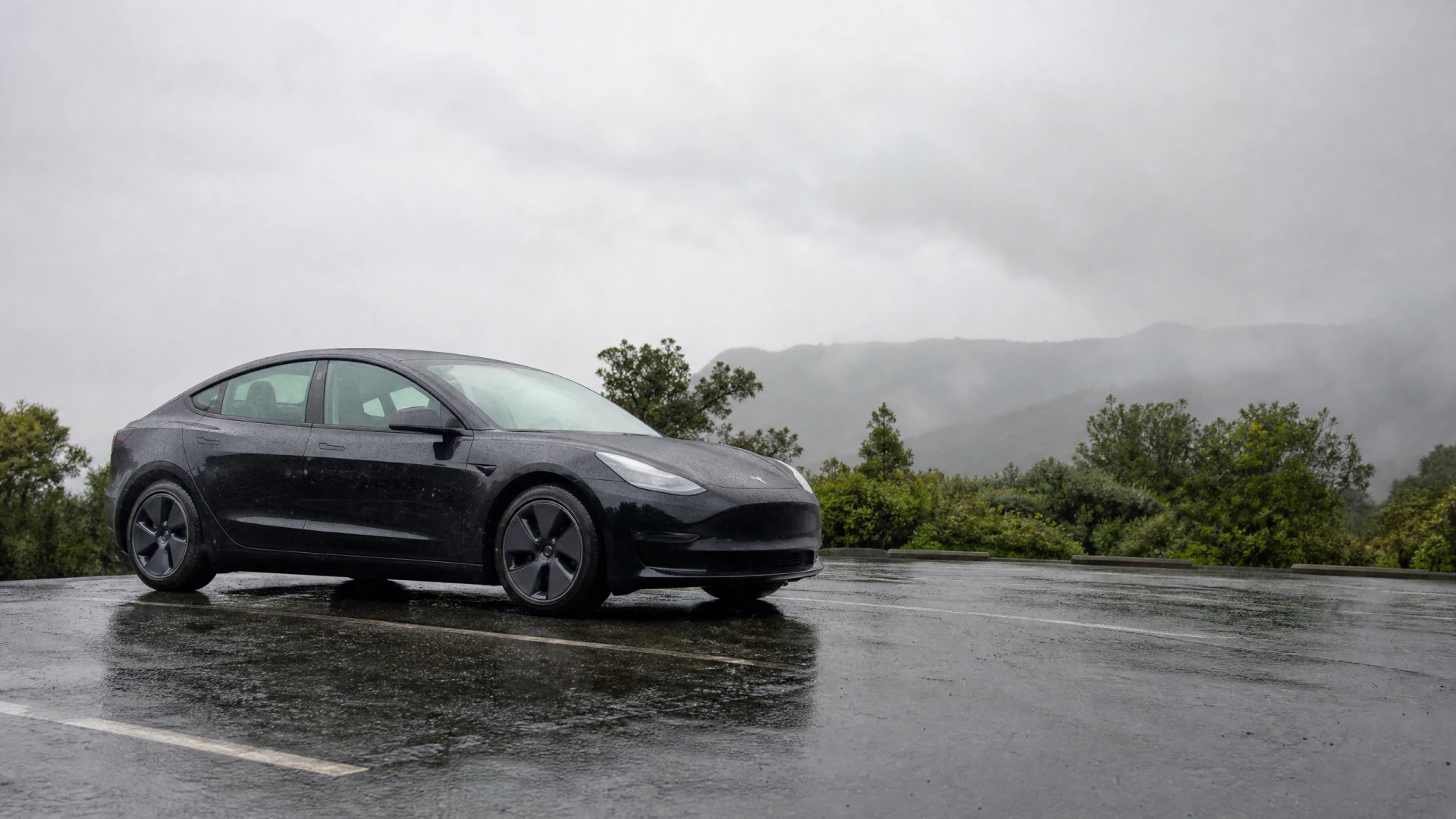
Comprehensive pays for damage that didn't come from a collision with another object while driving. A tree branch falling on your car, a windshield cracked by a rock, a car stolen from your driveway, a flood, a deer in the road. If your lender requires full coverage, that usually means both of these plus liability, not one or the other.
Whether you're required to carry either one
Neither collision nor comprehensive is required by any state's minimum insurance law. States require liability coverage, which pays for damage you cause to other people and their property, not damage to your own car.
If you have a loan or a lease on your car, the lender almost always requires both collision and comprehensive until the loan is paid off. Check your loan agreement or ask your lender directly if you're not sure what they require.
Once a car is paid off, the decision is yours. Some drivers drop one or both coverages on an older car because the payout in a claim would be small next to what they're paying for the coverage. That's a math problem specific to your car's value, not a general rule.
What people get wrong about which one applies
A common mix-up is assuming comprehensive covers a parking lot fender-bender because it sounds like it covers everything. It doesn't. If another car or object is involved while your car is moving or parked and gets hit, that's collision.
Another is assuming you need both or neither. You can carry comprehensive without collision, and some drivers do exactly that on an older car, paying for protection against theft and weather while accepting the risk of at-fault accident damage themselves.
The deductible is also separate for each one. Your policy can have a different deductible for collision than for comprehensive, so check both numbers on your declarations page rather than assuming they match.
Questions people ask about this
Does comprehensive cover a cracked windshield?
Yes, a windshield cracked by a rock or debris is typically a comprehensive claim, not collision, since no other vehicle was involved. Some states and insurers waive the deductible for glass repair specifically, so ask your insurer whether that applies to your policy.
Does collision cover hitting a deer?
No, hitting an animal is usually treated as a comprehensive claim rather than collision, even though your car physically struck something. Check your declarations page to see if comprehensive is listed, since this is a common point of confusion.
Can I drop collision but keep comprehensive?
Yes, as long as your car doesn't have a loan or lease requiring both. Many drivers do this on an older paid-off car to keep protection against theft and weather while skipping coverage for at-fault accident damage.
Does my insurer need to know who was at fault to pay a collision claim?
No, collision coverage pays regardless of fault, since it's your own policy covering your own car. Your insurer may separately pursue the other driver's insurer to recover what they paid, but that process doesn't delay your repair.
Will filing a comprehensive claim raise my premium?
It depends on your insurer and your state, since some treat comprehensive claims as no-fault events that don't affect your rate the way an at-fault accident would. Ask your insurer directly how they handle comprehensive claims before you file one.
See what collision and comprehensive would cost on your car before you decide what to carry.
Pull out your current declarations page and find the deductible listed next to collision and the one listed next to comprehensive. If you have a loan, check your loan agreement or call your lender to confirm what coverage they actually require. If your car is paid off, think about what it would cost to repair or replace versus what you're paying in premium for each coverage, since that comparison is different for every car. When you're ready, get quotes with both coverages included so you can see the real cost side by side, then decide what to adjust from there.