What Is More Expensive Collision or Comprehensive
Collision coverage almost always costs more than comprehensive, because collision pays for the kind of damage that happens most often.
Free to compare
Collision usually costs more
Collision covers damage from hitting another car or an object, or from rolling your own car. Comprehensive covers everything else: theft, fire, hail, a deer, a falling branch. Collision is the pricier of the two for most drivers because at-fault crashes happen more often than the events comprehensive covers, and they tend to cost more to fix.
That said, it depends on your car and where you live. A driver in an area with frequent hailstorms or high theft rates might find comprehensive costs more than it would elsewhere. And a driver with an older car that's cheap to repair might see the gap between the two shrink or even flip.
The value of your car matters most
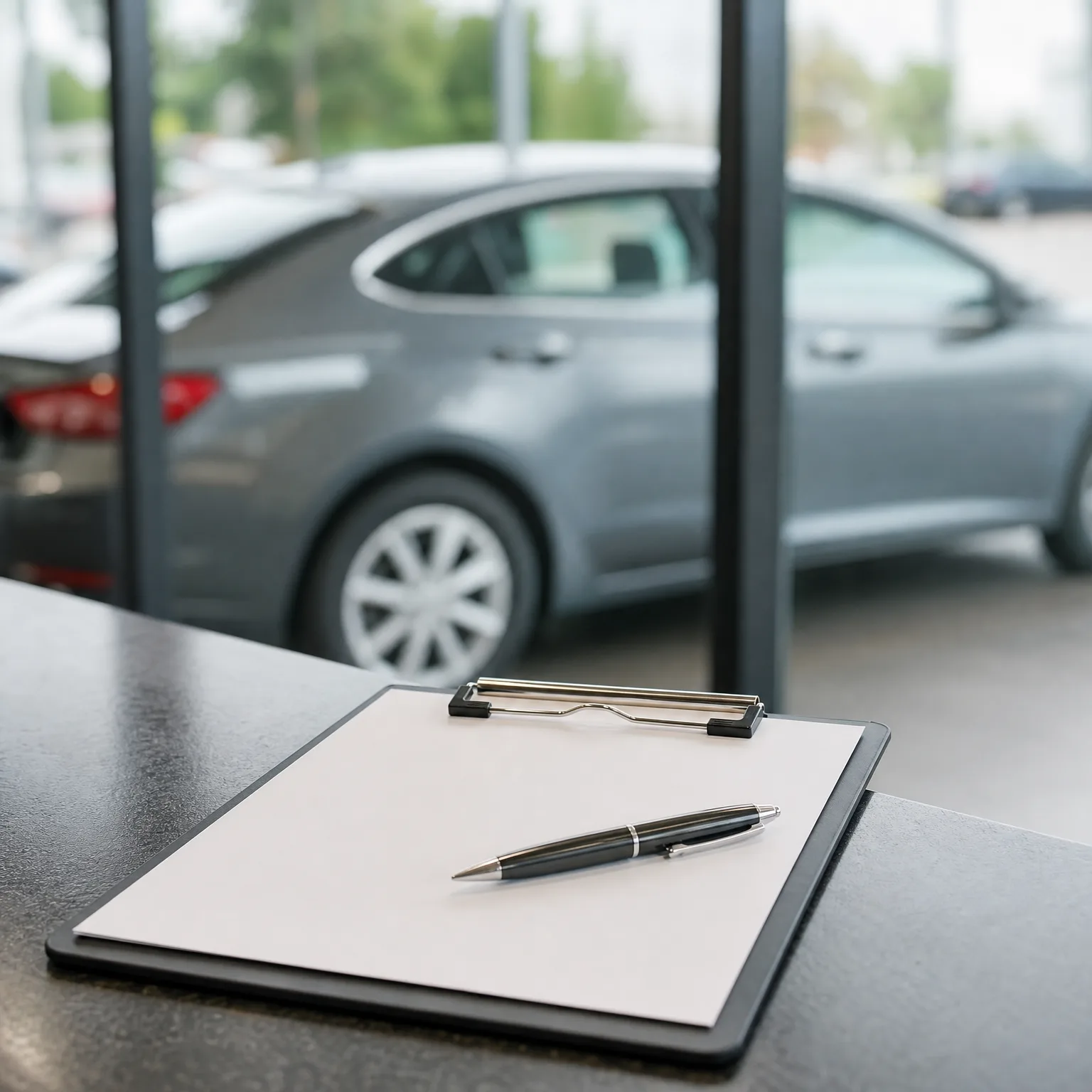
Both coverages pay out based on your car's actual cash value, so the more your car is worth, the more both coverages cost, but collision usually rises faster. A newer, more expensive car costs more to repair after a crash than it does to replace a windshield or cover a theft claim.
If your car is older and worth less, your insurer may cap what either coverage would pay out at the car's value. At some point the premium for collision stops making sense next to what you'd actually collect, and the same can happen with comprehensive, just usually at a lower value threshold since comprehensive claims tend to be smaller.
Check what your car is currently worth before you assume either coverage is worth keeping. Your insurer or a used car valuation guide can give you that number.
Where you live and park changes things
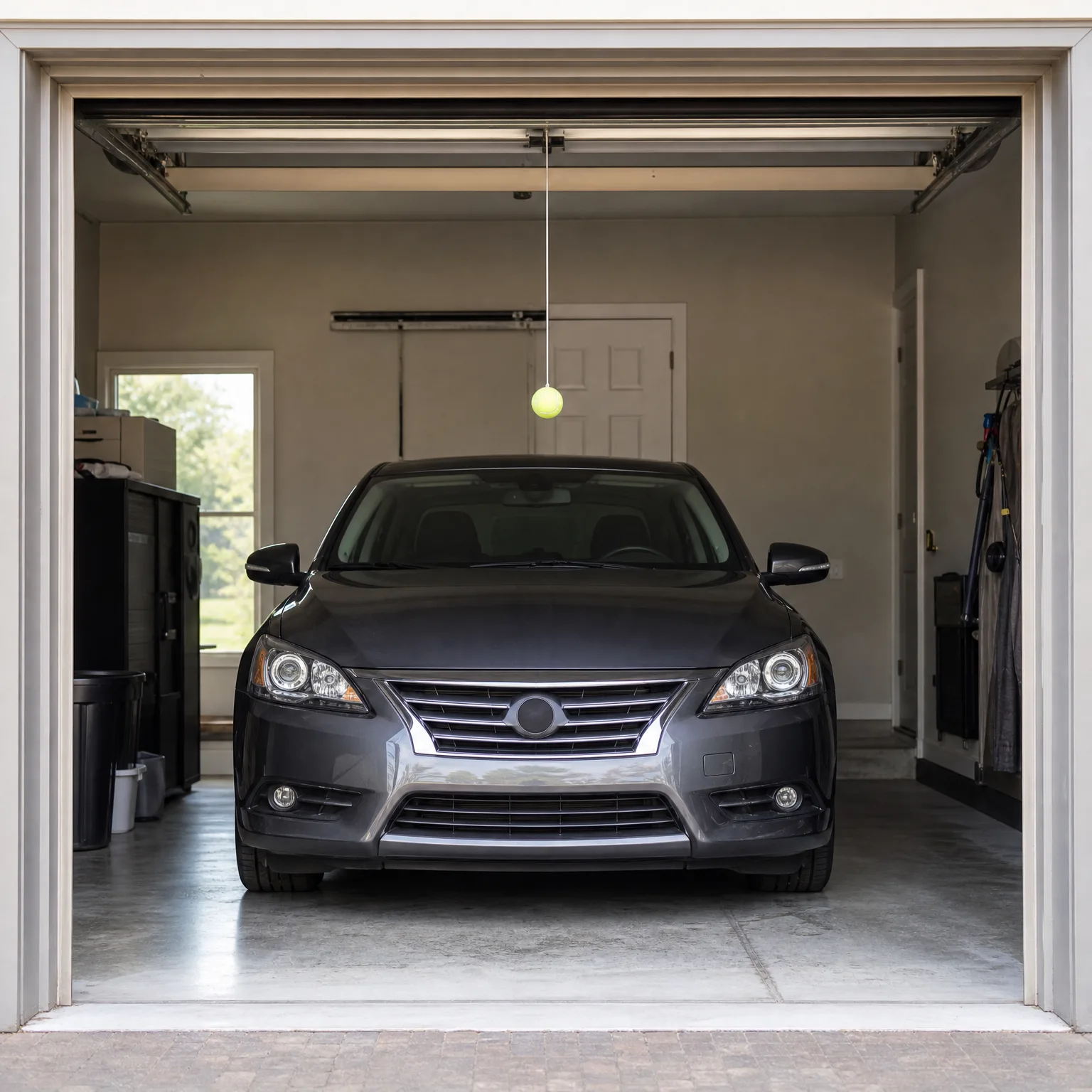
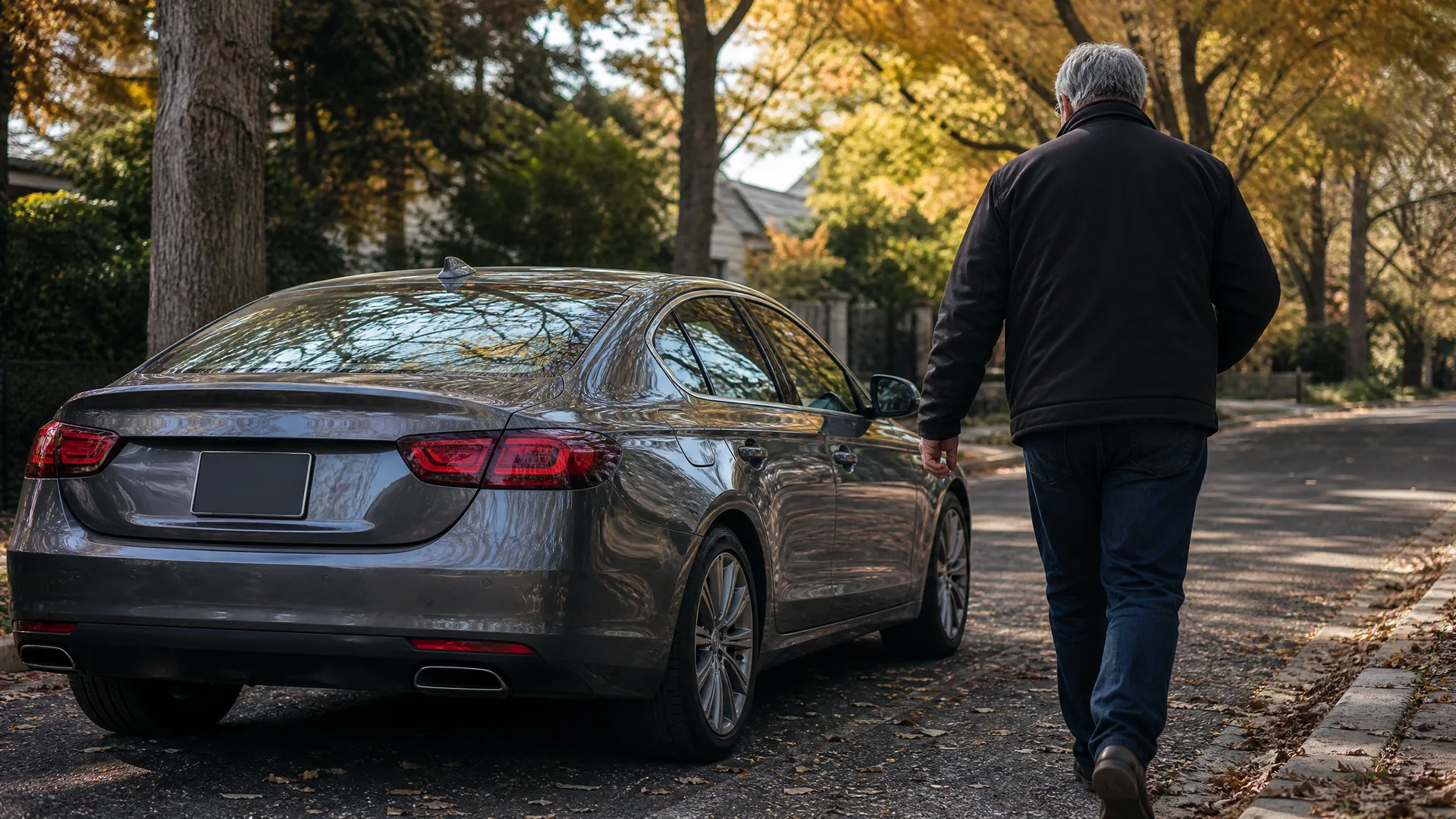
Comprehensive claims are tied to where your car sits when it's not being driven. A garage in a quiet neighborhood is a different risk than a street in an area with frequent break-ins or a region that gets hailstorms. Your insurer prices comprehensive based on that.
Collision is tied more to how you drive and how much you drive. Someone with a long commute on busy roads faces more opportunity for an at-fault accident than someone who drives occasionally on quiet roads.
If you've moved recently, or if your commute has changed, it's worth asking your insurer how that shifted the price of each. The answer that held true at your old address might not hold at your new one.
Questions people ask about this
Do I need both collision and comprehensive?
Not always. If your car is paid off and worth relatively little, you can choose to drop one or both and pay out of pocket if something happens. If you have a loan or a lease, your lender almost certainly requires both until the loan is paid off. Check your loan agreement or ask your lender directly.
Can I have comprehensive without collision?
Yes, this is allowed by most insurers. Some drivers keep comprehensive for theft and weather protection but drop collision once their car is old enough that a crash repair wouldn't be worth the premium. Ask your insurer whether they offer this combination and what it would cost for your specific car.
Does comprehensive cover a cracked windshield?
Yes, a cracked or broken windshield from a rock, debris, or weather is typically a comprehensive claim, not collision. If another car hits your windshield in a crash, that would fall under collision instead. Ask your insurer how they classify windshield damage and whether there's a separate glass coverage option.
Will my rate go up if I file a comprehensive claim instead of collision?
It depends on your insurer. Some treat comprehensive claims as not your fault by nature, since they cover things like theft and weather, so they may not raise your rate the way a collision claim would. Ask your insurer directly how they handle claim history for each type before you file.
Should I drop collision coverage once my car is older?
Many drivers do, once the car's value gets low enough that the premium costs more over time than the payout would be worth. There's no fixed age or value where this makes sense for everyone. Compare your annual collision premium to your car's current value and decide what trade-off you're comfortable with.
See what collision and comprehensive would each cost for your car before you decide what to keep.
Pull up your current policy and find the separate premiums for collision and comprehensive, since they're usually listed as line items. Look up what your car is currently worth using a valuation guide. Compare that number to what you'd pay in premiums over the next year or two for each coverage. If you're financing or leasing, check your loan agreement for what coverage is required before you drop anything. Then ask your insurer directly how dropping one or both would change your total premium, since the savings aren't always what you'd expect.