
Diabetes and Your Arizona License: Disclosure Rules for Seniors
Free to compare
When Does Arizona Require Diabetes Disclosure to the MVD?
Arizona does not require you to report a diabetes diagnosis to the Motor Vehicle Division at the time of diagnosis or renewal. The state operates on an incident-based reporting system: if you experience a hypoglycemic episode while driving that results in law enforcement contact, a documented accident, or a medical provider report, the MVD initiates a medical review. This is fundamentally different from states like California that require self-reporting of insulin-dependent diabetes.
Law enforcement officers who respond to accidents or traffic stops involving suspected medical impairment file Form 40-5156 with the MVD. Medical providers who treat a patient after a driving-related hypoglycemic event may also submit reports under Arizona Revised Statutes § 28-3165. Once the MVD receives either report, you receive a notice requiring physician certification of your fitness to drive, typically within 30 days.
The review focuses on episode frequency, medication management, and hypoglycemia awareness. Your physician must complete the Medical Review Program form certifying whether your diabetes is controlled, whether you've had multiple severe hypoglycemic episodes in the past 12 months, and whether you recognize warning symptoms before losing consciousness. If you do not respond within the stated deadline, the MVD suspends your license administratively until you provide the required medical documentation.
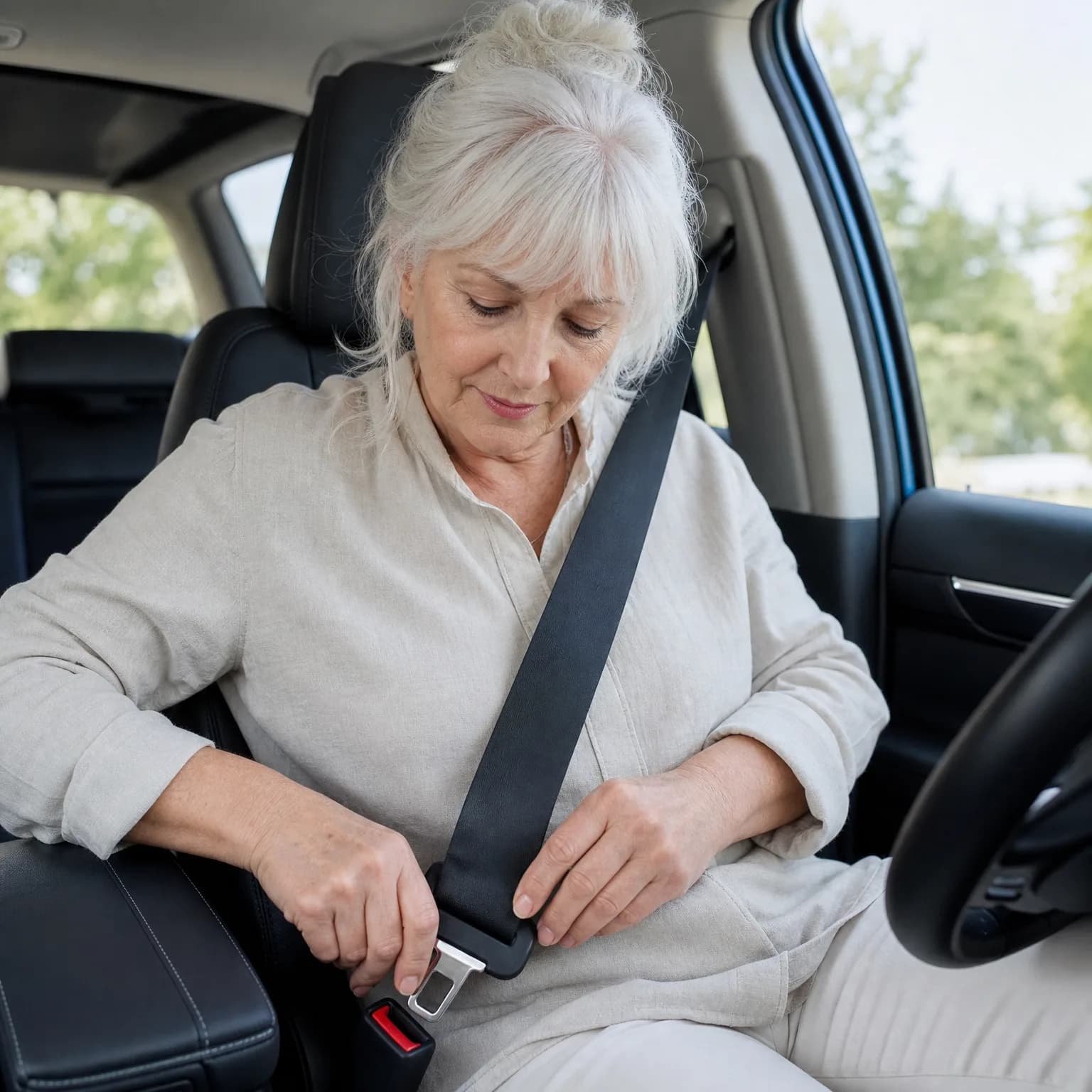
How the MVD Medical Review Process Works After a Hypoglycemic Incident
The MVD sends a Medical Review Program notice to your last address on file, which gives you 30 days from the notice date to submit physician certification. This is not 30 days from when you receive the mail — the clock starts when the MVD prints and mails the notice. Senior drivers who split time between Arizona and another state sometimes miss this deadline because the notice arrived at an unmonitored address.
Your physician must complete the state-provided form, not a general medical letter. The form asks specific questions about A1C levels, hypoglycemic episode frequency, medication regimen, and whether you can reliably detect low blood sugar before impairment. The MVD's Medical Review Unit evaluates whether your condition meets the criteria in the state's Medical Advisory Board guidelines, which generally permit licensing if hypoglycemic episodes are rare, well-managed, and you retain hypoglycemia awareness.
If the MVD approves your continued licensing, you may receive a restricted license requiring annual medical recertification. If the physician's report indicates poor control or recurrent severe hypoglycemia, the MVD can suspend your license until your condition stabilizes. Appeals go through the Office of Administrative Hearings, but the suspension remains in effect during the appeal unless you request and receive a stay.


Insurance Notification Timing and Rate Impact
Arizona law does not require you to notify your insurance carrier of a diabetes diagnosis. Your carrier learns about a hypoglycemic driving incident the same way they learn about any accident: through a claim you file, a claim filed against you, or the accident appearing on your motor vehicle record during routine background checks at renewal.
If you were involved in an at-fault accident caused by hypoglycemia, your liability coverage applies normally — diabetes does not void coverage. However, the at-fault accident will increase your premium at renewal, typically by 20–40% for a single at-fault accident in Arizona depending on your carrier and prior record. If the accident involved injuries or significant property damage, the increase can be steeper.
Senior drivers often ask whether a medical episode accident is treated differently from a standard at-fault accident for rating purposes. It is not. Carriers price the accident based on fault determination and loss amount, not underlying cause. If the MVD places a medical restriction on your license requiring annual recertification, some carriers consider this a risk factor similar to a minor violation, which can add another 5–15% at renewal. Not all carriers apply this surcharge, and it varies by underwriting guidelines.

See What Drivers Over 65 Are Paying Now
See If You Qualify for DiscountsLicense Restrictions and Coverage Adjustments
If the MVD reinstates your license with a medical restriction requiring annual physician certification, you must carry proof of the current certification in your vehicle. The restriction code appears on your license, and law enforcement can verify the certification requirement during any traffic stop. Driving without current medical certification while under restriction is treated as driving on a suspended license under Arizona law.
Some senior drivers reduce coverage after a medical review, particularly if they have reduced their driving radius or frequency. If your vehicle is paid off and worth less than $5,000, dropping collision and comprehensive coverage can lower your premium by 30–50%, which matters on a fixed income. However, if you financed your vehicle or it serves as essential transportation with replacement cost above $8,000, full coverage remains the prudent choice even with higher premiums post-incident.
Medical payments coverage (MedPay) does not duplicate Medicare benefits, and it pays before Medicare processes claims. For senior drivers, a $5,000 MedPay policy costs roughly $30–60 annually in Arizona and covers ambulance transport, emergency room treatment, and follow-up care related to an auto accident without the Medicare deductible or coinsurance applying first. This is particularly relevant if a hypoglycemic episode causes an accident with injuries.

What Happens If You Don't Respond to the MVD Notice
Failure to submit physician certification within the MVD's deadline results in automatic administrative suspension. The MVD does not send multiple reminders or extend deadlines without a formal written request supported by documented circumstances like hospitalization. Once suspended, you cannot legally drive in Arizona until you submit the required medical documentation and pay a $10 reinstatement fee.
Driving on a suspended license is a class 2 misdemeanor in Arizona, carrying fines starting at $500 and potential jail time for repeat offenses. If you are involved in an accident while driving on a suspended license, your liability coverage typically still applies — Arizona law prohibits carriers from voiding coverage based solely on license status at the time of loss — but the carrier will almost certainly non-renew your policy at the end of the term.
Senior drivers who lose their license due to missed medical certification deadlines face a difficult insurance market when reinstating. After a lapse in licensed status, you are often moved to the carrier's non-standard auto division or placed with a high-risk carrier, which can double or triple your prior premium. The rate impact compounds: the original at-fault accident surcharge, the medical restriction factor, and now the lapsed-license placement all apply simultaneously.

Proactive Steps After a Diagnosis or Medication Change
If your physician changes your diabetes medication to insulin or adjusts your regimen in a way that increases hypoglycemia risk, schedule driving during times when your blood sugar is most stable. For most patients on mealtime insulin, this means avoiding driving during peak insulin action windows, typically 1–3 hours after injection depending on insulin type. Carry fast-acting glucose in your vehicle and test before driving if you have any symptoms.
Arizona does not offer a formal medical exemption or safe harbor for drivers who self-report well-controlled diabetes before an incident occurs. However, maintaining documented A1C levels below 7.0%, a log of regular glucose monitoring, and a treatment plan from an endocrinologist strengthens your position if the MVD does initiate a review. The Medical Review Unit evaluates compliance and control, not just diagnosis.
Some senior drivers eligible for usage-based insurance programs or low-mileage discounts use those programs to lower premiums after a rate increase from a medical-incident accident. If you drive fewer than 7,500 miles annually — common for retirees who no longer commute — low-mileage programs in Arizona can reduce premiums by 10–25%. Telematics programs that monitor braking, speed, and time of day can offset part of an accident surcharge if your driving data scores well, though not all carriers offer these programs to drivers with recent at-fault accidents.
Frequently Asked Questions
Does Medicare cover injuries from a hypoglycemic driving accident in Arizona?
Medicare covers medically necessary treatment for injuries sustained in an auto accident, but it pays secondary to your auto insurance medical payments coverage or PIP if you carry it. MedPay pays immediately without deductibles, while Medicare applies its Part B deductible and 20% coinsurance after MedPay exhausts.
Can Arizona suspend my license if I report well-controlled diabetes to my doctor?
Arizona does not suspend licenses based on a diabetes diagnosis or routine medical records. Suspension occurs only after a documented hypoglycemic driving incident reported by law enforcement or a medical provider, or after you fail to provide required physician certification during an MVD-initiated medical review.
Will my insurance company drop me after a hypoglycemic accident in Arizona?
Arizona carriers cannot cancel your policy mid-term based solely on a single at-fault accident. However, they can choose not to renew your policy at the end of the term, particularly if the accident involved significant claims or if you now have multiple at-fault accidents within three years.
How long does an at-fault accident from hypoglycemia affect my rates in Arizona?
Most Arizona carriers surcharge an at-fault accident for three to five years from the accident date. The surcharge is highest in the first year after the accident, typically 20–40%, and may decrease in year two and three if you have no additional incidents.
Can I get a hardship license in Arizona if the MVD suspends me for diabetes?
Arizona does not offer hardship or restricted licenses during a medical suspension. You must provide the required physician certification showing your diabetes is controlled and you are medically fit to drive before the MVD will reinstate your license.
Related Articles
Diabetes & NM License: Disclosure Rules for Seniors
4/29/2026

Diabetes & Alaska License: Hypoglycemia Disclosure Rules
4/29/2026

Nevada Diabetes & License: DMV Medical Review Rules
4/29/2026

Diabetes & Idaho License: Disclosure & Insurance Rules
4/29/2026
Diabetes & Colorado License: Disclosure Requirements
4/29/2026

Diabetes & CA License: Disclosure & Insurance Rules
4/29/2026