
Does Car Insurance Go Down Every Year
Your premium doesn't fall on its own. It changes based on your record, your age, and whether anyone reviews your policy.
Free to compare
No, not on its own
Car insurance doesn't just go down every year. An insurer sets your premium based on your driving record, your age, where you live, and what it costs them to insure drivers like you. None of that moves automatically in your favor just because another year passed.
For an older driver, age can work against the old assumption that rates always ease over time. Some insurers raise rates again past a certain age, even with a clean record. Whether your premium goes down, stays flat, or climbs depends on your insurer's own rules, not on a general trend.
Your driving record and claims history
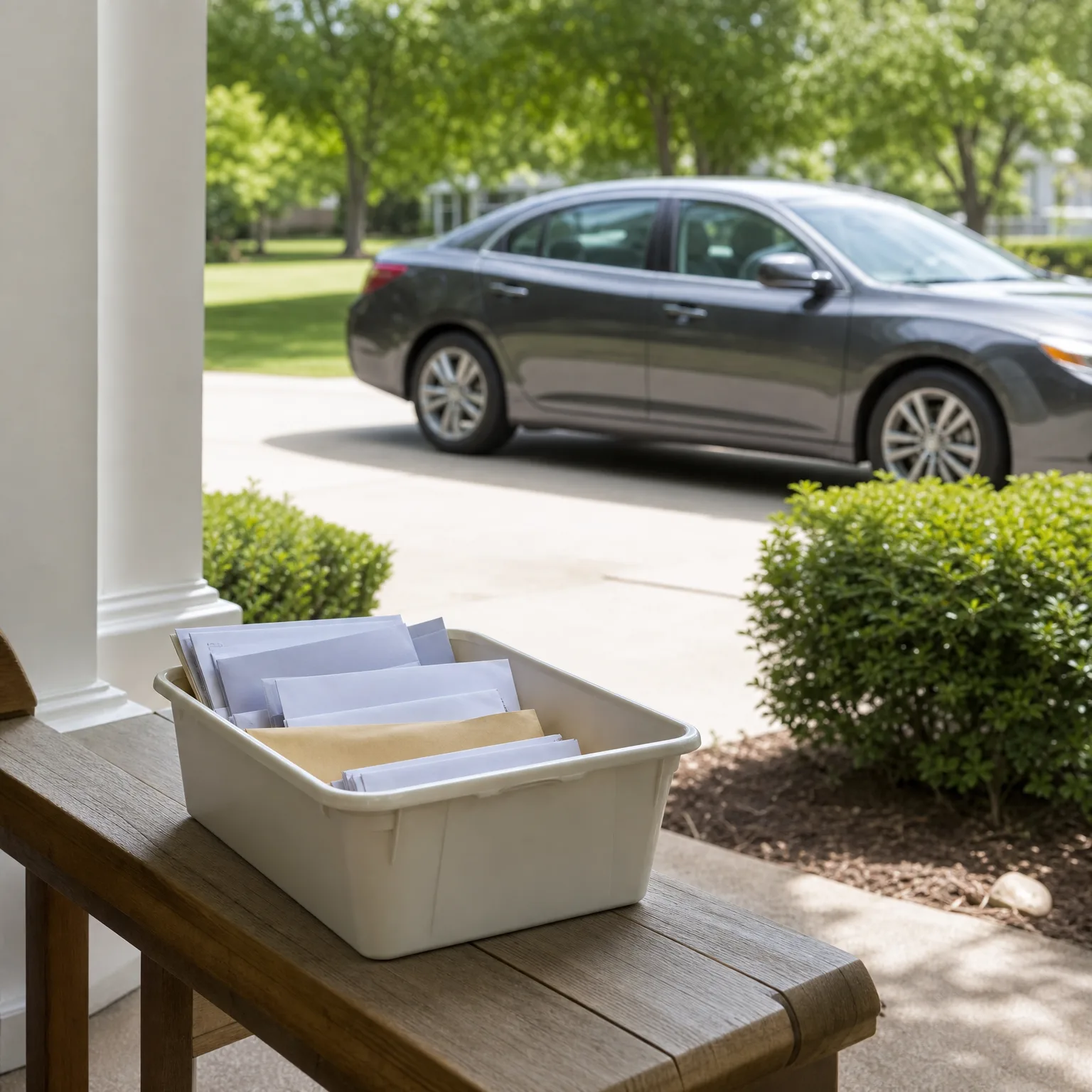
The biggest thing that moves your rate year to year is your own record. A clean year with no tickets or claims can lower your premium at renewal, because you look like less risk to the insurer. A claim, even a small one, can push it the other way.
How long a claim or ticket affects your rate depends on your insurer and your state. Some count back a few years, some longer. If you're not sure when something will drop off your record, ask your insurer directly. They can tell you what's still being counted against you.
If you've gone a stretch without a claim, it's worth asking your insurer whether that's reflected in your current rate. It doesn't always happen without you asking.

Your age and what your insurer does with it
Age affects your rate in both directions. Insurers often see middle-aged drivers with long clean records as lower risk, which is where the idea that rates always go down comes from. But many insurers start raising rates again for drivers past a certain age, treating older age itself as a factor in risk, separate from anything on your record.
How much this matters, and at what age it starts, is set by each insurer, not by any single rule. Two companies can treat the same birthday very differently.
This is also where things like a defensive driving course can help. Many insurers offer a discount for completing one, but you usually have to send them the certificate yourself. Finishing the course doesn't change anything until they have that paperwork.
If your premium went up at your last renewal and you're not sure why, ask your insurer what changed. Age, location, and claims all factor in, and they can tell you which one moved your number.
Questions people ask about this
Why did my car insurance go up when I didn't file any claims?
It's usually not about you specifically. Insurers adjust rates based on overall claims costs in your area or across their whole book of business, not just your own driving. Your age, where you live, and even the cost of repairing your specific car model can all factor in. Ask your insurer for the reason in writing if the increase surprises you.
Does my car insurance go down if I switch to a cheaper car?
It can, because the cost to insure a car depends partly on the car itself, including how expensive it is to repair and how often that model is stolen or involved in claims. Ask your insurer for a quote on the specific car before you buy it, since the difference between two similar-looking cars can be larger than expected.
Does bundling home and auto insurance lower my rate every year?
Bundling can lower your combined rate compared to buying each policy separately, but that discount doesn't necessarily grow or even stay the same every year. Your insurer recalculates both policies at renewal based on current factors, so it's worth checking occasionally whether bundling is still your cheapest option or whether separate policies from different insurers would cost less.
Should I switch insurers if my rate keeps going up every year?
It depends on what another insurer would actually charge you, which you won't know until you ask. A rate that climbs every year at your current insurer doesn't mean every insurer would charge you the same. Getting a few quotes lets you compare what you're paying now against what else is out there for the same coverage.
Does my credit affect whether my car insurance goes down?
In many states, yes, insurers use credit-based scores as one factor in setting your rate, and improving your credit can lower your premium at renewal. Some states don't allow this practice at all. Check with your insurer or your state's insurance department to find out whether this applies where you live.
See whether another insurer would charge you less this year.
Pull out your current renewal notice and look at what changed from last year, not just the total. Call your insurer and ask them to explain any increase, and ask directly whether your age, your record, or something else drove it. If you've taken a defensive driving course recently, confirm they have your certificate on file, since the discount doesn't apply until they do. Then get a few quotes from other insurers using the same coverage limits so you're comparing like for like. Do this before your renewal date, not after, so you have time to switch if another insurer offers a better rate for the same protection.