Why Is My Car Insurance Going Up with No Claims?
A clean record keeps your rate from rising faster. It doesn't stop it from rising at all.
Free to compare
Your driving record is only one input
Insurers set your premium using a lot more than whether you filed a claim. They look at what's happening across everyone they insure in your area, what cars and repairs cost right now, and what they're paying out on claims that aren't yours. If those costs go up, your premium can go up too, even though your own record hasn't changed.
Your age plays a part as well. Insurers track accident rates by age group, and if drivers your age are filing more claims as a group, that can raise what everyone in that group pays, including you.

What your insurer is pricing, besides you
Every renewal, your insurer recalculates risk using current numbers. Repair costs, medical costs, and the price of replacement vehicles all factor in, and all of those have been rising. A clean driving record doesn't offset that. It just means you're not adding extra risk on top of it.
Where you live matters too. If claims in your area have gone up, from theft, weather, or more accidents on local roads, your insurer may spread that cost across everyone they cover there, including drivers who've never filed a claim.
Your car itself gets repriced as well. If it's gotten more expensive to repair or replace, or if parts for it have gotten harder to source, that shows up in your premium regardless of your record.
None of this is something you did wrong. It's the insurer adjusting to costs that have nothing to do with your driving.

What a clean record doesn't protect you from
Some insurers raise rates for long-time customers more than they do for new ones, on the expectation that people who've stayed a while are less likely to shop around. This has nothing to do with claims. It's worth checking what a new policy with the same coverage would cost you elsewhere.
Discounts can also expire or shrink over time even when nothing about your driving has changed. A discount you got when you first signed up, for bundling, for a safety course, for a telematics program, may not renew at the same level indefinitely.
If your insurer has stopped offering a discount you used to get, or changed how a certain discount is calculated, that alone can account for an increase with no claims involved. It's worth asking directly what changed on your policy, line by line.
Questions people ask about this
Can my insurer raise my rate for no reason?
Insurers can adjust rates at renewal based on their own cost data, not just your individual history, as long as they follow their state's rules for how and when they notify you. If you want the specific reason, ask your insurer or agent to explain what changed on your renewal.
Will switching insurers lower my rate if my record is clean?
It might, since each insurer prices risk differently and some weigh age and location more heavily than others. Getting a few quotes with the same coverage levels is the only way to know whether another insurer would charge you less.
Does age alone increase car insurance rates?
Age is one factor among several, not a rule that applies the same way everywhere. Insurers use statistical data tied to age groups, so how much it affects your premium depends on the insurer and the state you're in.
Why did my insurance go up if I didn't move or change cars?
Your premium can still rise due to changes in your insurer's overall claims costs, inflation in repair and medical costs, or a discount you had expiring. Ask your insurer for a breakdown of what changed since your last renewal.
Should I ask my insurer why my premium went up?
Yes, and you're entitled to ask. Insurers can tell you what factors changed on your policy, even if the exact pricing formula isn't something they'll share in full.
If you want to know whether your rate is in line with what others pay, the only way to find out is to compare.
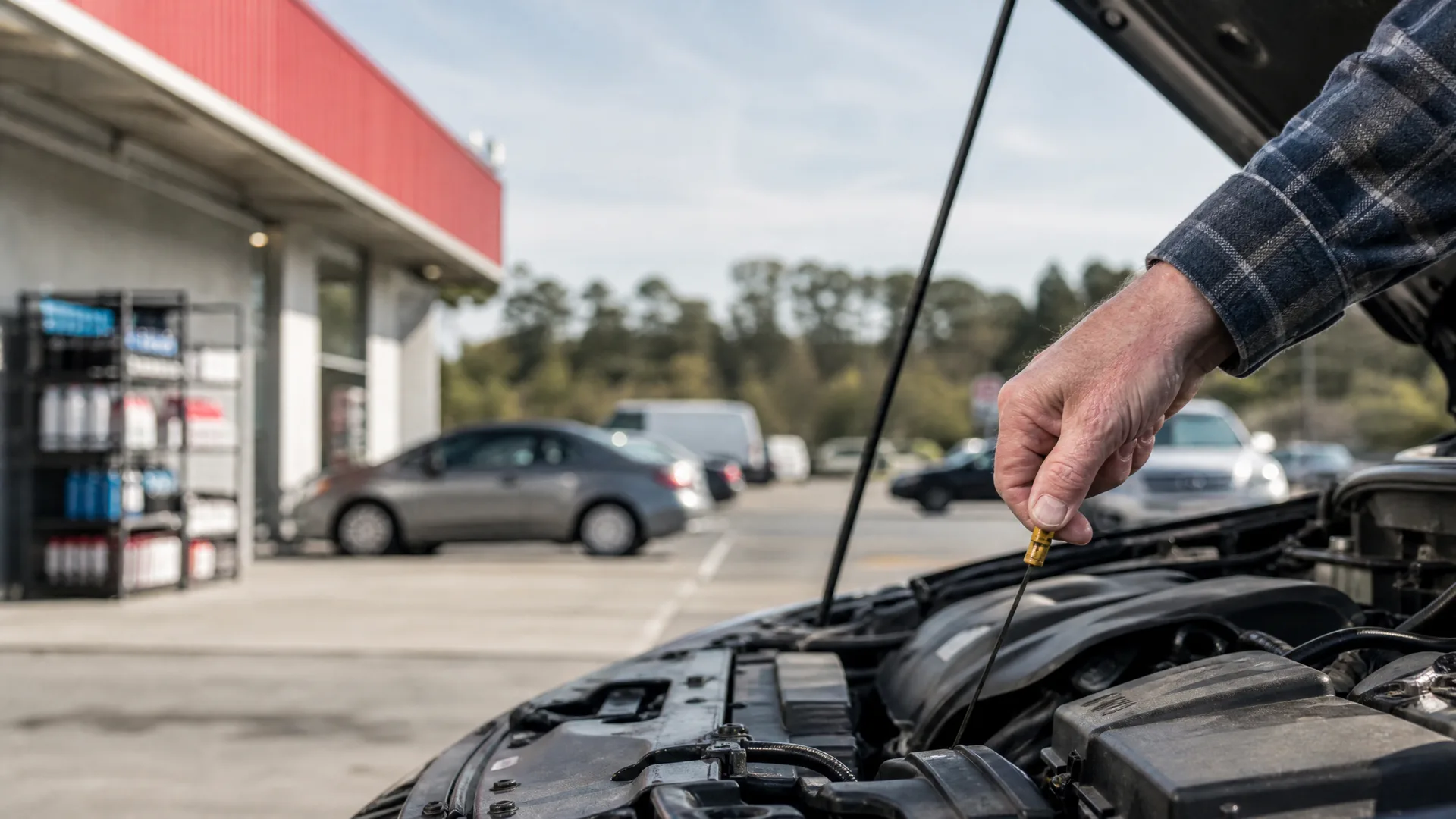
Pull up your renewal notice and find the breakdown of what changed since last year, not just the total. Call your insurer or agent and ask directly what drove the increase, including whether any discount you had has expired or shrunk. Ask whether your rate reflects your individual record or broader changes across your state or age group. While you're at it, check what safety course or telematics discounts you might qualify for but haven't applied. Then get a few quotes with the same coverage limits to see whether your current insurer is still competitive for someone with your record.