Why Is My Car Insurance So High With No Accidents or Tickets
A clean driving record is only one factor your insurer weighs, and it may not be the biggest one.
Free to compare
Your record isn't the only thing your insurer looks at
No accidents and no tickets keeps your rate from climbing. It doesn't mean your rate is low. Insurers also price your policy on your age, your zip code, the car you drive, your credit-based insurance score where the state allows it, and how long you've been continuously insured.
So two drivers with identical records can pay very different amounts. If your premium went up at renewal despite a clean year, something else changed, or the insurer's overall rates moved, not just your personal risk.
Age changes what insurers assume about you
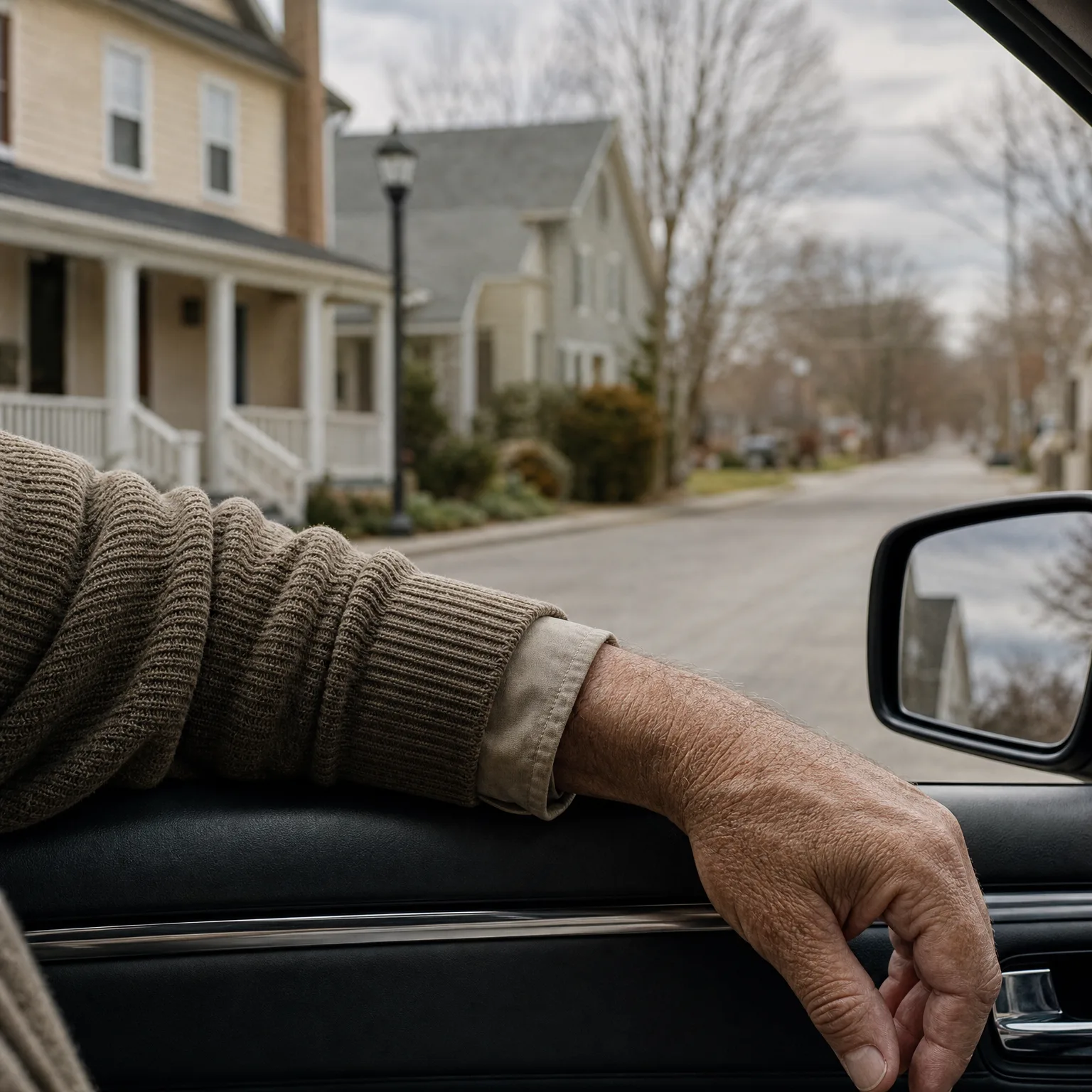
Insurers use age as a stand-in for risk, separate from your actual driving history. Drivers at both ends of the age range tend to see higher base rates, because the statistics for their age group show more claims, even when a specific driver has never filed one.
This means your record keeps your rate from going even higher, but it doesn't erase the baseline your age sets. Ask your insurer directly how much of your premium reflects your personal record versus your age bracket. Some will break this down if you ask.
If you've reached an age where insurers typically offer a mature driver discount, ask whether you qualify and what you need to send them. In many states this requires a defensive driving or refresher course, and the discount usually doesn't apply automatically. You have to request it and provide proof.

Where you live and what you drive carry real weight
Your zip code factors into your rate because insurers track accident frequency, theft rates, and claim costs by area. Two people with the same driving history can pay different amounts simply because one lives somewhere with more claims filed nearby.
The car itself matters just as much. Repair costs, parts availability, and how often that model is stolen or involved in claims all feed into the price. An older paid-off car might cost less to insure for collision coverage, but if you're still carrying full coverage on a vehicle that's lost most of its value, you may be paying for protection that no longer matches what the car is worth.
Check whether your car still needs comprehensive and collision coverage, or whether liability alone makes more sense now. This is a conversation to have with your insurer, since the right answer depends on the car's current value and what you could afford to replace it with.
Questions people ask about this
Will my car insurance go down if I take a defensive driving course?
It can, but only if your insurer offers that discount and you send them the completion certificate. Finishing the course isn't enough on its own. Ask your insurer before you sign up whether the specific course you're considering qualifies.
Does my credit score affect my car insurance rate?
In most states, yes, insurers use a credit-based insurance score as one factor in pricing. A few states prohibit this entirely. Check with your insurer or your state's department of insurance to find out whether this applies where you live.
Why did my car insurance go up even though nothing changed on my end?
Insurers periodically adjust rates based on claims trends across their whole pool of policyholders, not just your individual history. Rising repair costs, more claims in your area, or company-wide rate filings can all raise your premium even when your own record stayed the same.
Should I switch insurers if my rate keeps rising with a clean record?
It's worth comparing quotes from other insurers, since each one weighs factors like age, location, and vehicle differently. A clean record that one insurer prices high might be priced lower by another. There's no guarantee, but it costs nothing to check.
Does the type of coverage I carry affect how much I pay?
Yes, carrying comprehensive and collision coverage costs more than liability alone, and the gap varies by car and insurer. If your vehicle is older or fully paid off, ask your insurer what dropping optional coverage would save and whether that still makes sense for you.
See what other insurers would charge for the same coverage before you accept another renewal increase.
Pull your most recent renewal notice and your current policy declarations page. Call your insurer and ask them to explain, line by line, which factors raised your premium this year. Ask specifically whether you qualify for a mature driver discount and what proof they need. Then get quotes from a few other insurers using the same coverage limits so you're comparing like for like. If another insurer prices your record and your car lower, you can switch before your next renewal date.