
Does Car Insurance Go Down When You Retire
Retiring doesn't change your rate by itself. Telling your insurer how your driving changed is what can lower it.
Free to compare
It can, but only if you report the change
Retiring doesn't automatically lower your premium. Your insurer isn't tracking your job status, so nothing changes on their end unless you call and tell them something is different.
What actually brings the rate down is driving less. No commute means fewer miles per year, and most insurers ask about annual mileage when they price your policy. If you don't update that number, you keep paying for the driving you no longer do.

How you describe your driving now
When you call your insurer, they'll likely ask how you use your car differently now. Not commuting to an office is the main thing that matters, so say that plainly rather than just mentioning you retired.
Some insurers have a specific discount tied to lower annual mileage, and some fold it into how they calculate your rate without naming it as a discount. Either way, you won't see any change until you give them an updated mileage estimate.
Be realistic about the number. If you still drive to volunteer, visit family, or run errands most days, your mileage may not have dropped as much as you'd expect. Insurers can sometimes ask for an odometer reading or check it at your next renewal, so it's worth giving a number you can stand behind.
If your car now sits more than it used to, ask whether that changes anything about your coverage too, since some policies have different terms for cars driven under a certain amount.

What your insurer offers has to be checked directly
Whether retiring helps your rate depends heavily on which insurer you have, since there's no single rule that applies to everyone. Some insurers have a named low-mileage or retiree discount. Others simply recalculate your rate based on updated mileage without calling it anything special.
Your state matters here too. Insurance pricing rules vary by state, so what your insurer can offer and how they weigh mileage against other factors isn't the same everywhere.
The only way to know what applies to you is to ask your insurer directly what happens to your rate when you update your mileage and your commute status. Ask specifically whether they have a discount tied to retirement or reduced driving, since some won't volunteer that information unless you ask.
It's also worth asking when the change takes effect. Some insurers apply it right away, others wait until your next renewal, so don't assume it's reflected in your very next bill.
Questions people ask about this
Does my car insurance change if I switch to a different car after retiring?
It can, depending on the car's value, age, and safety features. A less expensive or safer car to insure often costs less to cover, but you'd need to get a new quote to see the actual difference rather than assuming it drops.
Should I switch to a different type of policy after I retire?
That depends on how you use your car and what coverage you still need. If you're driving less, it's worth asking your insurer whether a different mileage tier or usage-based option fits better, but this isn't something that happens automatically.
Will my insurance go up if I'm driving more because I'm retired?
It can, if your annual mileage actually increases, for example if you're now taking longer trips or running more errands. Insurers generally price based on how much you drive, not just whether you commute, so more driving in retirement can raise your rate instead of lowering it.
Does my credit-based insurance score change when I retire?
Retiring itself doesn't change your credit-based insurance score, but changes in your income or spending habits afterward might affect your credit over time. In the states that allow insurers to use credit information, that could eventually affect your rate, so it's worth keeping an eye on your credit report.
Do I need to tell my insurer anything else when I retire besides my mileage?
You should mention anything that changed about how or where you drive, not just the mileage number. If you're now parking at home instead of a work garage, or driving at different times of day, your insurer may ask about these details when recalculating your rate.
See what other insurers would charge now that your driving has changed.
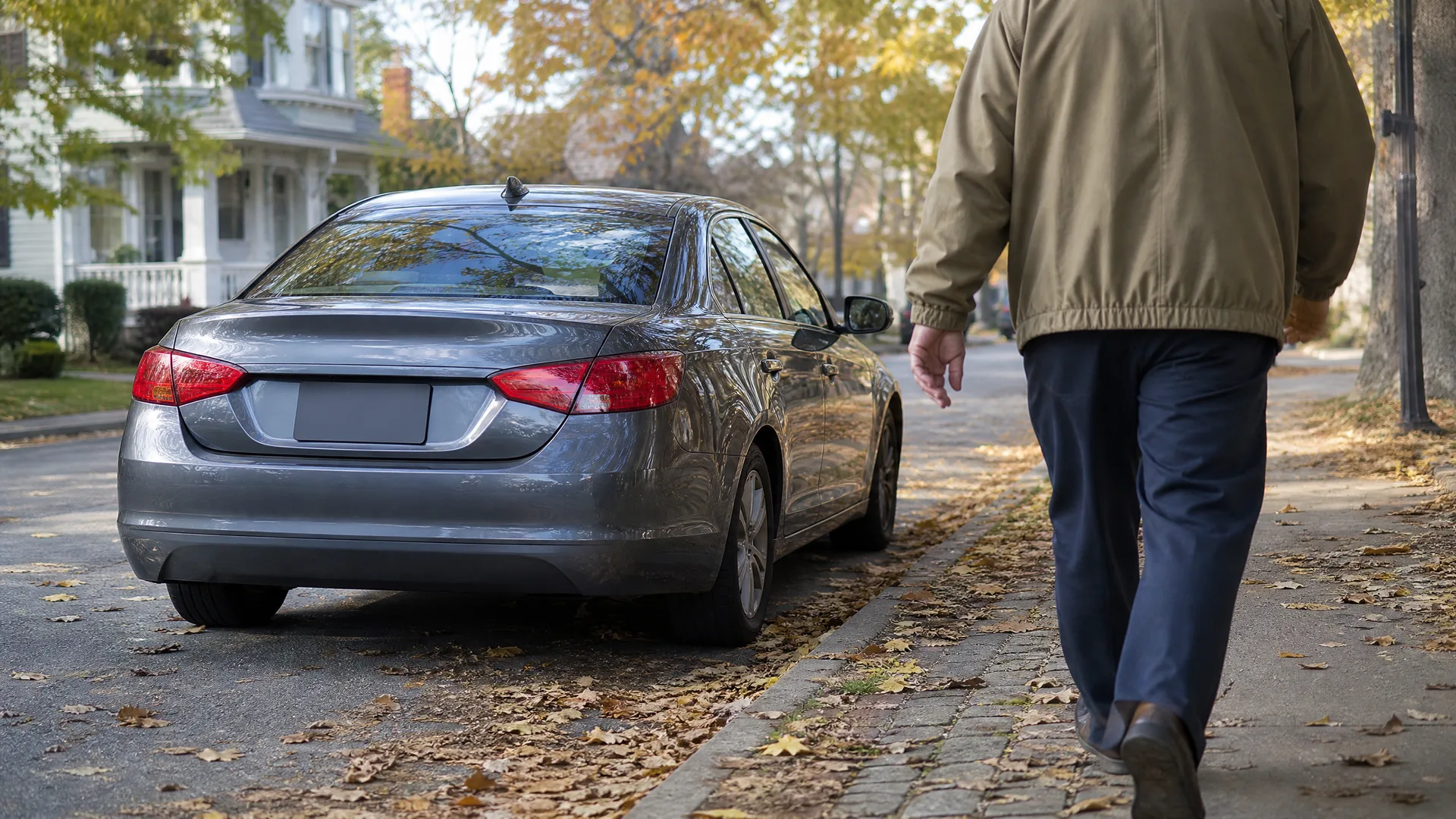
Call your insurer this week and ask them directly what happens to your rate if you update your annual mileage and commute status. Have a realistic estimate ready of how many miles you drive now, based on a typical week or month, not a guess. Ask whether they have a specific discount for retirees or reduced mileage, and when any change would actually show up on your bill. While you're at it, get a couple of quotes from other insurers using the same updated mileage, since your current insurer isn't the only one who might offer a better rate for how you drive now. Keep a note of what each insurer says so you can compare them side by side.