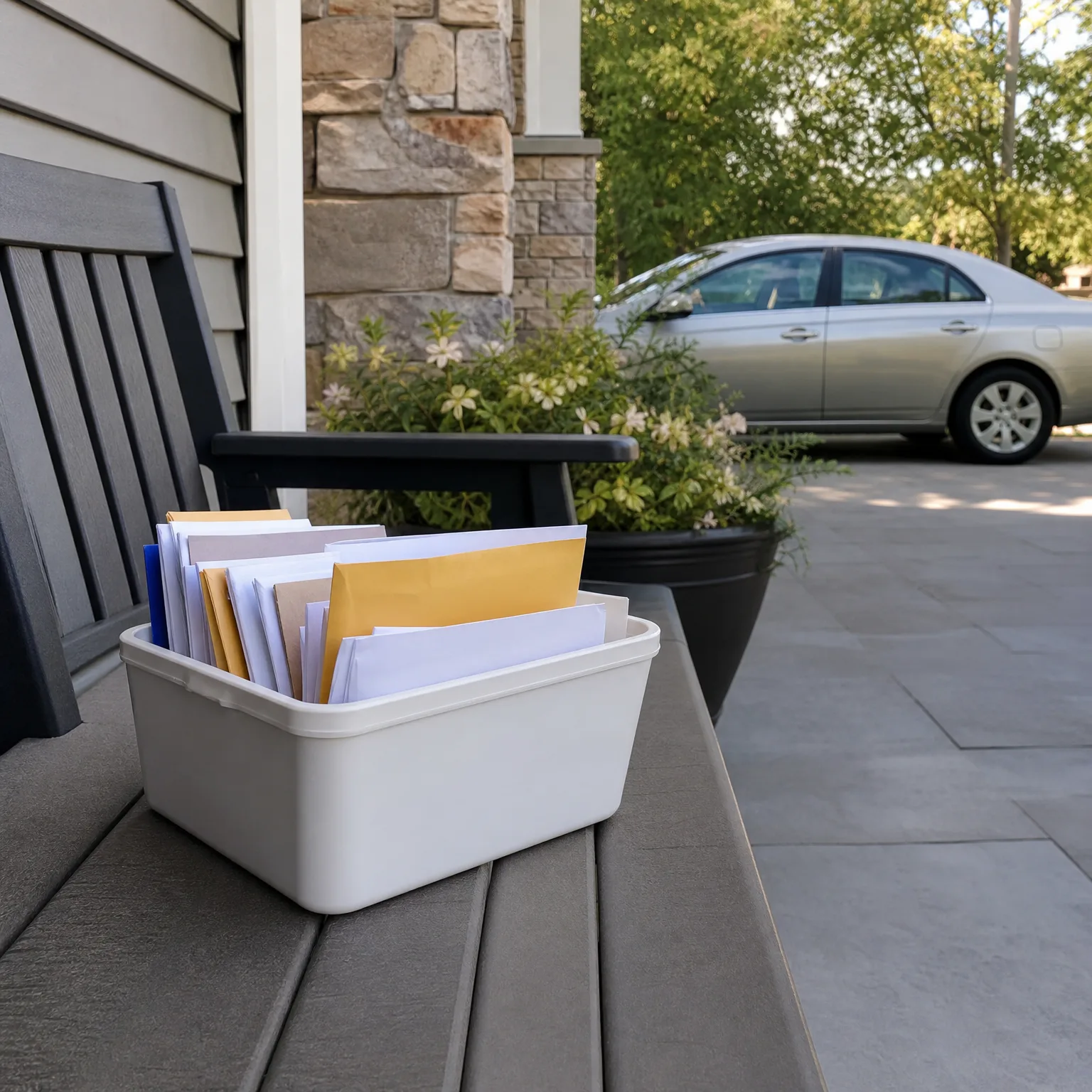
How Car Insurance Works When You Retire
Retiring doesn't change your policy by itself, but the way you drive after retiring usually does.
Free to compare
Your policy stays the same until you report a change
Car insurance doesn't update automatically when you retire. Your insurer has no way of knowing your commute ended unless you tell them. The policy you had the day before you retired is the same one you have the day after, with the same premium, until you call and report what's changed.
What usually brings the premium down after retirement is driving less, not the retirement itself. Insurers price a big part of your premium on how many miles you drive each year and whether that driving includes a daily commute. Retire, stop commuting, and you may qualify for a lower mileage bracket. But that only happens if you ask for it.

How much less you're actually driving
The honest first question is how your driving changes, not whether you retired. Someone who stops commuting but still drives around town every day for errands and visits may not see much of a difference. Someone who cuts their annual mileage by half has a real case for a lower rate.
Most insurers ask for an estimate of annual mileage when you report the change, and some will ask you to confirm it later with an odometer reading. Have a real number ready, not a guess. Check your last service record or inspection sticker for your mileage at that point, and do the math from there.
If you're keeping a car mostly for occasional trips now, ask your insurer directly whether they offer a low mileage discount and what proof they need. Some insurers also offer usage based programs that track actual miles through an app or a device, which can work out well for someone driving a lot less than before.
If your driving hasn't really changed, retirement alone won't move your premium. Be honest with yourself about that before you call expecting a discount that isn't there.
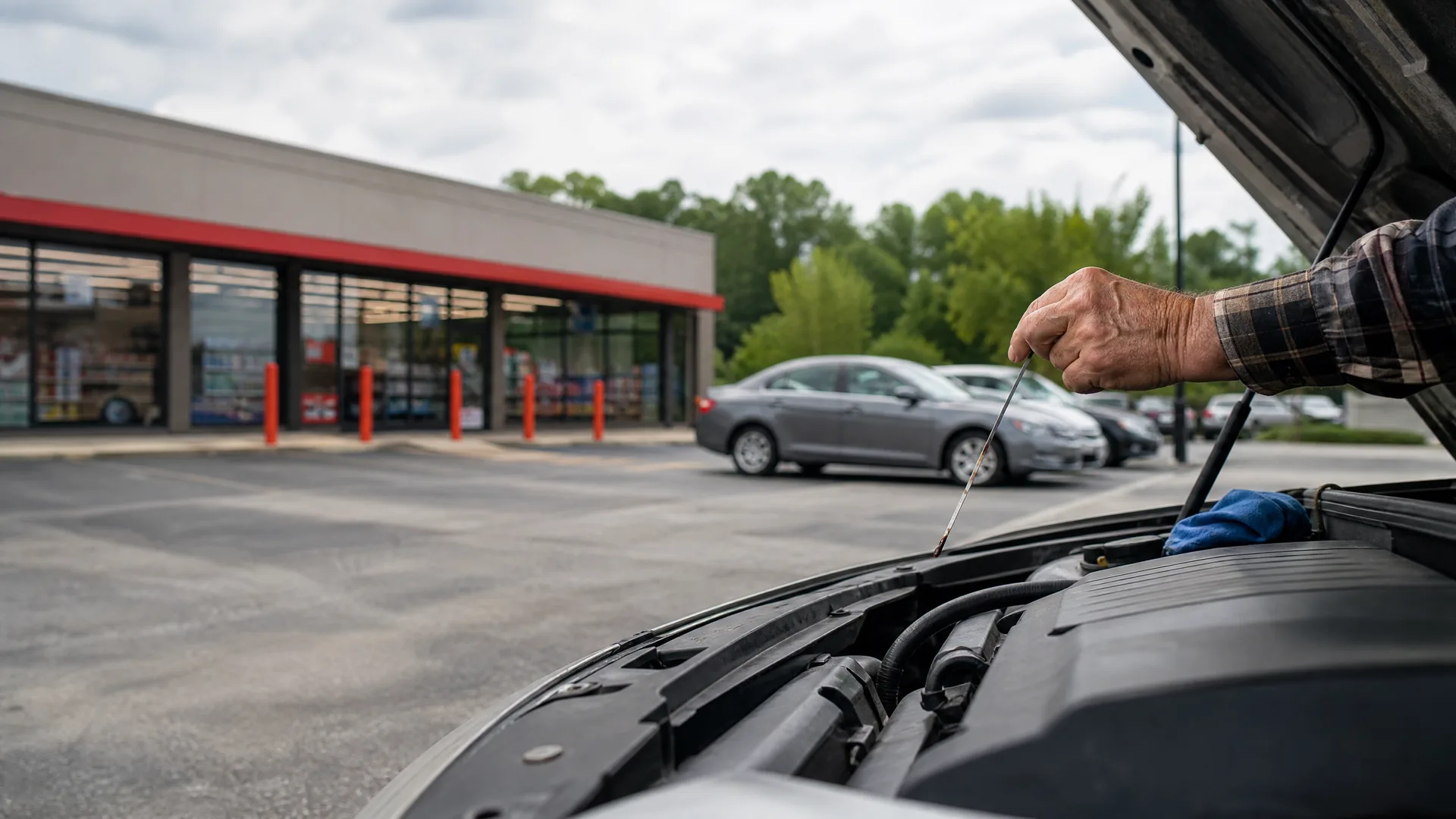
Whether your insurer offers a retiree or mature driver discount
Separate from mileage, some insurers offer a discount simply for being retired or past a certain age, and some tie it to completing a defensive driving or mature driver course. Whether either applies to you depends entirely on the insurer and the state you live in. There's no single rule here.
If a course is involved, the discount usually isn't automatic. You take the course, you get a certificate, and then you have to send that certificate to your insurer yourself. Finishing the course isn't the same as getting the discount applied.
Ask your insurer two things directly: whether they offer a retiree or mature driver discount at all, and whether a defensive driving course is required or optional for it. The answer varies enough between companies that guessing isn't worth your time.
It's also worth asking whether your state requires insurers to offer this kind of discount, since some states do and some leave it up to the company. Your state's department of insurance can tell you if that applies where you live.
Questions people ask about this
Does my car insurance go down automatically when I stop working?
No, nothing changes until you contact your insurer and report it. Insurers don't track your employment status, so the lower rate some retirees get comes from reporting reduced mileage or asking about a retiree discount, not from retiring itself.
Should I switch to a different insurer after I retire?
That depends on how your current insurer prices the change you're reporting. Once you've told them about your new mileage or asked about a retiree discount, compare what they quote you against other insurers to see whether you're still getting a fair rate for how you drive now.
Do I need less coverage once I'm retired?
Not necessarily, since your coverage needs are tied to your car, your driving, and your finances, not your employment status. If you're driving less, it may be worth reviewing your liability limits and deductible with your insurer, but retirement by itself isn't a reason to lower coverage.
Will my insurance drop if I only drive occasionally now?
It can, if you report the lower mileage to your insurer and they adjust your rate class accordingly. Ask what mileage bracket you'd fall into and whether they need an odometer reading now or at renewal to confirm it.
What happens to my insurance if I give up my car after retiring?
If you no longer own or regularly drive a car, you can cancel your policy, though it's worth asking your insurer about a non-owner policy first if you'll still drive occasionally, such as a rental or a family member's car. Check whether your state requires continuous coverage to avoid a lapse that could raise rates later if you buy another car.
See whether another insurer prices your current driving better than the one you're with.

Call your insurer this week and tell them your commute has ended or your driving has dropped, and ask them to recalculate your rate based on your new annual mileage. Have a real mileage estimate ready, pulled from a recent odometer reading or service record. Ask them directly whether they offer a retiree or mature driver discount, and if a course is required, ask what to do with the certificate once you finish it. While you're at it, ask whether your liability limits and deductible still make sense for how you drive now. Then compare what they offer against a couple of other insurers before you renew, since the only way to know if your rate is fair is to see what else is out there.