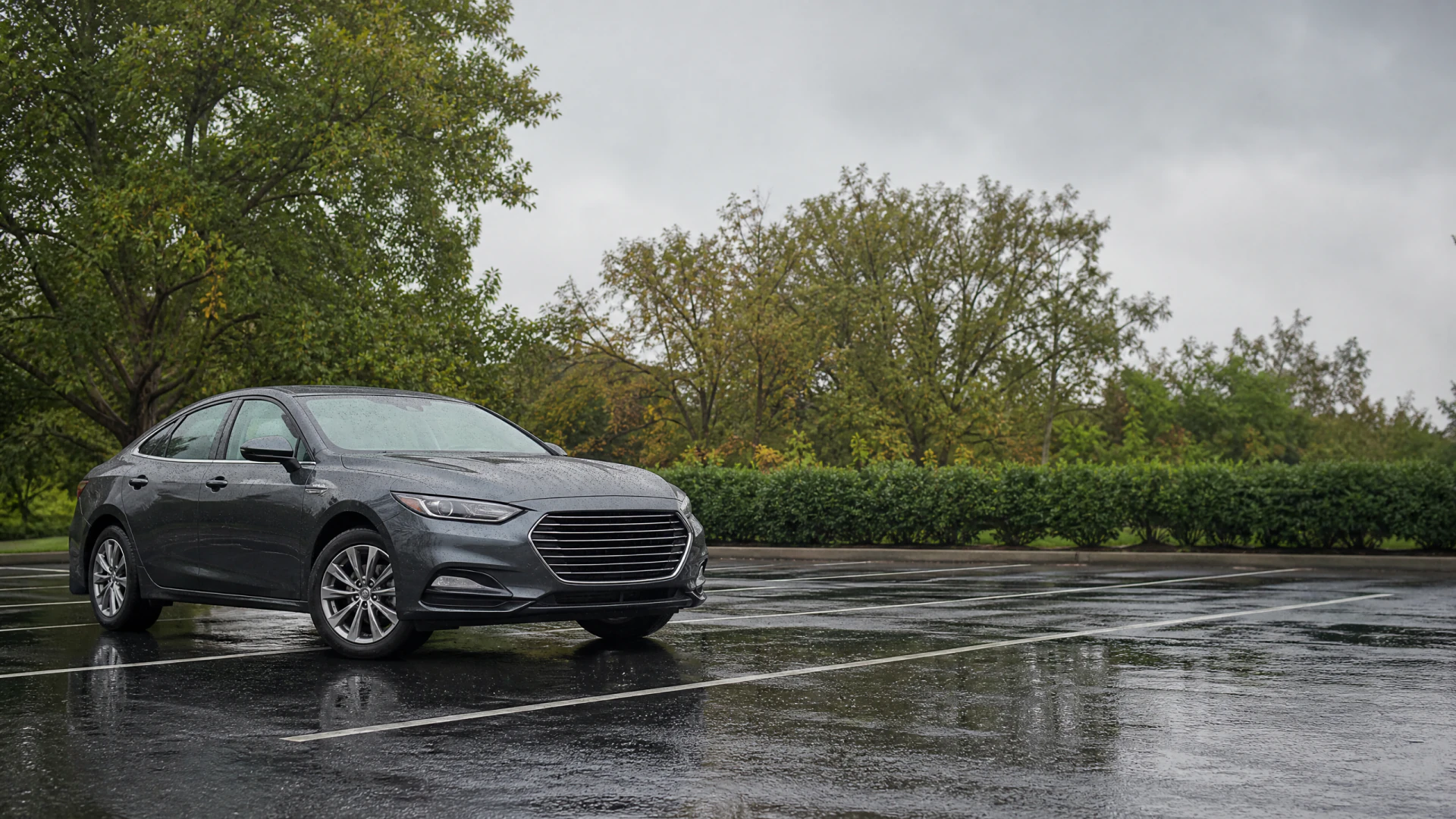
What Should Retirees Do With Their Car
The right move is to tell your insurer your driving has changed, then check that your coverage still matches the car and the driving you actually do now.
Free to compare
Tell your insurer what's changed
Once you retire, call your insurer and let them know. If you're no longer commuting, you're probably driving fewer miles than the policy assumes, and that can lower your premium. Insurers set rates partly on expected mileage, so a drop from daily commuting to occasional errands is worth reporting.
It's also a good time to look at the coverage itself, not just the price. A car you've had for years might be worth less than the coverage you're paying for, or you might be carrying coverage that made sense when you had a longer commute and now doesn't. None of this happens automatically. You have to call and ask.
How much you still drive
Mileage is one of the biggest things insurers use to set your rate, and retirement usually changes it more than people expect. No commute, fewer trips into an office, maybe a move to a smaller car for local errands. If your insurer is still rating your policy on commuter mileage, you could be paying for driving you no longer do.
Some insurers offer a lower rate for low annual mileage, and some have programs that track actual miles driven. Ask your insurer directly what they offer and what counts as low mileage in their eyes, since that threshold isn't the same everywhere.
If you've also added a second car to the household, or dropped down to one car, that changes things too. A household with one retired driver and one car looks different to an insurer than a two-car, two-commuter household, and the policy should reflect that.
When you call, have your average weekly driving in mind. Trips to appointments, groceries, visiting family. A rough estimate is enough to start the conversation.
Your driving record and any changes in health
Age by itself doesn't determine your rate. Insurers look at your driving record, and a long clean record still counts in your favor regardless of how old you are. If you've had a recent ticket or accident, that will affect your premium more than your birthday will.
Some states require vision tests or other checks at renewal time for older drivers, and some insurers ask about health conditions that affect driving. This varies by state and by insurer, so ask yours directly what applies to you rather than assuming a rule you heard about applies everywhere.
Many insurers also offer a discount for completing an approved defensive driving or mature driver course. The course itself doesn't lower your rate. You have to send the completion certificate to your insurer afterward, and that step is easy to skip.
If you're driving less because of a change in vision or health rather than retirement itself, say that too. It can affect both your mileage estimate and what coverage makes sense for you now.
Questions people ask about this
Should I drop collision coverage on an older car?
It depends on what the car is worth and what you'd do if it were totaled. If the car's value is low, collision coverage might cost more over time than it would ever pay out. Check your car's current value and compare it to what you're paying for that coverage before deciding.
Does my car insurance change if I move to a retirement community or downsize my home?
It can, because insurers rate partly on where the car is kept and parked overnight. A move to a different neighborhood, a community with a shared garage, or a different state entirely can change your rate. Tell your insurer your new address as soon as you move.
Will my insurer lower my rate automatically when I retire?
No. Insurers rate your policy based on what you've told them, and if you haven't updated them your policy likely still reflects your old commute and driving pattern. You have to call and report the change yourself.
Should I switch to a smaller or older car in retirement to save on insurance?
A smaller, less expensive car often costs less to insure, but the savings depend on the specific car and your coverage choices. Ask for a quote on the specific vehicle you're considering before assuming it will cost less.
What happens to my car insurance if I stop driving altogether?
If you still own the car, you'll likely need to keep some coverage on it even if you're not driving, since lapses in coverage can affect future rates and some states require continuous coverage on a registered vehicle. If you're selling the car or giving up the license, ask your insurer what happens to the policy and whether anything is refunded.
See what your driving looks like now to a few different insurers.
Call your current insurer this week and tell them your driving has changed since retiring. Have a rough estimate of your weekly mileage ready, along with your car's mileage reading. Ask whether you qualify for a low-mileage discount and whether a defensive driving course would lower your rate, since you'll need to send them the certificate yourself if you take one. While you're at it, ask what your car is currently valued at so you can decide if collision and comprehensive coverage still make sense. Then compare that quote against a couple of others to see where you stand.