Does Moving to a Hurricane State Raise Car Insurance?
Yes, in most cases, because insurers price in the risk of storm and flood damage to your car where you live now.
Free to compare
Your rate will likely go up
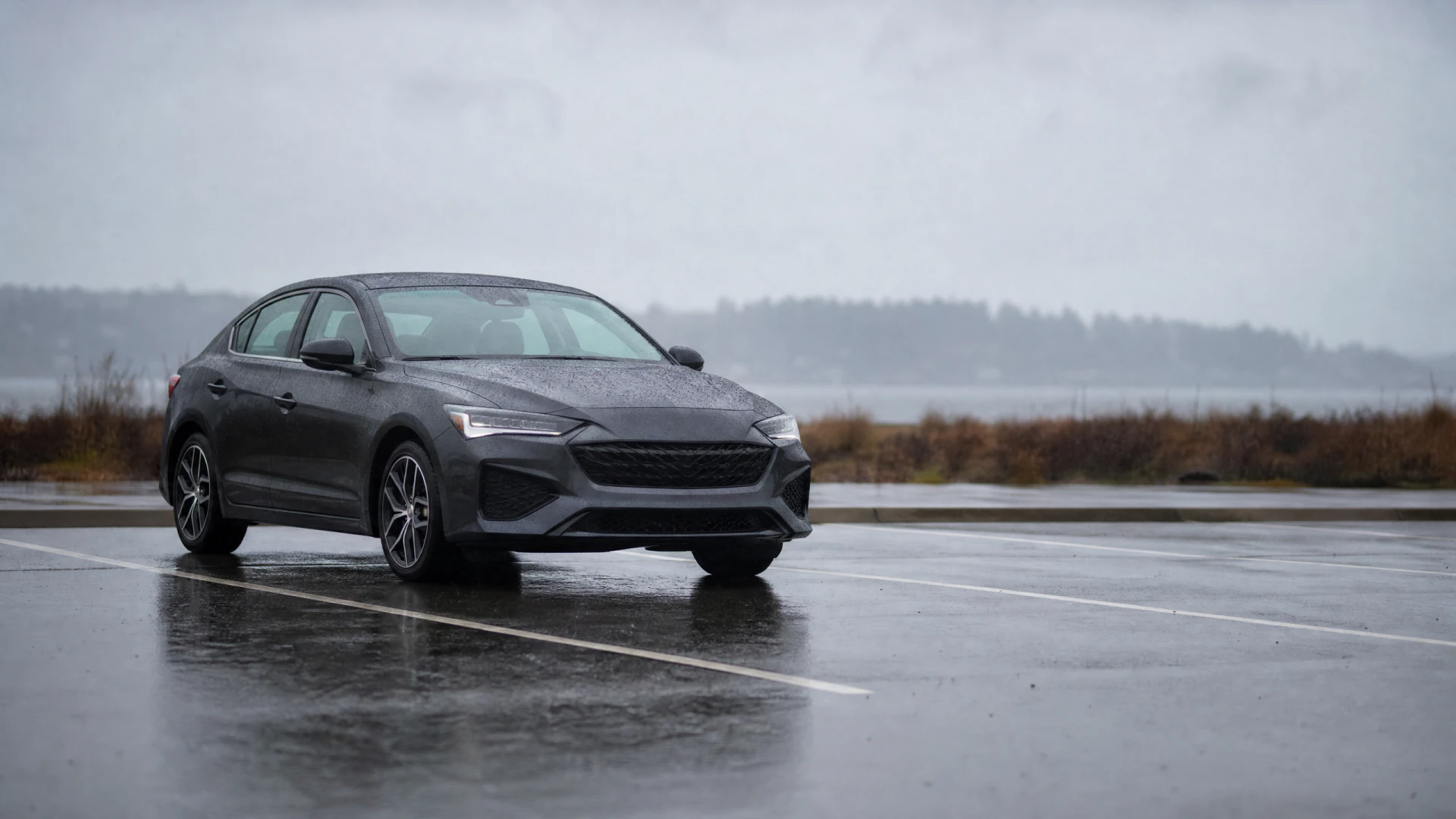
Car insurance is priced by location, and a state with regular hurricane activity carries a higher risk of wind, flood, and flying debris damage to parked and moving cars. Insurers build that risk into their rates for everyone in the area, not just drivers who've filed a storm claim before.
How much it changes depends on the state, the specific area within it, and which insurer you choose. Coastal counties usually cost more than inland parts of the same state. Ask any insurer you're considering for a quote based on your new address before you move, so you know what to expect.
Comprehensive coverage is where the increase shows up
Hurricane risk mostly affects comprehensive coverage, the part of your policy that pays for damage from weather, flooding, and falling objects rather than collisions. If your current policy carries only minimal comprehensive coverage, you may not have felt the cost of that risk yet.
In a hurricane state, consider whether your comprehensive coverage is adequate for a car that could sit through a storm. A higher deductible can lower your premium, but it also means more out of pocket if your car is damaged.
Some drivers in these states choose to carry comprehensive coverage even if their car is paid off and the lender no longer requires it. That's a personal decision based on how much you could afford to repair or replace the car yourself.
Your specific address matters more than the state line
Two people moving to the same state can see very different rates. A home a few miles from the coast, in a flood zone, or in an area with a history of storm claims will usually cost more to insure than one further inland or on higher ground.
Before you move, get a quote for the exact address, not just the city or state. Insurers rate by zip code and sometimes by more specific flood and wind zones, so the number can shift once you have a firm address.
If you're choosing between two homes in the new state, ask each insurer how the address itself affects the quote. It may be a real factor in deciding where to live.
Questions people ask about this
Does my car insurance cover hurricane damage automatically?
Only if you carry comprehensive coverage, since liability alone does not cover weather or flood damage to your own car. Check your current policy's declarations page to see if comprehensive is included, and if not, ask your insurer what it would cost to add it before you move.
Will evacuating before a hurricane affect my insurance?
Evacuating itself does not affect your policy or rate. What matters is whether your car is damaged and whether you file a claim, since a storm-related claim can affect future renewals depending on the insurer's rules. Ask your insurer how they treat weather claims specifically.
Can I get dropped by my insurer after a hurricane claim?
It depends on the insurer and the state's rules on nonrenewal after a weather-related claim. Some states limit how soon an insurer can decline to renew you after a storm claim. Check with your state's department of insurance for the specific rule where you're moving.
Does a hurricane-rated roof or garage lower my car insurance?
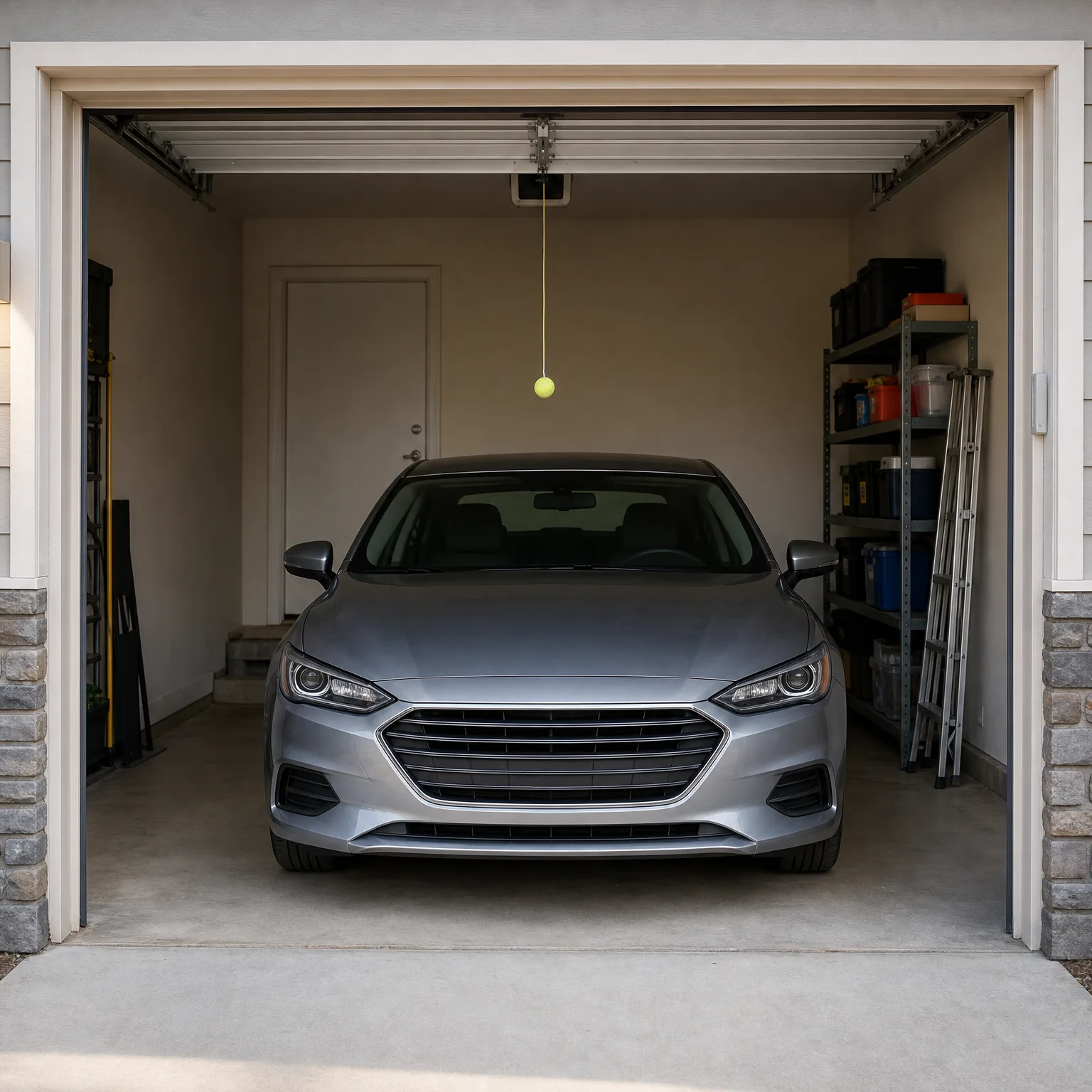
A garage or carport that protects your car from hail and debris may lower your comprehensive premium, since it reduces the chance of a weather-related claim. Ask your insurer directly whether covered parking is something they factor into the rate, since not all of them ask about it.
Should I shop for insurance before or after I move to a hurricane state?
Get quotes before you move, using your new address, so the cost is part of your decision rather than a surprise afterward. Rates can vary enough between insurers in these states that comparing a few before you commit to a home is worth the time.
See how your new address changes the cost before you commit to it.
Get your new address in hand, down to the street, before you request any quotes. Call your current insurer and ask if they write policies in the new state, since staying with the same company can sometimes simplify things. Ask each insurer you compare how they rate comprehensive coverage for that specific address and whether the home sits in a flood zone. Find your state's department of insurance website and look up its rules on weather-related claims and nonrenewal. If you're choosing between a few homes, get a quote for each address so the insurance cost is part of that decision, not something you learn afterward.