
Will My Car Insurance Go Up if I Change My Address
Your rate can go up, go down, or stay the same, because it follows the address, not the move itself.
Free to compare
It depends on where you're moving, not that you're moving
Changing your address can change your premium, but it isn't automatic. Insurers price a policy partly on where the car is kept overnight, because that location carries its own record of theft, accidents, and claims. If you move somewhere with more of those, your rate can rise. If you move somewhere with fewer, it can drop.
What it depends on is the new location itself, and the insurer you're with. Two companies can weigh the same move differently, because they don't all rate areas the same way. The only way to know what your move does to your rate is to tell your insurer the new address and see the new number.
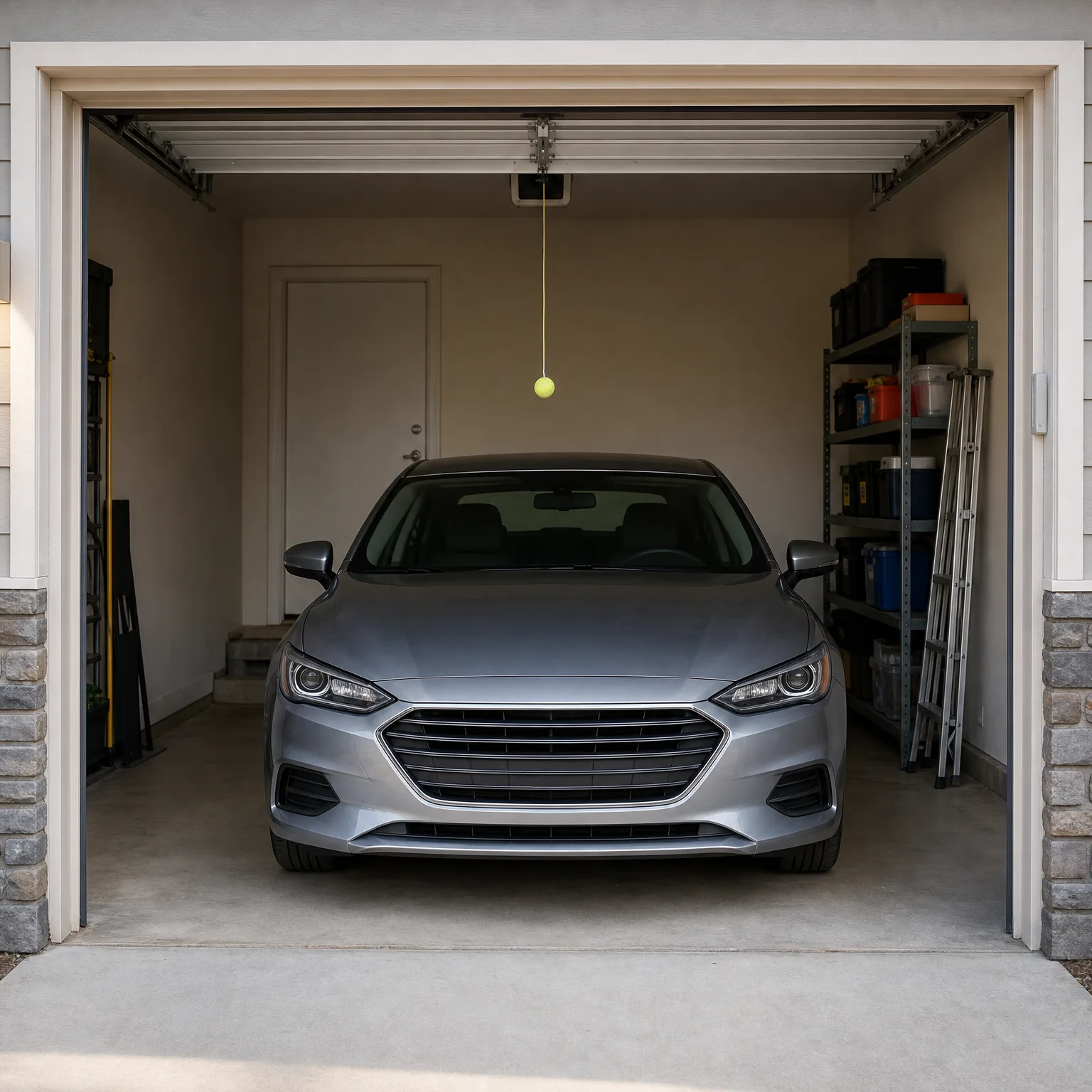
The new address is what the insurer is actually rating
Insurers group addresses by risk. That includes how often cars are stolen or broken into nearby, how many accidents get reported, and how often people in that area file claims at all. None of that is about you personally. It's about the location.
This is why two people with identical driving records can end up with different premiums after moving to different neighborhoods, even in the same city. A quiet suburban street and a dense area with more traffic and break-ins won't be priced the same way.
If you're moving to a new state, there's another layer. States set their own minimum coverage rules, and some require coverages others don't. Your policy may need to change just to stay legal in the new state, separate from anything about risk.
Before you move, you can ask your insurer what the new address would do to your premium. Most can give you a number once you tell them where you're headed, before the move happens.
What people get wrong about reporting the change
Some drivers wait to update their address until renewal, thinking it's not urgent. That's a mistake for two reasons. First, if you're in an accident and your insurer finds out you were living somewhere you never reported, they can question the claim or the policy itself. Second, if your new address actually qualifies you for a lower rate, you're paying more than you need to until you tell them.
Others assume moving a short distance, say across town, won't matter. Sometimes it doesn't. But rating areas can have real boundaries within a single city, so a move of a few miles can still cross into a different pricing zone.
If you're moving in with a family member or an adult child, ask your insurer how that affects the policy. Depending on who else is in the household and whether they drive the car, your policy might need to list another driver, which is a separate issue from the address itself.
The safest approach is to report the move as soon as you know the new address, not after you've settled in. It gives you an accurate rate sooner and avoids any question about where you were actually living if something happens in between.
Questions people ask about this
Do I have to tell my insurer every time I move?
Yes. Your policy is tied to the address where the car is kept, and insurers expect that to be current. Not reporting a move can cause problems with a claim later, even if the move itself wouldn't have changed your rate much.
Can I keep my old insurer if I move to a new state?
That depends on whether your insurer writes policies in the state you're moving to. Some companies operate nationally and can simply update your policy. Others don't sell in every state, and you'd need to find a new insurer there. Ask your current company directly before you move.
Will my rate change if I move to a different city in the same state?
It can, because rating areas are often smaller than a state or even a city. Ask your insurer for a quote at the new address before you move, so you know what to expect rather than finding out at renewal.
Does moving affect my coverage limits or what's required of me?
It can, if you're crossing state lines, since each state sets its own minimum coverage requirements. Even within the same state, your current coverage may not change, but it's worth confirming with your insurer that nothing about the new address requires a different policy.
What if I'm moving in with my adult child or another family member?
Tell your insurer about the new household, not just the new address. If another driver in the home will use the car, or if the car itself is garaged somewhere new, your insurer needs both pieces to rate the policy correctly.
See what your new address would actually do to your rate before you move.
Have your new address ready, along with your current policy details, and ask your insurer for a quote at that address before moving day. If you're crossing state lines, ask whether your current insurer operates there, and if not, start looking for one that does. Keep a copy of your moving date in case you need to show when your address changed. Once you're settled, confirm the updated premium in writing so there's no confusion at your next renewal. If the new quote is high, it's worth comparing what other insurers would charge for the same address.