Why Car Insurance Went Up After a Move
A move changes your rate because your new address carries its own risk numbers, separate from anything about you.
Free to compare
Your address is its own rating factor
Car insurance is priced partly by where the car is parked overnight. When you move, your insurer recalculates your rate using the claims history, theft rates, accident frequency, and repair costs tied to your new location. None of that has to do with how you drive.
This is why two people with identical records can pay different amounts once they live in different places. If your new area has more accidents, more theft, or costlier repairs reported to insurers, your premium reflects that, even if your own driving hasn't changed at all.

Whether you moved to a different rating territory
Insurers divide states into rating territories, sometimes as small as a zip code or a few blocks. Moving across town can put you in a new territory even if the drive to your old house takes ten minutes.
If your new territory has a history of more claims, higher repair costs, or more severe weather damage, your rate moves with it. This is set by the insurer's own data for that territory, not by anything about your household.
If you moved to a different state entirely, more changes than just the territory. Each state sets its own minimum coverage requirements, and some require coverages your old state didn't. Your policy has to meet the new state's rules, which can raise or lower what you pay regardless of the neighborhood.
Ask your insurer to show you what changed. Some will break out the territory adjustment separately from other factors, which tells you how much of the increase is really about the address.
Where your car is parked and how far you commute
Your insurer also asks where the car sits overnight and how many miles you drive to work or school. A move often changes both, even if you didn't expect it to.
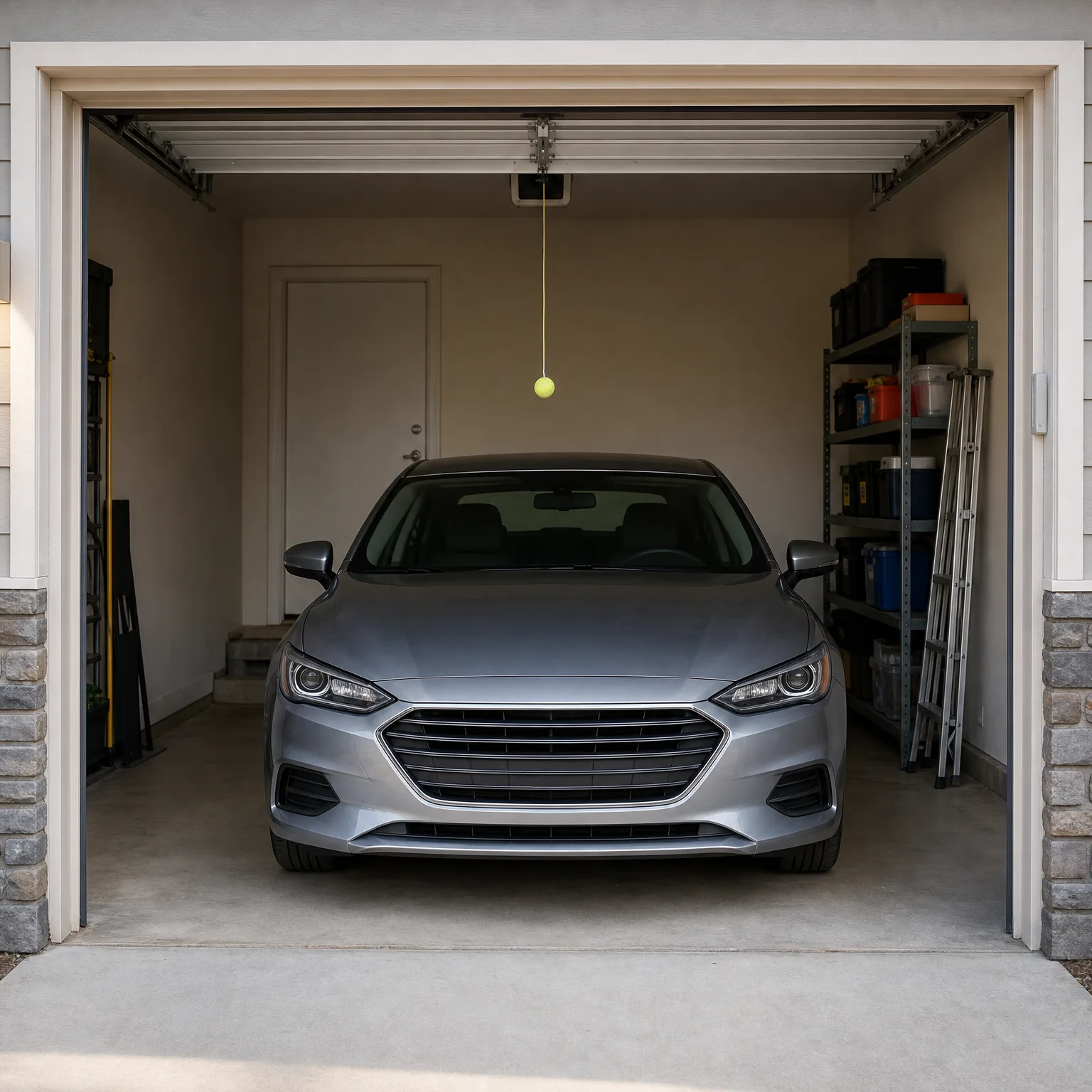
A longer commute means more time on the road, which insurers treat as more exposure to a claim. Parking on the street instead of in a garage, or in a denser area with more traffic, can raise the theft and collision risk your insurer assigns to the car.
If your move shortened your commute or moved the car off the street and into a garage, tell your insurer. That's a reason your rate could go down, and it won't happen automatically unless you report the change.
Check that your policy reflects your actual parking situation and commute distance. An old entry from your previous address won't correct itself when you move.
Questions people ask about this
Do I have to tell my insurer when I move?
Yes, you're required to report a change of address to your insurer, usually within a set number of days set by your policy or your state. Driving on a policy with the wrong address can affect how a claim is handled, so it's worth doing as soon as you have the new address confirmed.
Can I keep my old insurer after moving to a new state?
It depends on whether your insurer writes policies in your new state. Not every company operates in every state, so you may need to switch insurers entirely rather than just updating your address. Ask your current insurer directly whether they cover your new state.
Will my rate go down if I move somewhere safer?
It can, since insurers price by the claims and accident data tied to an area. If your new location has less traffic, lower crime, or fewer severe weather claims, that can lower your premium, but the only way to know is to ask your insurer for a new quote based on the address.
Why did my coverage requirements change when I moved states?
Each state sets its own minimum car insurance requirements, and some also require coverages that others don't. When you move states, your policy has to be brought up to that state's rules, which can change your premium independent of anything about your driving record.
Should I shop for new quotes after a move or just let my insurer adjust the price?
Getting new quotes is worth doing, since rating territories and risk data vary by insurer, not just by location. One company may weigh your new address very differently than another, so a move is a reasonable time to compare rather than assume your current policy is still the best price.
See how your new address changes your options before you renew.

Pull up your current policy and check what address and commute mileage it has on file, since those may still reflect your old home. Contact your insurer to report the move formally and ask them to explain what changed in your rate, including whether it was the territory, the commute, or something else. If you moved to a new state, ask whether your current insurer writes policies there and what coverage minimums apply. While you're at it, get a few quotes from other insurers using your new address, since territory pricing varies by company. Have your old policy, your new address, and your mileage estimate ready when you call or request quotes.