Does Your Garaging Address Matter for Car Insurance
Your garaging address is the main thing your insurer uses to price your policy, so it has to be where the car actually stays overnight.
Free to compare
Yes, it matters a great deal
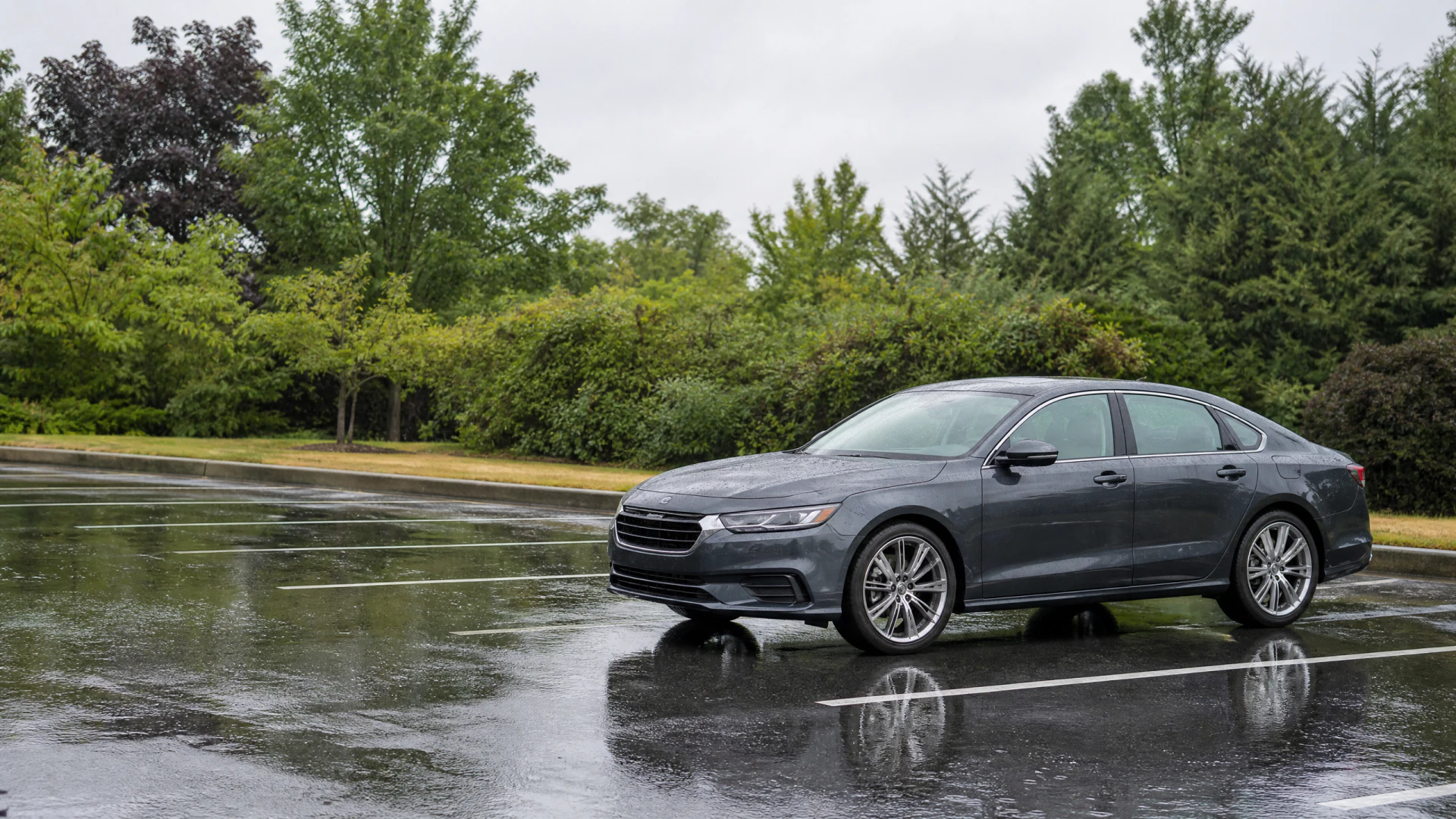
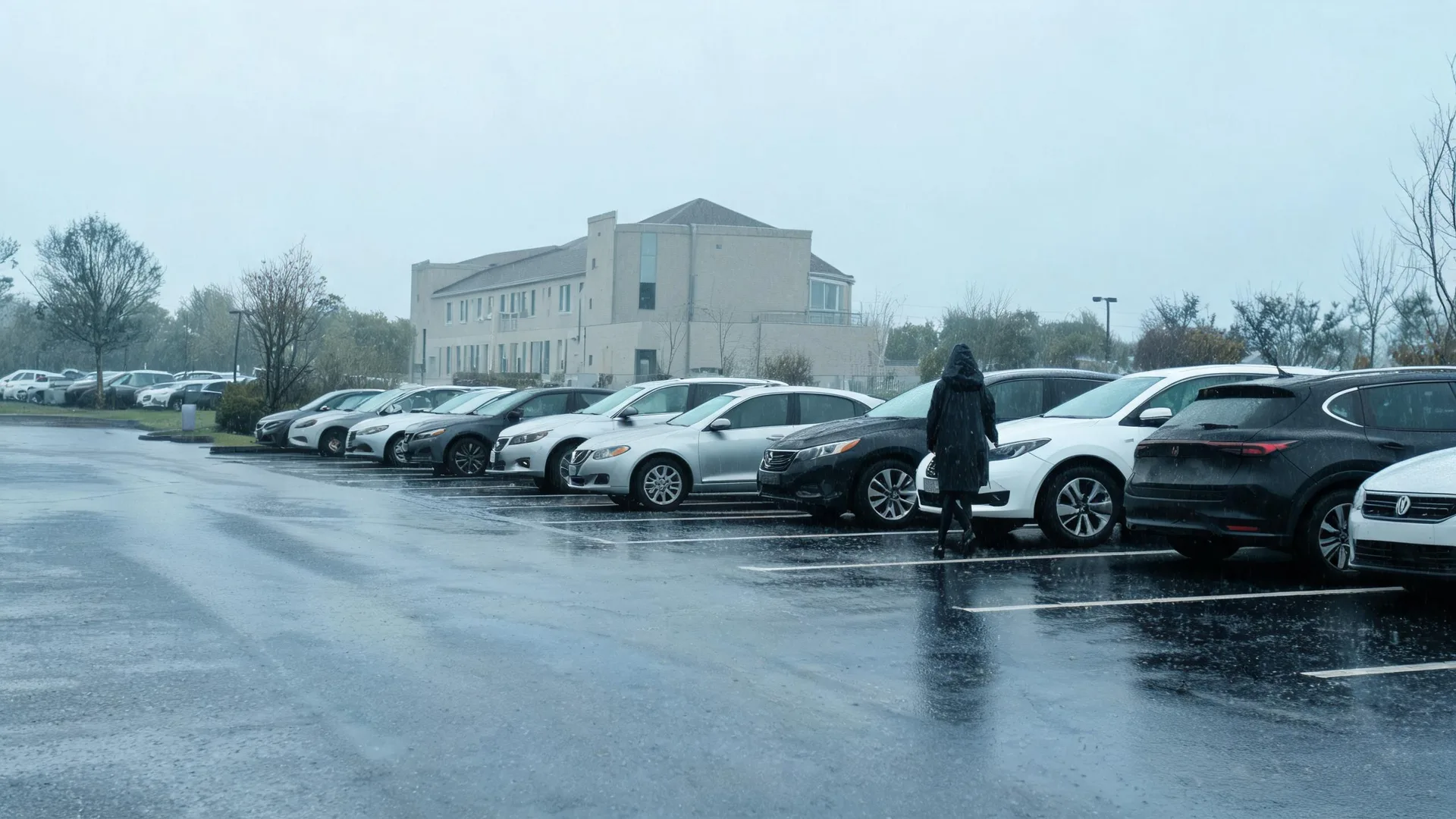
The garaging address is where your car is parked most nights, not where you're registered to vote or where your mail goes. Your insurer uses it to judge theft risk, accident rates, weather exposure, and what repairs cost in that area. Two people with the same driving record can pay very different amounts because one parks in a dense city neighborhood and the other parks in a rural driveway.
This holds the same way for an older driver as for anyone else. What changes for someone who has moved, perhaps to be closer to family or into a retirement community, is that the garaging address sometimes gets overlooked during a move when so much else is being updated. The address on file needs to match reality, not just the mailing address you gave the post office.

Whether the address on file is actually correct
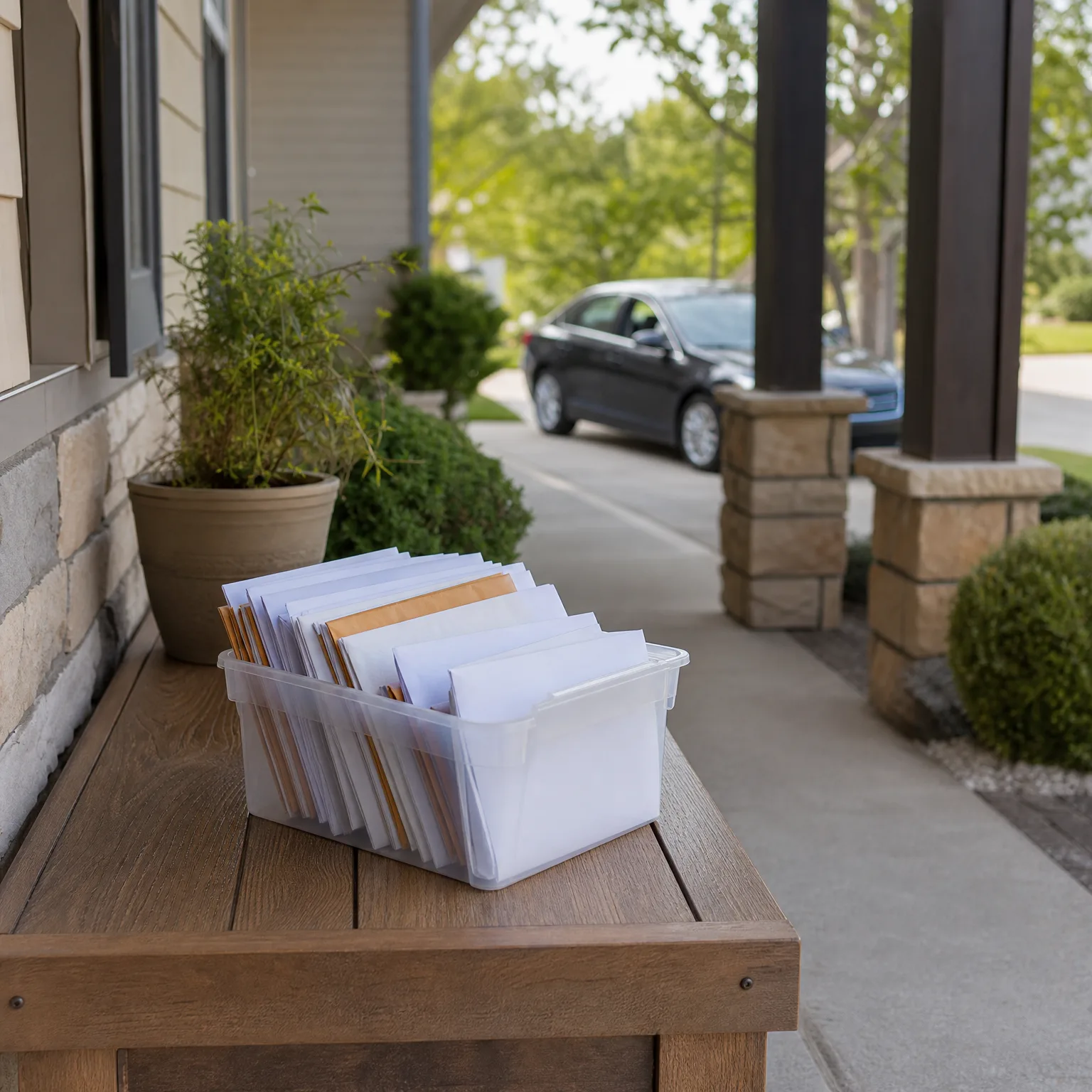
If you've moved, even within the same town, your garaging address may not have been updated unless you specifically asked for it. Updating your mailing address with your insurer does not automatically change the address used to calculate your rate.
Call your insurer and ask directly what garaging address they have on file. If it's wrong, correcting it could lower your premium or raise it, depending on where you moved. Either way, having the right address means your coverage is sound if you ever need to file a claim.
This matters more for drivers who split time between two homes, such as a summer place and a winter home. The address you report should be where the car spends most nights, not wherever you happen to be when you renew the policy.
If a family member helps manage your policy and recently changed the mailing address or billing details, check that the garaging address was updated too. These are often separate fields in the insurer's system.
What happens if the address is wrong when you file a claim
An inaccurate garaging address can complicate a claim, since the insurer may ask why the car was kept somewhere other than what the policy states. This is more likely to come up if the mismatch is significant, like listing an address in one state while the car is actually kept in another.
This is a real concern for drivers who move to live with an adult child or into a care facility but keep the car registered at a prior address for convenience. If that's your situation, it's worth asking your insurer directly how they want it handled, since the answer can depend on the state and the insurer's own rules.
Moving a car temporarily, such as parking it at a relative's house for a few weeks, is different from a permanent change in garaging address and usually doesn't need to be reported. The issue is the address where the car normally spends its nights over the long run.
Questions people ask about this
Does garaging address affect insurance differently for a seasonal home?
Yes, if you spend significant parts of the year at a second home, the car's primary garaging address should reflect where it stays most. Ask your insurer how they want seasonal changes handled, since some allow you to report a secondary address and others want the primary one updated each time you switch.
Can I use a family member's address as my garaging address?
Only if the car is actually kept there most nights. Listing an address where the car doesn't regularly stay is a misrepresentation, and it can affect a claim later. If you're considering this because of where you live now, check with your insurer about how they classify your actual living situation.
Does my garaging address affect my coverage if I'm in an accident out of state?
No, your coverage still applies when you drive outside the state your car is garaged in. The garaging address sets your rate and is tied to the state's requirements, but your policy travels with the car.
What happens to my garaging address if I move into assisted living but keep my car?
You'll need to report the new address where the car is actually kept, even if that's a facility rather than a private home. Ask the facility and your insurer how they handle this, since some facilities have specific parking arrangements that insurers want noted.
Does a detached garage versus street parking change my garaging address rate?
The address itself matters more than whether the car sits in a garage or on the street, but where you park it at that address can also factor in. Ask your insurer whether they ask about off-street versus street parking specifically, since this varies by insurer.
If you've moved or you're not sure your address on file is right, see what accurate information could mean for your rate.

Find your most recent renewal notice or policy declarations page and check the garaging address printed on it. Compare that against where the car actually spends most nights right now. If it's wrong, call your insurer this week and ask them to correct it, since this is not something that updates automatically when you change your mailing address. If you split time between two residences, ask them directly how they want that reported. Keep a copy of the updated declarations page once it's corrected, since that's your proof of what was on file if a question ever comes up during a claim.