Does Parking in a Garage Lower Car Insurance?
Some insurers lower your rate for garage parking, but only if they ask about it and you tell them.
Free to compare
It depends on whether your insurer asks
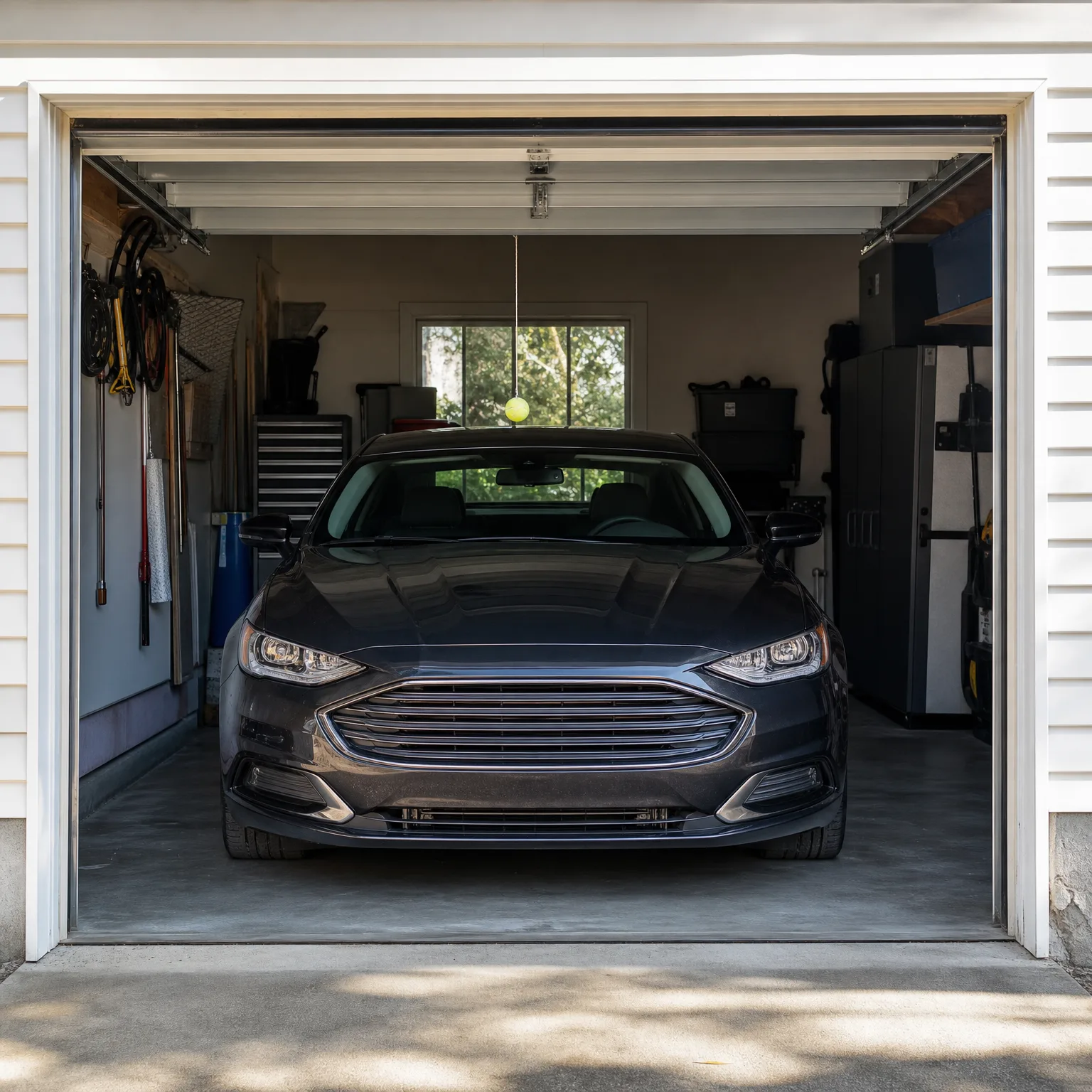
Garage parking can lower your premium, but only with insurers that actually factor in where you park overnight. Some ask where the car is kept and adjust the rate for off-street or enclosed parking. Others don't ask at all, and garage parking makes no difference to what you pay.
The reasoning is simple. A car kept in a garage is less likely to be stolen, vandalized, or damaged by hail or a stray shopping cart. Insurers that track those claims by parking type will sometimes reward it. If your insurer doesn't ask the question, there's nothing to tell them and nothing to adjust.
Whether your insurer tracks parking location at all
Not every insurer collects this information. Some ask during the quote process where the car is parked overnight, whether that's a garage, a driveway, or on the street. If they ask, they're using the answer in their pricing.
If your insurer never asked, check your policy declarations page or call and ask directly whether garage parking affects your rate with them. Some will let you update this detail mid-policy if your situation changed, say you moved or started renting a garage spot.
If you're comparing insurers, this is worth asking about upfront. One company might price it in, another might not, and you won't know unless you ask each one the same question.
What counts as a garage, and whether you can prove it
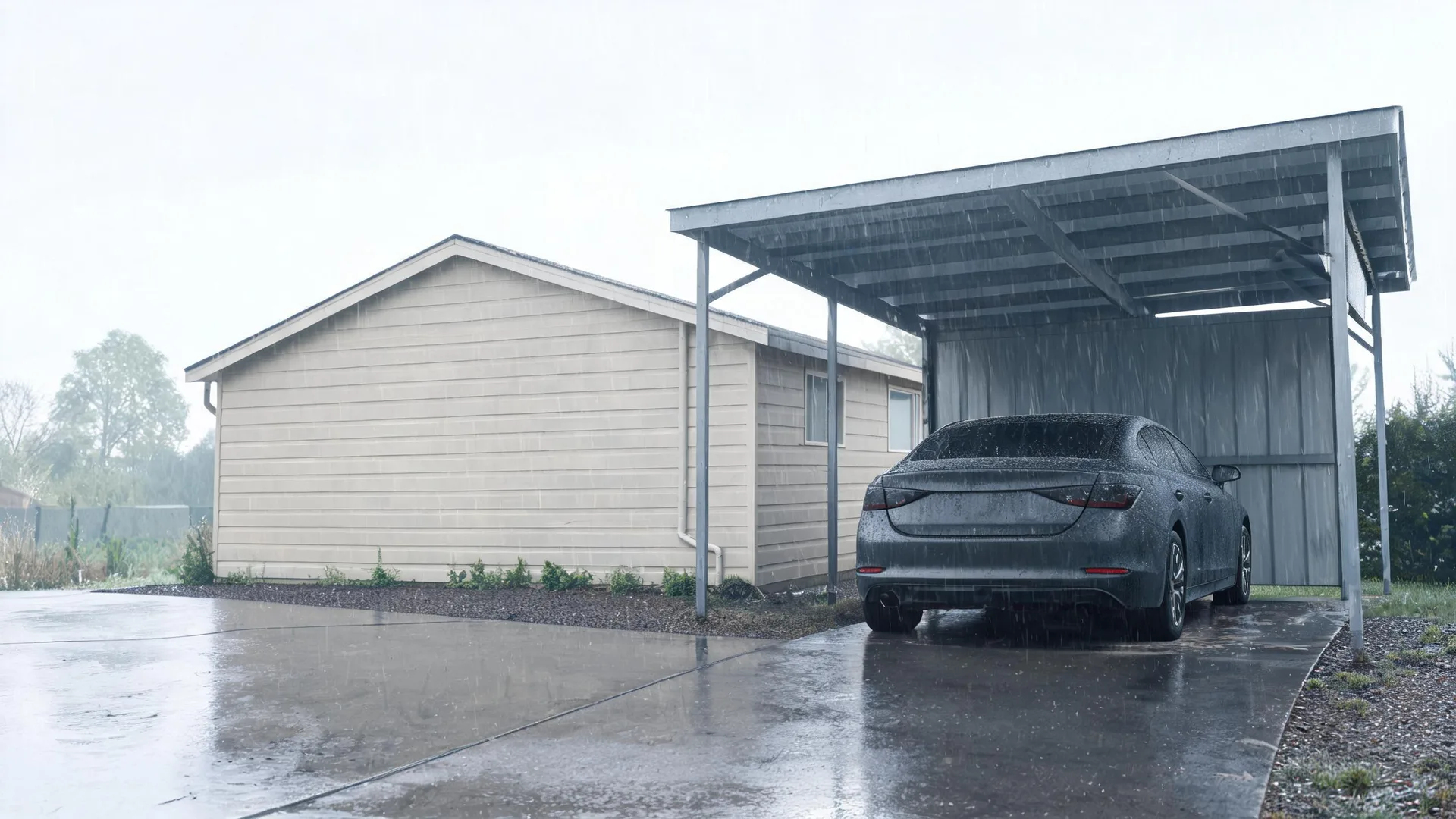
Insurers that do factor in parking location usually want a real structure, an attached or detached garage, not just a covered carport or a spot under an awning. Check what your insurer's definition is before you assume you qualify.
Some insurers may ask you to confirm this only once, at the time you set up the policy. Others could ask again at renewal or if you move. Keep in mind that telling them inaccurately, say claiming garage parking when the car actually sits on the street, is the kind of thing that can cause problems if you ever file a claim and the address or parking details don't match up.
If you share a garage with another vehicle or rotate where the car sleeps depending on the night, it's worth asking your insurer how they want you to answer. The honest answer, even if it's
Questions people ask about this
Does a carport count the same as a garage for insurance?
Usually not, but it depends entirely on your insurer's definition. A carport offers less protection than an enclosed garage, so insurers that price by parking type often draw a line between the two. Ask your insurer directly how they classify a carport before assuming it qualifies.
Will my rate go up if I stop parking in a garage?
It can, if your insurer uses parking location in pricing and you update them on the change. If you move somewhere without a garage, your risk of theft or weather damage may be higher, and an insurer that tracks this could adjust your premium. If your insurer never asked about parking in the first place, this change likely won't affect your rate.
Do I have to tell my insurer where I park my car?
You generally need to answer accurately if your insurer asks, since that information affects how they price your risk. If they don't ask, you're not required to volunteer it. Check your policy documents or ask your agent whether parking location is something they collect and use.
Does renting a garage spot count the same as owning one?
It depends on your insurer, but many don't distinguish between renting and owning as long as the car is reliably parked in an enclosed structure overnight. What usually matters more is whether the spot is consistent and secure. Ask your insurer whether a rented spot qualifies the same way.
Can I get a discount just for having a garage at home, even if I don't always use it?
Some insurers price based on where you typically park, not just whether a garage exists at your address. If you own a garage but routinely leave the car in the driveway, tell your insurer the truth about your habits. Misreporting this could cause issues if you ever need to file a claim.
See which insurers ask about parking and which don't, before you commit to one.
Find your current policy's declarations page and see if it lists where your car is parked overnight. If it doesn't, call your insurer this week and ask whether garage parking affects your rate with them specifically. If you're shopping for new coverage, ask every insurer you compare the same question, since the answer varies by company. Have your garage type ready to describe, attached, detached, or shared, since that detail can matter. If you recently started parking in a garage and your current insurer wasn't told, let them know and ask if it changes anything.