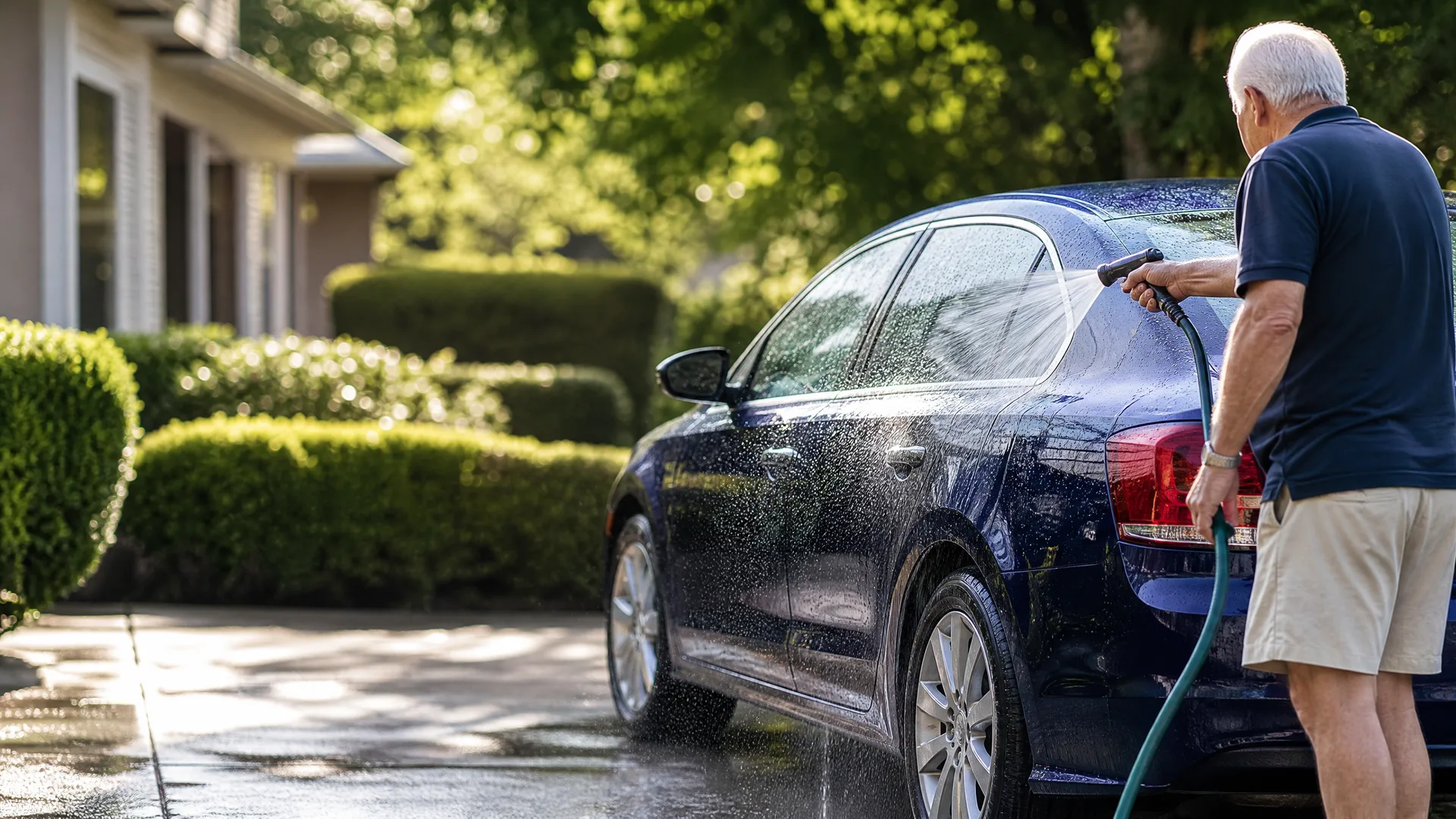
Maine License Renewal at 70: Vision Rules and Insurance Impact
Free to compare
What Changes at Your Age 70 License Renewal in Maine
Maine requires you to renew your driver's license in person once you turn 70, ending the online and mail renewal options you've used for years. The Maine Bureau of Motor Vehicles mandates a vision test at this renewal and every subsequent renewal cycle. You'll need to pass a visual acuity test of at least 20/40 in one or both eyes combined, with or without corrective lenses.
The renewal cycle itself doesn't shorten — Maine still issues licenses valid for six years to drivers 70 and older who pass the vision requirement. If you currently wear glasses or contacts for driving, bring them to your appointment. If you fail the initial screening, the BMV allows you to return with a vision report from your eye care provider within 60 days to complete the renewal.
This in-person requirement catches many Maine seniors off guard at renewal time. The state doesn't send advance notice explaining the policy change — your renewal notice simply instructs you to visit a BMV branch instead of offering the online option you used at 64.
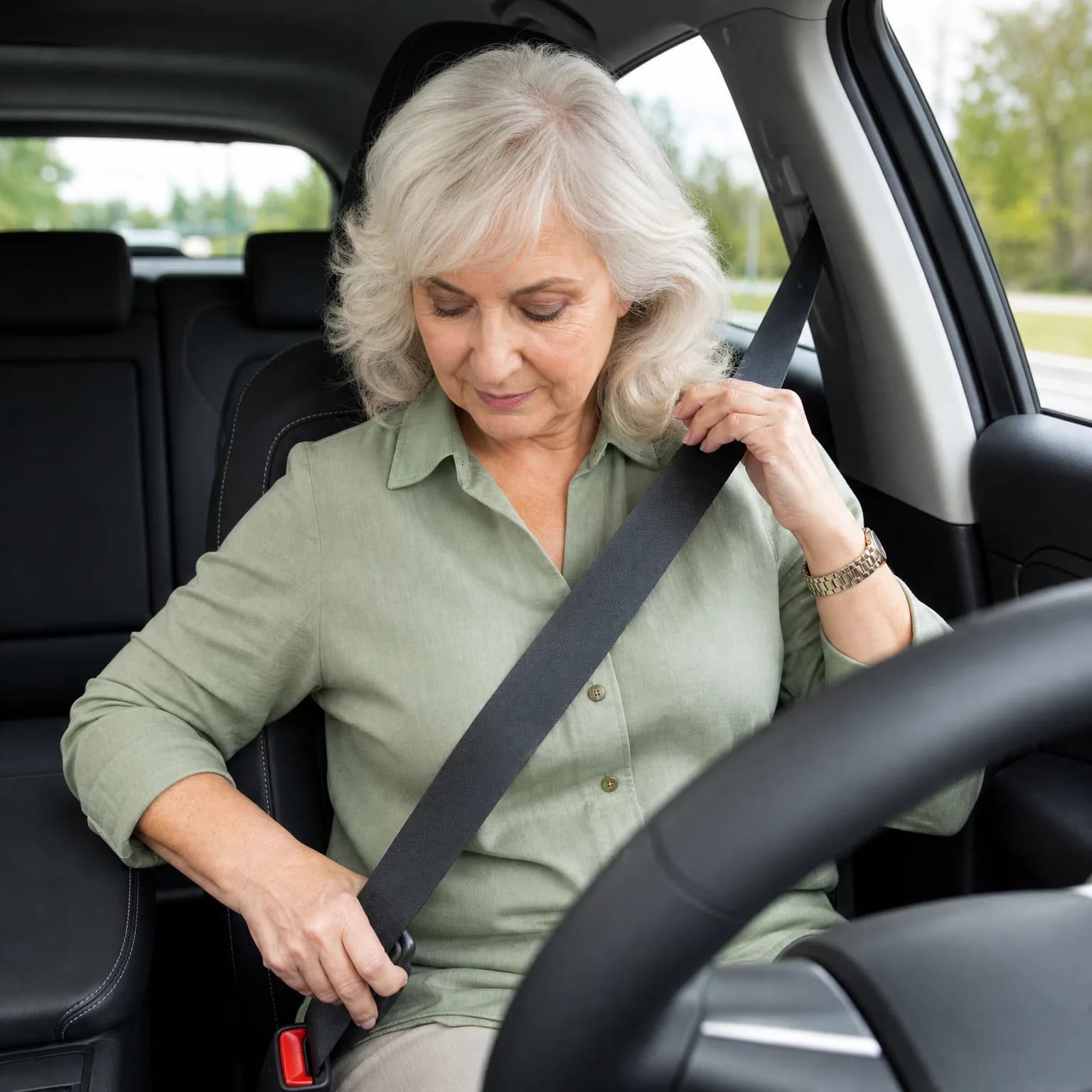
Maine's Vision Standards and What Happens If You Don't Meet Them
Maine's 20/40 visual acuity standard applies to your best corrected vision, meaning you can wear glasses or contacts during the test. If you meet 20/40 in at least one eye, you pass. Drivers who test between 20/50 and 20/70 may receive a restricted license limiting daytime driving only. Vision worse than 20/70 typically results in license suspension until corrected.
The BMV uses a standard vision screening machine at the counter — the same equipment used for younger drivers. If you don't pass, you receive a vision referral form to take to your optometrist or ophthalmologist. Your eye care provider completes the form confirming whether you meet the 20/40 standard with correction, and you return it to the BMV within 60 days to avoid license suspension.
Maine does not require additional road testing, cognitive screening, or medical clearance at age 70 unless the vision test reveals a problem or you have a specific medical condition reportable under state law. The vision test is the only new requirement most 70-year-old drivers face.

How Your License Renewal Affects Your Auto Insurance Rate
Passing your vision test and renewing your license doesn't prevent your insurance premium from increasing. Maine insurers typically raise rates for drivers between ages 70 and 75 by 12-18%, and some carriers increase premiums by 25-30% after age 75, even if your driving record remains clean and you pass all BMV requirements.
Carriers treat age 70 as an actuarial threshold. The rate increase isn't triggered by your renewal or vision test result — it's based on your birthdate and the insurer's age-based rating tier. Most Maine insurers apply this increase at your policy renewal following your 70th birthday, not at your license renewal. You may notice the premium jump six months before or after your BMV appointment depending on your policy anniversary date.
Your insurance company doesn't receive notification that you passed your vision test unless you fail to renew your license entirely, which would trigger a lapse in coverage. Successfully renewing your license maintains your insurability but doesn't offset the age-based rate adjustment most carriers apply automatically.
See What Drivers Over 65 Are Paying Now
See If You Qualify for DiscountsDiscounts That Offset Rate Increases for Maine Drivers Over 70
Maine law requires insurers to offer a mature driver course discount to policyholders 55 and older who complete an approved driver safety program. The discount typically ranges from 5-10% and applies for three years after course completion. AARP and AAA both offer state-approved courses available online or in-person, with completion certificates sent directly to your insurer.
Most Maine seniors don't claim this discount because carriers don't automatically apply it — you must request it and provide proof of completion. If you completed a mature driver course at age 65 and haven't retaken it, your discount likely expired. Retaking the course every three years maintains the discount and can recover $150-$300 annually on a typical Maine senior's premium.
Low-mileage discounts apply if you drive fewer than 7,500 miles per year, a threshold many retired Mainers meet after ending daily commutes. Some carriers now offer telematics programs that monitor actual driving behavior rather than relying on age alone. These programs can reduce premiums by 10-20% for drivers with smooth braking, moderate speeds, and limited night driving — all patterns common among experienced senior drivers.

Whether You Still Need Full Coverage After Your License Renewal
Maine doesn't require collision or comprehensive coverage on any vehicle regardless of driver age, but lenders mandate it on financed cars. If you own your vehicle outright and it's worth less than $4,000-$5,000, paying $800-$1,200 per year for full coverage often exceeds the maximum claim you'd receive after your deductible.
Carriers base collision and comprehensive payouts on actual cash value, which factors in depreciation. A 12-year-old sedan with 140,000 miles might carry a market value of $3,200. With a $500 collision deductible, your maximum net payout in a total loss is $2,700 — less than three years of premium costs for that coverage on a typical Maine senior's policy.
Liability coverage remains essential regardless of your vehicle's value because Maine requires minimum limits of 50/100/25 and because you remain personally liable for damages exceeding your coverage limits. Medical payments coverage becomes more valuable after 70 if you carry Medicare — it pays initial accident-related medical costs before Medicare processes claims, covering deductibles and copays that Medicare doesn't. Most Maine seniors benefit more from increasing liability limits and adding medical payments than from maintaining collision coverage on older paid-off vehicles.

What to Bring to Your Maine BMV Renewal Appointment
You'll need your current Maine driver's license, proof of residency showing your current address, and your Social Security number. Acceptable residency documents include a utility bill, bank statement, or property tax bill dated within the past 90 days. If your legal name differs from the name on your residency documents, bring marriage certificates, divorce decrees, or court orders explaining the discrepancy.
If you wear corrective lenses for driving, bring your glasses or contacts to the appointment — you'll use them during the vision screening. The BMV doesn't accept vision prescriptions in place of the in-person screening, even if your prescription is recent. If you have a medical condition that affects your driving or vision, bring documentation from your healthcare provider — the BMV may require medical clearance for certain conditions before renewing your license.
The standard renewal fee is $30 for a six-year license. Maine BMV branches accept cash, checks, and debit cards but policies on credit cards vary by location. Wait times at BMV branches average 30-45 minutes during peak hours, with shortest waits typically early morning on Tuesdays through Thursdays.
Frequently Asked Questions
Does Maine require a road test at age 70 license renewal?
No. Maine requires only an in-person vision test at age 70 renewal, not a road test or written exam. You'll take the same vision screening used for younger drivers, needing at least 20/40 visual acuity in one or both eyes combined with corrective lenses if you wear them. Road testing is required only if a medical condition or accident history triggers a BMV review, not based on age alone.
How much does car insurance increase after age 70 in Maine?
Maine insurers typically increase premiums 12-18% for drivers between ages 70-75, with some carriers raising rates 25-30% after age 75, regardless of driving record. These increases are actuarial adjustments based on your birthdate, not your license renewal status. A mature driver course discount (5-10% for three years) and low-mileage programs can offset part of this increase if you qualify and request them.
Can I renew my Maine license online after turning 70?
No. Maine eliminates online and mail renewal options once you turn 70, requiring in-person renewal at a Bureau of Motor Vehicles branch for the mandatory vision screening. This policy applies at your first renewal after age 70 and all subsequent renewals. The license term remains six years if you pass the vision requirement.
What happens if I fail the vision test at my Maine license renewal?
You receive a vision referral form to take to your eye care provider, who determines whether you meet Maine's 20/40 standard with corrective lenses. You have 60 days to return the completed form to the BMV. If your corrected vision meets 20/40, your license renews normally. Vision between 20/50 and 20/70 may result in a daytime-only restriction, while vision worse than 20/70 typically leads to suspension until corrected.
Should I drop collision coverage on my paid-off car after turning 70?
If your vehicle is worth less than $4,000-$5,000 and you own it outright, collision coverage often costs more over 2-3 years than the maximum claim you'd receive after your deductible. Maine doesn't require collision coverage by law — only lenders mandate it. Most senior drivers benefit more from increasing liability limits and keeping comprehensive coverage for non-collision losses than paying for collision on older vehicles with depreciated values.
Related Articles

Maine License Renewal at 85: Testing & Insurance Impact
4/29/2026

Maine Vision Test for Senior License Renewal Guide
4/29/2026

Maine License Renewal at 75: Medical Tests & Rates
4/29/2026

MA License Renewal at 70: Vision, Tests & Insurance
4/29/2026

Maine License Renewal at 80: Road Test Requirements
4/29/2026

Vermont License Renewal at 70: Vision Test & Insurance
4/29/2026