
License Renewal at 70 in Oklahoma: What Actually Changes
Free to compare
What Changes at Your License Renewal After Age 70 in Oklahoma
Oklahoma requires you to renew your driver's license in person every four years once you turn 65, with mandatory vision testing at every renewal. The state does not impose road tests or written exams based solely on age. Your license remains valid for four years if you pass the vision standard of 20/40 in at least one eye with corrective lenses if needed.
The vision test happens at the Service Oklahoma location when you renew. If you wear glasses or contacts to meet the 20/40 threshold, the examiner adds a corrective lens restriction to your new license. This restriction is not a penalty—it simply documents that you must wear your prescribed lenses while driving, which most drivers over 70 already do.
Your insurance carrier receives notification of your renewal through state motor vehicle reporting systems, though not necessarily on the same day you renew. Carriers use renewal data to confirm your license remains active and to identify any new restrictions. The corrective lens restriction itself does not trigger a rate increase, but some carriers adjust premiums for drivers over 70 regardless of restrictions, driving record, or claim history.
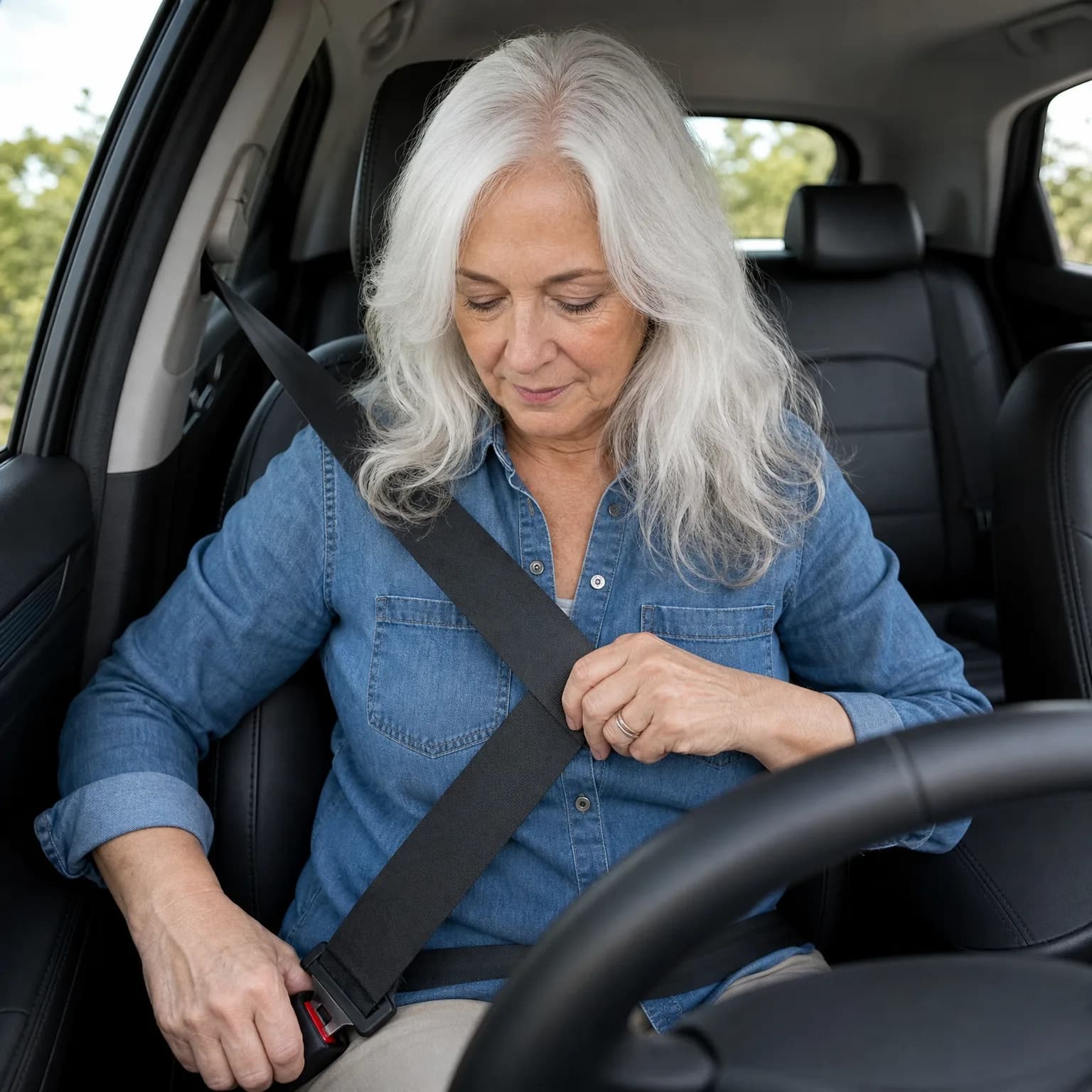
Oklahoma's Vision Standard Compared to Neighboring States
Oklahoma's 20/40 vision requirement is standard across most states, but enforcement and renewal frequency vary significantly. Texas requires vision testing only at first renewal after age 79, while Kansas mandates in-person renewal and vision testing every four years starting at age 65, identical to Oklahoma's current requirements.
Arkansas requires annual in-person renewal for drivers 70 and older, making Oklahoma's four-year cycle comparatively lenient. Missouri has no age-based in-person requirement and allows online renewal for drivers over 70 if they meet eligibility criteria, though vision testing is still required every renewal cycle.
The 20/40 standard means you can read the line on the vision chart that a person with normal vision can read from 40 feet away. If you currently wear glasses or contacts for distance vision, bring them to your renewal appointment. Forgetting corrective lenses is the most common reason drivers fail the vision test and must return for retesting.

How License Restrictions Affect Your Insurance Coverage
If your renewed license includes a corrective lens restriction and you are involved in an accident while not wearing your prescribed lenses, your liability coverage remains active—the carrier cannot deny third-party claims. However, collision and comprehensive claims become contestable. Carriers can reduce or deny payment if they determine the restriction violation contributed to the loss.
This is where most senior drivers encounter problems they did not anticipate. The corrective lens restriction appears on your license, your carrier knows about it through DMV reporting, but many drivers do not realize that operating a vehicle without corrective lenses when required constitutes a policy violation under the "terms and conditions" section most policies include.
If you previously did not have a corrective lens restriction and one is added at your age 70 renewal, contact your insurance agent or carrier directly to confirm the restriction is documented in your policy file. Some carriers update automatically through DMV data feeds, but others require you to report the change. Failing to report a new restriction does not void your policy, but it creates documentation gaps that complicate claims.
What Happens If You Don't Pass the Vision Test
Oklahoma allows you to retest immediately if you fail the vision screening, provided you can obtain corrective lenses or have your prescription updated. The Service Oklahoma examiner will refer you to an eye care professional if your vision does not meet the 20/40 standard with your current glasses or contacts.
You have 30 days from your license expiration date to complete renewal, including passing the vision test. If you do not renew within that window, your license expires and you cannot legally drive until you pass the test and receive your new license. Driving on an expired license is a misdemeanor in Oklahoma and will trigger an insurance rate increase if discovered by your carrier.
If corrective lenses cannot bring your vision to 20/40, Oklahoma may issue a restricted license limiting you to daytime driving only or driving within a specific radius of your home. These restrictions appear on your license and are reportable to your insurance carrier, which will almost certainly adjust your rates or coverage terms based on the limitation.

See What Drivers Over 65 Are Paying Now
See If You Qualify for Discounts
How Carriers Adjust Rates for Drivers Over 70 in Oklahoma
Most carriers increase premiums for drivers between age 70 and 75, with steeper increases after 75. These increases are actuarial adjustments based on age cohort data, not your individual driving record. A 72-year-old driver with a clean record for 20 years will typically see a rate increase of 10–20% compared to their premium at age 68, even if nothing else changes.
Under current state requirements, Oklahoma does not prohibit age-based rating, and carriers are not required to justify rate increases tied to age as long as the adjustment applies consistently across the age cohort. This means your rate can increase at renewal simply because you turned 70, 72, or 75, regardless of your claims history or annual mileage.
The mature driver course discount partially offsets this increase. Oklahoma-approved defensive driving courses for drivers 55 and older qualify you for a discount ranging from 5% to 10% depending on carrier. The discount applies for three years from course completion, and you can retake the course to renew the discount. Most carriers do not apply this discount automatically—you must request it and provide proof of completion.
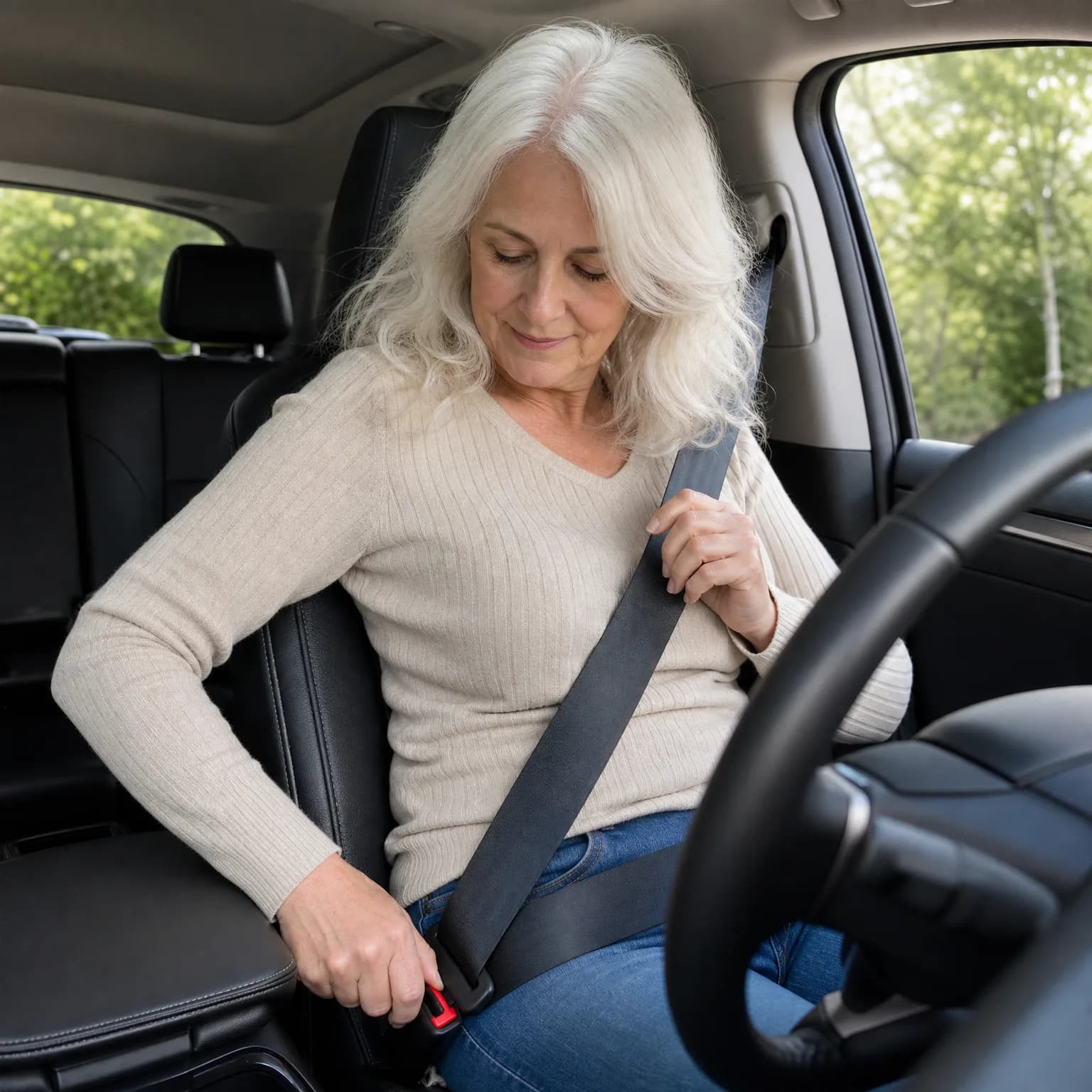
Whether You Still Need Full Coverage on a Paid-Off Vehicle
If your vehicle is paid off and worth less than $5,000 in current market value, dropping collision and comprehensive coverage often makes financial sense for drivers on fixed income. The coverage cost over two to three years typically exceeds the maximum payout you would receive if the vehicle were totaled.
Calculate your annual collision and comprehensive premium, then compare it to your vehicle's actual cash value minus your deductible. If you are paying $600 per year for coverage on a vehicle worth $4,000 with a $500 deductible, your maximum net recovery is $3,500—meaning you break even in under six years, and most vehicles depreciate faster than that.
Before dropping coverage, confirm you have sufficient savings to replace the vehicle if it is totaled or stolen. Many senior drivers on retirement income find that maintaining a $2,000 to $3,000 emergency fund specifically for vehicle replacement is more cost-effective than paying for collision and comprehensive coverage on an older, low-value car. If you cannot cover that replacement cost from savings, keeping the coverage remains the safer choice.
Programs and Discounts Most Senior Drivers in Oklahoma Miss
The low-mileage discount is underutilized by retired drivers who no longer commute. If you drive fewer than 7,500 miles per year, most carriers offer a discount ranging from 5% to 15%. You must request this discount—carriers do not reduce your rate automatically when your mileage drops. Some insurers require annual odometer verification, while others accept a signed mileage statement.
Telematics programs track your actual driving behavior through a mobile app or plug-in device and adjust your rate based on miles driven, time of day, braking patterns, and speed. Senior drivers who avoid rush hour traffic and drive primarily during daylight hours often see discounts of 10% to 25% through these programs, even if their annual mileage is moderate.
Pay-per-mile insurance is available in Oklahoma through select carriers and charges a low monthly base rate plus a per-mile fee, typically 5 to 8 cents per mile. If you drive fewer than 5,000 miles per year, this structure usually costs less than a traditional policy with a low-mileage discount. Availability varies by ZIP code and carrier.
Frequently Asked Questions
Does Oklahoma require a road test for drivers over 70?
No. Oklahoma requires only vision testing and in-person renewal every four years starting at age 65. The state does not mandate road tests or written exams based solely on age unless a medical condition or examiner referral triggers additional evaluation.
Will my insurance go up after I renew my license at 70?
Your renewal itself does not directly cause a rate increase, but most carriers adjust premiums for drivers between age 70 and 75 based on actuarial age cohort data. A mature driver course discount of 5–10% can offset part of this increase if you request it and provide proof of completion.
Can I renew my Oklahoma driver's license online after age 70?
No. Oklahoma requires in-person renewal with vision testing every four years for drivers 65 and older. Online renewal is not available for this age group, even if your previous renewals were completed online.
What happens if I fail the vision test at my renewal appointment?
You can retest immediately if you obtain updated corrective lenses. Oklahoma allows 30 days from your expiration date to pass the test and complete renewal. Driving on an expired license is a misdemeanor and will trigger an insurance rate increase if your carrier discovers it.
Do I have to tell my insurance company about a corrective lens restriction?
Most carriers receive DMV updates automatically, but some require you to report new restrictions. If you are in an accident without wearing required corrective lenses, your carrier can contest or deny collision and comprehensive claims, even if they already knew about the restriction through DMV reporting.
Related Articles

Oklahoma Vision Test for Senior License Renewal Guide
4/29/2026
License Renewal at 80 in Oklahoma: What Changes
4/29/2026

Oklahoma License Renewal at 75: Tests and Rates
4/29/2026

OK License Renewal at 85: Testing Rules for Seniors
4/29/2026

License Renewal at 70 in Ohio: Vision & Insurance
4/29/2026

Oregon License Renewal at 70: Vision, Rates & Discounts
4/29/2026