
Hawaii License Renewal at 75: Medical Checks, Restrictions, Rates
Free to compare
What Hawaii Requires at Age 75 License Renewal
Hawaii requires drivers aged 72 and older to renew in person every two years, with a mandatory vision screening at each renewal. At 75, you cannot renew online or by mail. The vision test measures acuity and peripheral vision, with a minimum threshold of 20/40 in at least one eye and 140 degrees of horizontal vision.
If you pass the vision screening without corrective lenses noted on your current license but need them now, your renewed license will show the restriction. If you fail the screening, the examiner can require a report from your eye doctor or refer you for a full medical evaluation before approving renewal. The referral is discretionary — two drivers with identical vision results may receive different outcomes based on the examiner's judgment and your driving record.
Hawaii does not require a road test at 75 unless the examiner observes a specific concern during your transaction or your driving record shows recent violations. Medical referrals typically request documentation of conditions affecting safe driving: uncontrolled diabetes, seizure disorders, cognitive impairment, or significant vision loss beyond standard correction.

How Medical Reviews Lead to Restricted Licenses
A medical review in Hawaii involves your physician completing a Medical Examination Report form provided by the county driver licensing office. The form asks whether you can safely operate a motor vehicle and whether restrictions are medically advisable. Your doctor's recommendation is advisory — the licensing examiner makes the final decision.
Common restrictions imposed after medical review include daylight driving only, limited radius from home, no freeway driving, or required corrective lenses. Hawaii also issues a "corrective lenses required" restriction automatically if your vision test was passed only with glasses or contacts. These restrictions appear as condition codes on your license.
Restricted licenses remain valid for the same two-year period as unrestricted licenses for drivers 72 and older. You can request removal of a restriction by submitting updated medical documentation and passing a re-evaluation, but many senior drivers continue under restriction rather than challenging it. The restriction itself is not reported to your insurer by the DMV — carriers discover it when they pull your motor vehicle record at renewal or after a claim.

Insurance Rate Impact of Renewal Outcomes
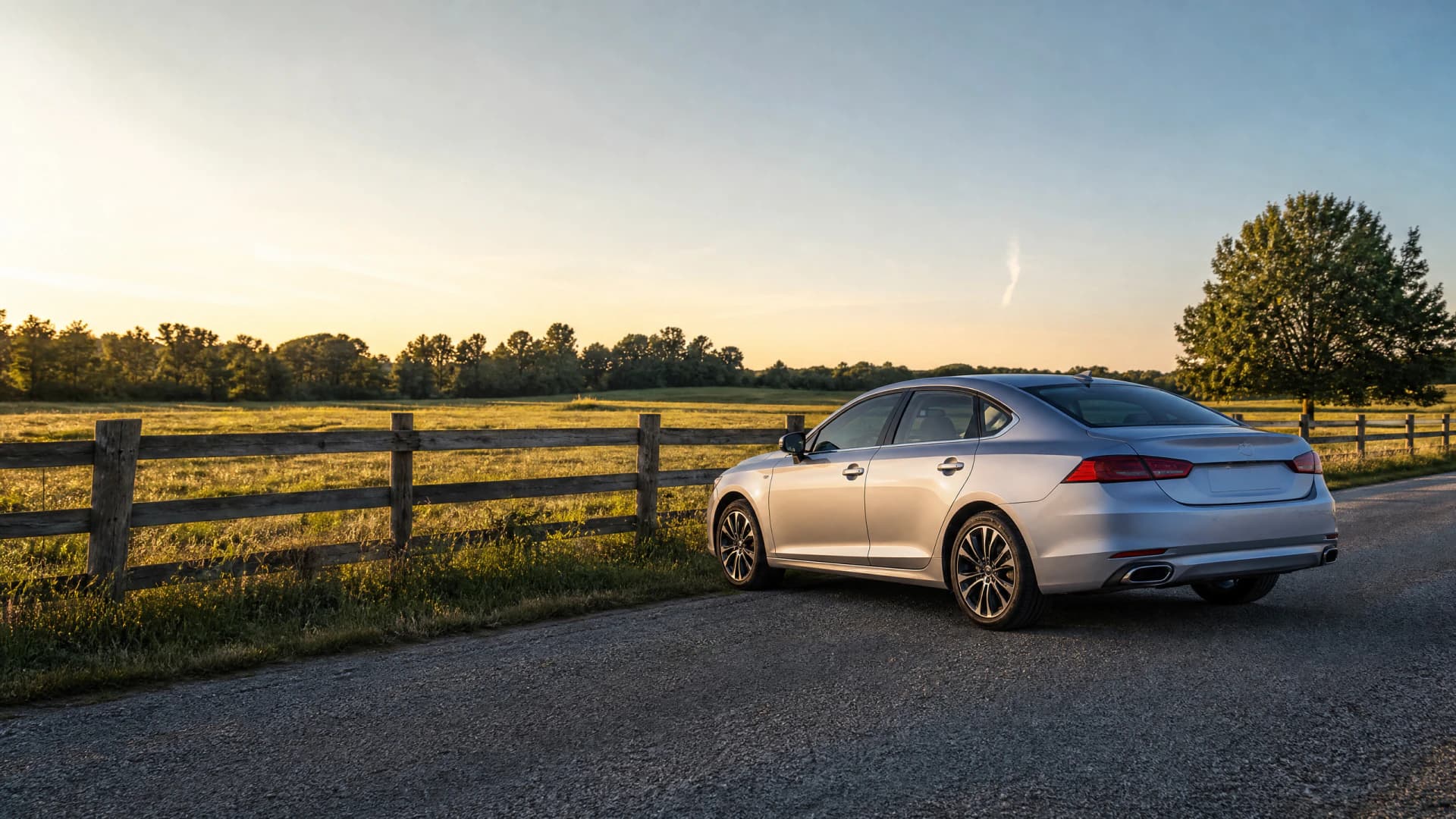
Most Hawaii carriers pull driving records annually at policy renewal. A newly added restriction code — particularly daylight-only or radius limitations — typically increases your premium 15–25% at the next renewal. The increase is not because the restriction indicates unsafe driving, but because actuarial data shows restricted license holders file claims at higher rates than unrestricted drivers in the same age group.
If your license renewal requires a medical review but you ultimately receive an unrestricted renewal, most carriers apply no rate change. The review itself does not appear on your motor vehicle record. However, if the review results in a failed renewal and a gap in your licensed status, you may face a lapse in coverage and significantly higher rates when you reinstate both your license and insurance.
Carriers do not automatically apply a senior driver discount when you turn 75. Hawaii does not mandate mature driver course discounts, but most major carriers offer them — typically 5–10% for completing an approved course. If your rate increased due to a restriction, the mature driver discount partially offsets that increase but rarely eliminates it. You must request the discount and provide proof of course completion.

See What Drivers Over 65 Are Paying Now
See If You Qualify for DiscountsWhat Daylight-Only and Radius Restrictions Actually Allow
A daylight-only restriction in Hawaii is defined as one half-hour after sunrise to one half-hour before sunset. This is a wider window than many senior drivers expect — in summer months, it extends past 7:00 PM. The restriction applies to all driving, not just commuting, and is enforced if you are stopped or involved in an accident outside permitted hours.
Radius restrictions limit driving to a specified distance from your residence, typically 10, 25, or 50 miles depending on what the examiner determines appropriate. The restriction is measured as straight-line distance, not driving distance, and applies to your primary residence address on file with the county. If you spend part of the year at a second residence in Hawaii, the restriction follows your license address, not your current location.
Violating a license restriction is a traffic infraction in Hawaii and can result in license suspension. If you are involved in an at-fault accident while driving outside your restriction, your liability coverage remains in effect — Hawaii law does not allow carriers to deny liability claims based on license restrictions — but your collision and comprehensive coverage may be denied depending on your policy terms.
How to Prepare for Your 75th Birthday Renewal
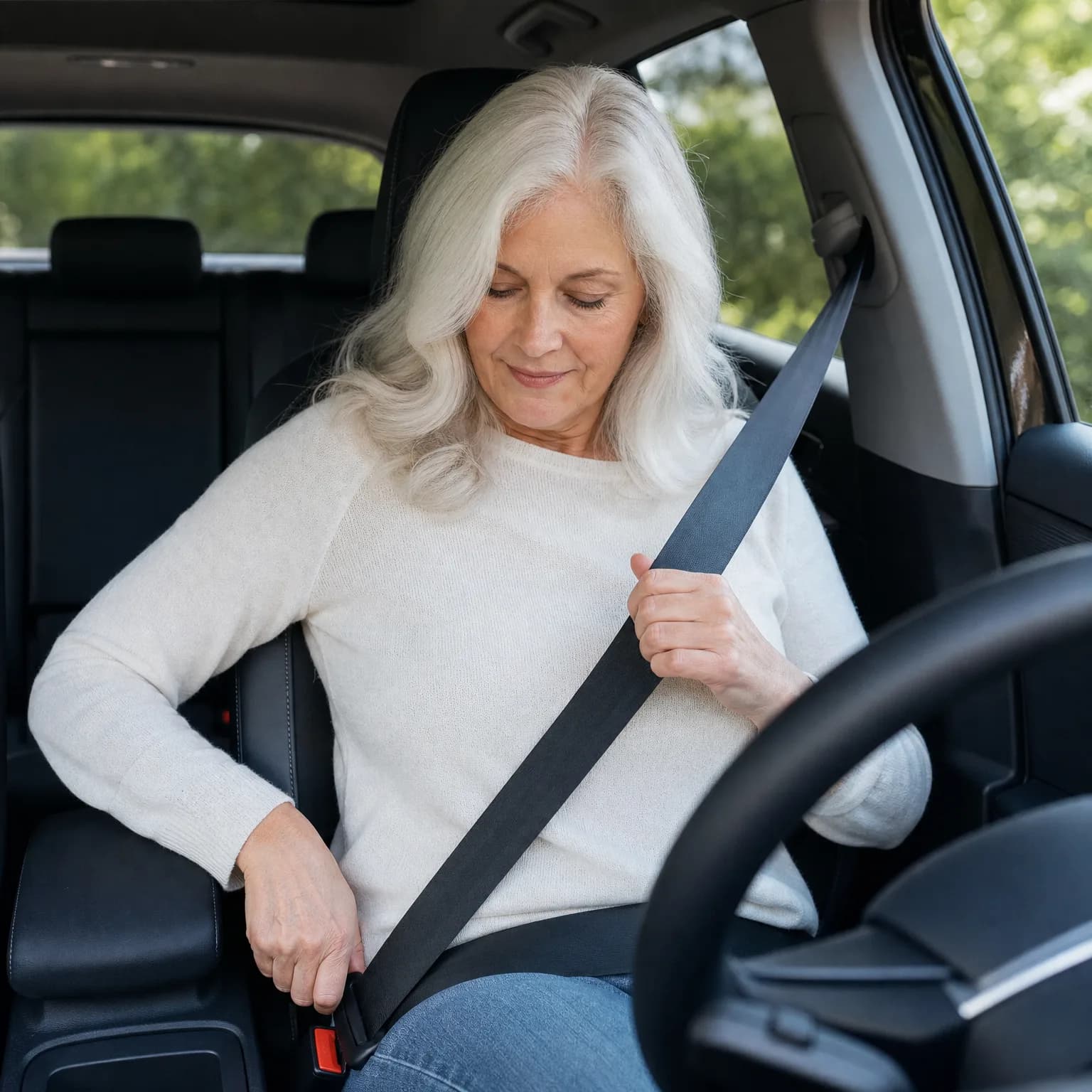
Schedule your renewal appointment 30–45 days before your license expiration. Hawaii county offices vary in wait times — Honolulu typically requires appointments booked two weeks out, while neighbor island offices may accommodate walk-ins. Bring your current license, proof of legal presence, and proof of current address if you have moved since your last renewal.
If you wear glasses or contacts for driving, bring them and wear them during the vision screening. If your prescription has changed recently, schedule an eye exam before your renewal and bring the current prescription. If the examiner refers you for a medical evaluation, ask your physician to complete the form within 10 days — the licensing office will hold your application for 30 days, after which it is considered abandoned and you must reapply.
Before your renewal, review your current insurance policy to confirm your coverage limits still match your needs. Many drivers aged 75 and older carry collision and comprehensive coverage on vehicles worth less than $5,000 — if your annual premium for these coverages exceeds 15% of your vehicle's value, maintaining liability-only coverage may be more cost-effective, particularly if a restriction increases your rate at the next renewal.

What Happens If You Cannot Pass Renewal Requirements
If you cannot meet Hawaii's vision standard even with correction, or if a medical review results in a recommendation against licensing, the examiner will not renew your license. You can request a hearing to contest the denial, but the process typically takes 60–90 days and requires legal representation to navigate effectively.
Once your license expires without renewal, your auto insurance policy remains in effect but you cannot legally drive. Most carriers allow a grace period of 30 days for license reinstatement before canceling your policy for lack of a valid license. If your policy is canceled for this reason, obtaining new coverage after reinstatement will cost significantly more — expect rate increases of 40–60% due to the lapse.
If you know renewal is unlikely, contact your insurance agent before your license expires. Some carriers offer a suspension or storage policy for vehicles that will no longer be driven, reducing your premium to a minimal level while maintaining continuous coverage. This avoids a lapse and makes reinstatement easier if your license status changes. If you live with a licensed family member who will take over driving your vehicle, you can be listed as an excluded driver to maintain the policy at a lower rate.
Frequently Asked Questions
Does Hawaii require a road test at 75?
Hawaii does not require a road test at age 75 unless the licensing examiner observes a specific concern during your renewal transaction or your driving record shows recent at-fault accidents or moving violations. The mandatory requirements at 75 are in-person renewal and vision screening only.
Can I renew my Hawaii license online if I'm 75?
No. Hawaii requires drivers aged 72 and older to renew in person every two years with a vision screening at each renewal. Online and mail renewals are not available once you reach 72, regardless of your driving record or health status.
Will my insurance company know if I get a restricted license?
Not immediately. Hawaii does not notify insurers when a restriction is added to your license. Your carrier discovers the restriction when they pull your motor vehicle record at your next policy renewal, typically resulting in a 15–25% rate increase at that time.
How much do Hawaii auto insurance rates increase for drivers over 75?
Rates for drivers aged 75 and older in Hawaii typically increase 10–20% compared to rates at age 65, with the steepest increases occurring after age 70. However, drivers with clean records and no restrictions often qualify for mature driver course discounts of 5–10% that partially offset age-related increases. For more on Hawaii's liability requirements and senior driver rate factors, see the state-specific guide.
Related Articles

Hawaii License Renewal at 70: Vision & Insurance
4/29/2026
Hawaii Vision Test for Seniors: Renewal Requirements
4/29/2026
Hawaii License Renewal at 80: Tests & Requirements
4/29/2026
Hawaii License Renewal at 85: Testing & Insurance
4/29/2026

Idaho License Renewal at 75: Tests, Rates & Restrictions
4/29/2026

CA License Renewal at 75: Medical Tests & Insurance Impact
4/29/2026