
Florida License Renewal at 80: Vision Tests, Road Exams, and What to Expect
Free to compare
What Changes at Your Age-80 Renewal in Florida
Florida requires all drivers aged 80 and older to renew their license in person at a DMV office, ending the online and mail renewal options available to younger drivers. You'll complete a vision test at the counter, and the examiner reviews your driving and medical history for flags that might trigger additional screening.
The vision requirement is straightforward: 20/40 or better in at least one eye, with or without corrective lenses. If you wear glasses or contacts, bring them. If you don't meet the standard, the DMV refers you to an eye care provider for evaluation and potential restriction recommendations.
Most 80-year-old drivers renew without a road test. The decision to require one is discretionary, based on recent accidents, medical conditions reported by physicians, or observable concerns during your counter interaction. Florida Statute 322.18 gives examiners authority to request re-examination when there's reason to question safe driving ability, but age alone does not trigger automatic testing.

What Triggers a Road Test Requirement After 80
Three primary factors prompt examiners to require a road test: recent at-fault accidents within 24 months, medical reports filed by your physician under Florida's voluntary reporting system, or observable mobility or cognitive concerns during your renewal visit. The DMV does not publish a formal checklist, but internal guidance focuses on functional ability rather than calendar age.
Physician-reported conditions include dementia diagnosis, uncontrolled seizure disorders, severe vision impairment not correctable to 20/70, or loss of limb function affecting vehicle control. Florida law protects physicians from liability when they report a patient's driving risk in good faith, but reporting is voluntary, not mandatory.
If you're asked to take a road test, you'll schedule it separately and must demonstrate lane control, speed management, safe turning, and appropriate response to traffic signals. The test route is typically 15-20 minutes in moderate traffic conditions. Passing requires the same standard applied to any driver, without age-based scoring adjustments.

Medical Review and Restriction Options Available
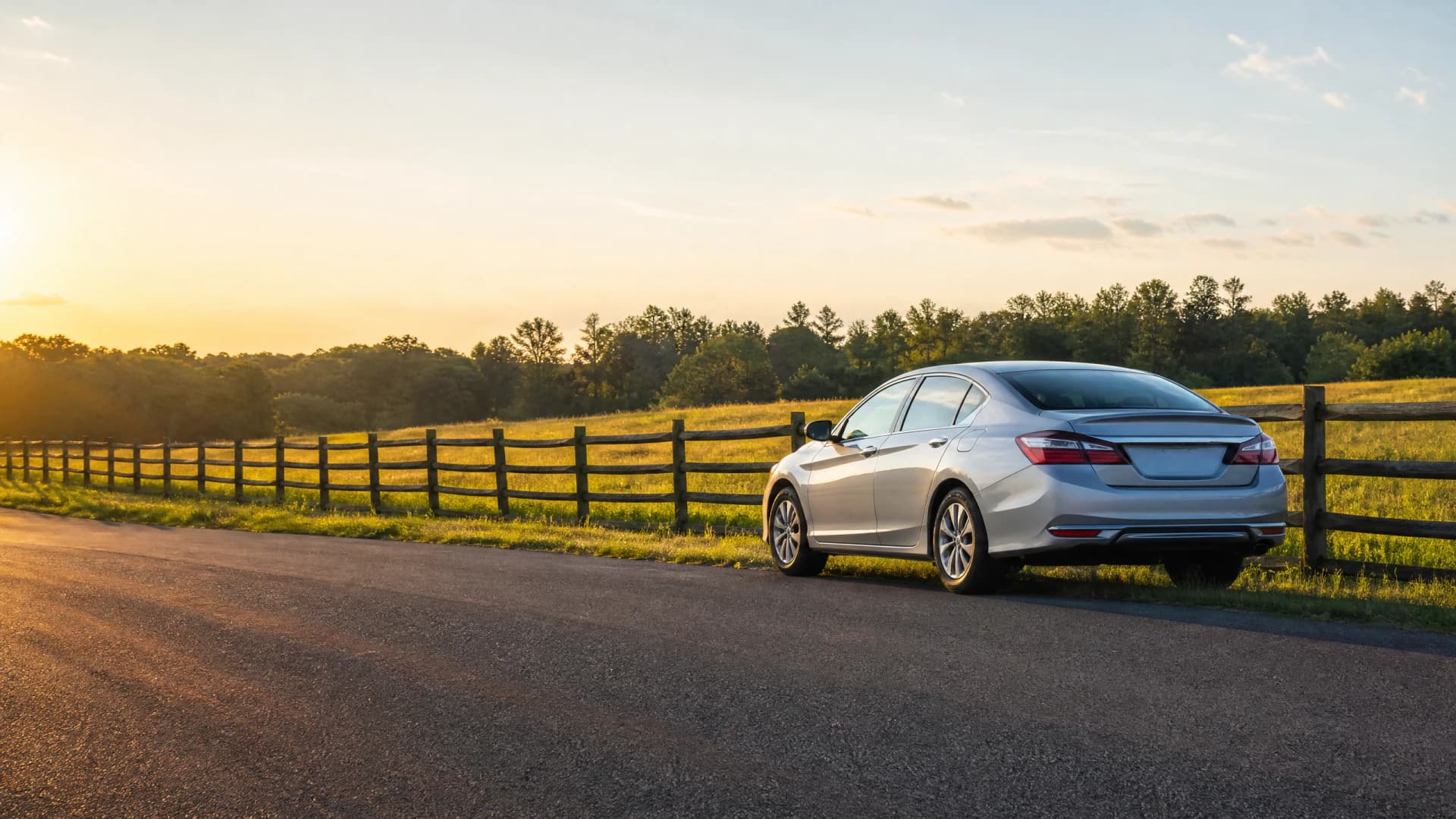
Florida offers graduated restrictions as an alternative to full license suspension when concerns exist but don't justify removing driving privileges entirely. Common restrictions for drivers over 80 include daylight-only operation, local-area radius limits, or requirements for corrective lenses or adaptive equipment.
If the DMV Medical Review unit flags your renewal, you'll receive a letter requesting additional documentation from your physician. The form asks your doctor to assess specific functional abilities: reaction time, decision-making capacity, physical range of motion, and vision quality beyond the basic acuity standard. Your physician's assessment informs whether restrictions are appropriate or whether full driving privileges can continue.
Restrictions appear as codes on your license and are legally binding. Violating a restriction — such as driving at night when limited to daylight hours — is treated as driving without a valid license and carries insurance implications. Most carriers continue coverage under daylight or area restrictions but require notification of the change.

See What Drivers Over 65 Are Paying Now
See If You Qualify for DiscountsHow This Affects Your Auto Insurance Rates and Coverage
Your insurance carrier does not automatically receive notification of your renewal outcome, restrictions, or road test results unless you're involved in a claim or violation that surfaces the information. However, most carriers ask about license restrictions at renewal, and accurate disclosure is required under your policy contract.
Drivers over 80 in Florida see average annual premium increases of 12-18% compared to drivers aged 65-70, primarily driven by actuarial age banding rather than individual driving record. If you receive a daylight-only or radius restriction, some carriers offer modest premium reductions reflecting reduced exposure, typically 5-10% depending on the restriction scope.
If you're no longer commuting and driving under 7,500 miles annually, low-mileage discounts often deliver more rate relief than age-based pricing pressure adds. State Farm, GEICO, and Progressive all offer mileage-based programs for Florida seniors, with potential savings of $150-300 annually for drivers logging fewer than 6,000 miles per year.

Preparing for Your In-Person Renewal Visit
Schedule your renewal appointment 30-45 days before your birthday expiration date. Florida allows renewal up to 18 months early for drivers 80 and older, and booking ahead avoids the risk of an expired license if additional testing is required.
Bring your current license, proof of Social Security number, two proofs of residential address (utility bill, bank statement, or mortgage document dated within 60 days), and corrective lenses if you use them. If you've had cataract surgery or other vision correction since your last renewal, bring documentation from your eye care provider showing your current corrected acuity.
If you have concerns about passing the vision test or believe you might be flagged for additional review, complete a voluntary driving evaluation through an occupational therapist certified in driver rehabilitation before your renewal. AARP and AAA offer senior driver refresher courses that some Florida drivers use as documentation of proactive safety commitment, though Florida does not mandate mature driver courses for license retention at any age.

What Happens If You Don't Pass Initial Screening
Failing the vision test does not immediately suspend your license. The examiner issues a vision referral form requiring evaluation by an optometrist or ophthalmologist within 30 days. Your current license remains valid during that window. Your eye care provider completes the form confirming your best corrected vision and recommending restrictions if needed.
If a road test is required and you don't pass on the first attempt, Florida allows retesting after a 14-day waiting period. You can use that time for professional driving lessons with an instructor experienced in senior driver evaluation. Many drivers benefit from a single lesson focused on the specific maneuvers that caused difficulty during the official test.
If your license is suspended or heavily restricted and you're no longer driving regularly, notify your insurance carrier immediately. You may qualify for a named-driver exclusion that removes you from the policy and reduces premiums significantly, while maintaining coverage for other household drivers or allowing you to reinstate easily if your medical situation improves and you regain full driving privileges.
Frequently Asked Questions
Does Florida require a road test for all drivers at age 80?
No. Florida requires in-person renewal and vision screening at 80, but road tests are discretionary and ordered only when your record shows recent accidents, medical concerns, or observable functional issues during the renewal visit. Most drivers over 80 renew without a driving exam.
What vision standard do I need to meet to renew my Florida license at 80?
You need 20/40 vision or better in at least one eye, with or without corrective lenses. If you don't meet this standard at the DMV counter, you receive a referral form for evaluation by an eye care provider within 30 days, and your current license remains valid during that period.
Will my car insurance rates increase after I turn 80 in Florida?
Most carriers apply age-based rate increases for drivers over 80, averaging 12-18% annually compared to drivers in their late 60s. However, low-mileage discounts and mature driver course credits can offset much of this increase if you're driving fewer than 7,500 miles per year.
What restrictions can Florida place on my license after age 80?
Common restrictions include daylight-only driving, geographic radius limits, requirements for corrective lenses, or adaptive equipment mandates. Restrictions are based on medical review or road test performance, not age alone, and appear as codes on your license that are legally binding.
Related Articles

License Renewal at 85 in Florida: Testing & Insurance
4/29/2026

FL License Renewal at 70: Vision Test & Insurance
4/29/2026

Florida Vision Test at Renewal: Seniors' Guide
4/29/2026

FL License Renewal at 75: Medical Rules & Rate Impact
4/29/2026
NY License Renewal at 80: Road Test Triggers & Screening
4/29/2026

GA License Renewal at 80: Vision Tests & Road Exams
4/29/2026