
License Renewal at 80 in Indiana: What Triggers a Road Test
Free to compare
What Indiana Requires at Age 80 License Renewal
Indiana requires vision screening at every renewal after age 75, but road tests at 80 are not automatic. You'll take a road test only if your vision falls below 20/40 corrected, if you fail the vision screening outright, or if the Bureau of Motor Vehicles receives a medical concern report from law enforcement, a physician, or a family member. The vision screening happens at the branch when you renew — you cannot pass or fail it in advance.
Renewal at 80 requires an in-person branch visit. Indiana does not permit online or mail renewal after age 75. Your license renews for a 3-year term if you pass all requirements. If you wear corrective lenses, bring them — the screening tests corrected vision, and failure without your glasses will trigger additional testing you could have avoided.
The state does not send advance notice of the vision threshold. Most 80-year-old drivers arrive expecting a standard renewal and learn about enhanced screening requirements only at the counter. If you haven't had an eye exam recently, schedule one before your renewal appointment to confirm you meet the 20/40 standard.

When a Road Test Is Triggered and What It Covers
A road test at renewal is triggered by vision screening failure, a medical review referral, or a prior restricted license that requires re-evaluation. The test covers basic vehicle control, turn signal use, lane positioning, speed management, and response to traffic signs. Indiana uses the same evaluation criteria for 80-year-old drivers as for new teen drivers — there is no separate "senior driver" test.
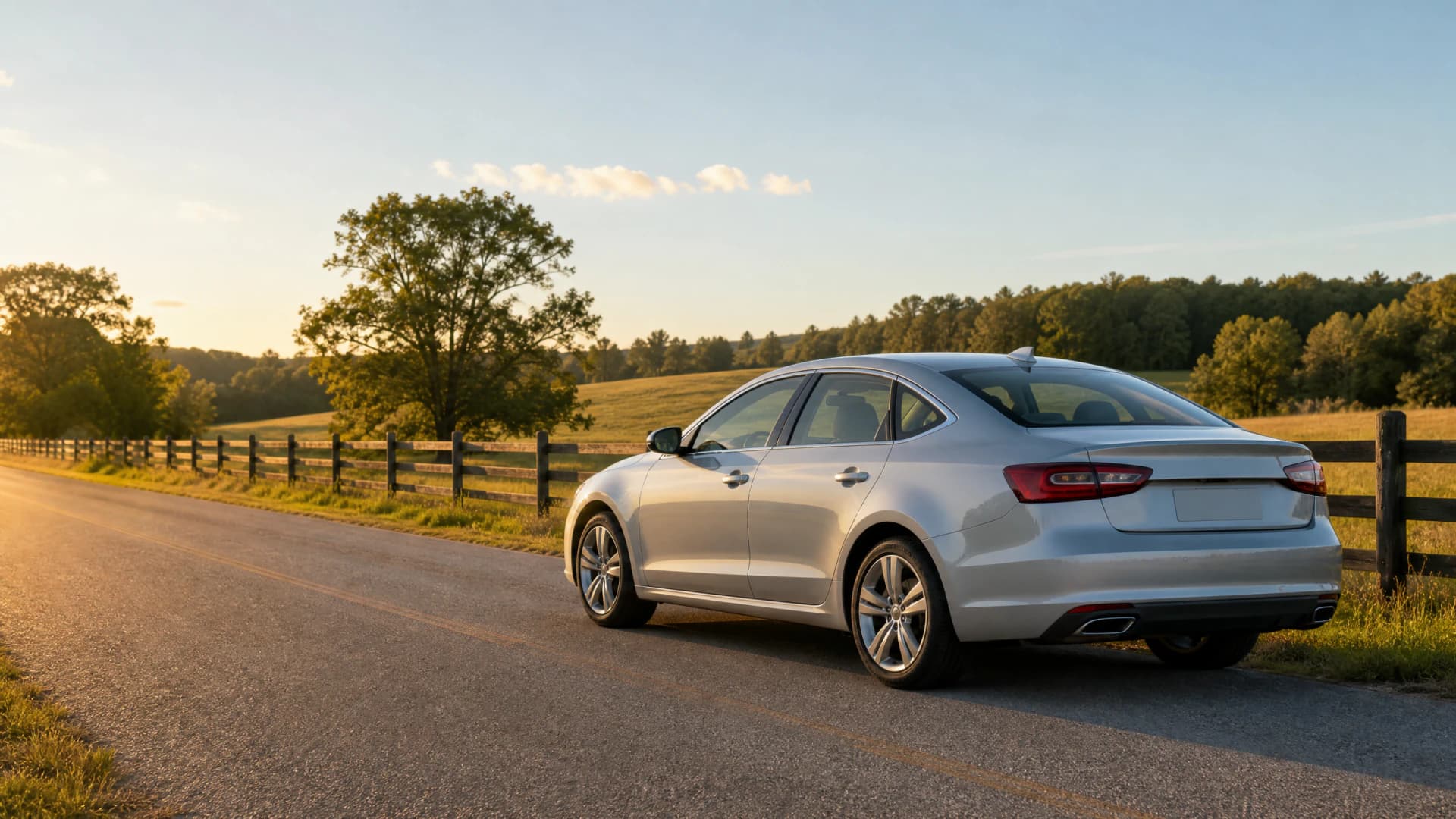
The BMV examiner rides in your vehicle. You must provide a registered, insured vehicle in safe operating condition. If you no longer own a car or cannot access one on renewal day, you cannot complete the test and your license will not renew until you arrange a vehicle. This creates a practical barrier for drivers who have recently stopped owning a car but want to maintain a valid ID and occasional driving privileges.
Failure does not result in immediate license suspension. You receive a notice with the option to retake the test within 30 days. If you do not retake or do not pass on the second attempt, your license expires and you must apply as a new driver, which requires the full written knowledge test, vision screening, and road test sequence.
How Medical Concern Reports Affect Your Renewal Timeline
Indiana law permits physicians, law enforcement officers, and family members to submit medical concern reports to the BMV if they believe a driver poses a safety risk due to medical condition, cognitive decline, or impaired judgment. These reports are confidential and do not appear on your driving record, but they trigger a medical review process that can delay or block renewal.
If a report is filed before your renewal date, the BMV sends a notice requiring you to submit a physician's statement confirming your fitness to drive. The physician must complete BMV Form 55155 and address the specific concerns raised in the report. You cannot renew until the medical review is resolved. If the physician declines to certify fitness, or if you do not submit the form within the stated deadline, your renewal is denied and your license expires.
The BMV does not disclose who filed the report. Adult children concerned about a parent's driving sometimes file these reports assuming the state will "handle it" — but the process shifts the burden to the driver to prove fitness, and many 80-year-old drivers are unaware a report has been filed until they attempt to renew and are told additional documentation is required.

See What Drivers Over 65 Are Paying Now
See If You Qualify for DiscountsVision Screening Standards and What Happens If You Don't Pass
Indiana requires corrected vision of at least 20/40 in one or both eyes combined. If your corrected vision falls between 20/50 and 20/70, you may qualify for a restricted license permitting daylight driving only within a limited radius of your home. Vision below 20/70 in both eyes results in license denial.
You must also pass a peripheral vision test. Indiana requires a horizontal field of at least 70 degrees in one eye or 40 degrees on each side of the central point if both eyes are used. Conditions like glaucoma, macular degeneration, or diabetic retinopathy can reduce peripheral vision even when central acuity remains strong. The BMV does not provide advance notice of the peripheral vision requirement, and many drivers with corrected 20/40 acuity fail renewal due to undiagnosed peripheral field loss.
If you fail vision screening, the examiner will ask if you have corrective lenses with you. If you do not, you must return with your glasses or updated prescription. If you fail with corrective lenses, the BMV refers you to an eye care professional for evaluation and requires a completed vision report before renewal can proceed. This delays renewal by days or weeks depending on appointment availability.
How Renewal at 80 Affects Your Auto Insurance Rates
Renewing your license at 80 does not directly increase your insurance premium, but carriers treat age 80 as a rating threshold in Indiana. Most carriers apply rate increases between ages 75 and 80 based on actuarial loss data, not driving record. Passing your renewal and maintaining a clean record does not prevent these increases — they are age-based, not behavior-based.
If you are required to take a road test and pass, some carriers offer mature driver discounts if you complete an approved defensive driving course within the same renewal period. Indiana does not mandate these discounts, so availability varies by carrier. The discount typically ranges from 5% to 10% and applies for three years. You must request it — carriers do not automatically apply mature driver discounts at renewal even if you qualify.
If your license is restricted to daylight driving or a limited radius due to vision results, you must notify your carrier immediately. Failure to disclose a restricted license can void coverage if you are involved in an accident outside your restriction parameters. Some carriers will not insure drivers with daylight-only restrictions, which forces you to shop for a new policy at age 80 — a difficult market position.

What to Do If You Anticipate Difficulty Passing Renewal Requirements
If you have concerns about meeting vision standards or passing a road test, schedule an eye exam and consider a private driving evaluation before your renewal date. Occupational therapists certified in driver rehabilitation can assess your skills and provide documentation of competency that may support your renewal if the BMV has questions.
If you are no longer comfortable driving but need a state-issued ID, you can voluntarily surrender your driver's license and apply for an Indiana identification card at the same branch visit. The ID card does not require vision screening or road testing, costs less than license renewal, and provides the same TSA-compliant identification for air travel and other purposes. Many 80-year-old drivers are unaware this option exists and continue renewing a license they no longer use to avoid losing their primary form of ID.
If a family member has filed or is considering filing a medical concern report, discuss it directly before the report is submitted. The report process is adversarial and often damages family relationships. A voluntary conversation about reducing driving, taking a defensive driving course together, or transitioning to an ID card is more effective than a surprise BMV letter requiring medical documentation.
Frequently Asked Questions
Does Indiana require a road test every time you renew after age 80?
No. Indiana requires vision screening at every renewal after 75, but road tests are triggered only by vision screening failure below 20/40, medical concern reports, or prior license restrictions requiring re-evaluation. Most 80-year-old drivers renew without a road test if their corrected vision meets the threshold.
What happens if you fail the vision test at license renewal in Indiana?
If you fail without corrective lenses present, you must return with glasses or an updated prescription. If you fail with corrective lenses, the BMV refers you to an eye care professional for evaluation and requires a completed vision report before renewal proceeds. Vision between 20/50 and 20/70 may qualify for a restricted daylight-only license.
Can a family member report a senior driver to the Indiana BMV?
Yes. Indiana law permits family members, physicians, and law enforcement to submit confidential medical concern reports if they believe a driver poses a safety risk. The report triggers a medical review requiring the driver to submit physician certification of fitness to drive. The BMV does not disclose who filed the report.
Do you have to tell your insurance company if your license is restricted to daylight driving?
Yes. You must notify your carrier immediately if your license is restricted due to vision or medical review. Failure to disclose a restriction can void coverage if you are in an accident outside restriction parameters. Some carriers will not insure drivers with daylight-only restrictions.
Can you get an Indiana ID card instead of renewing your driver's license at 80?
Yes. You can voluntarily surrender your driver's license and apply for an Indiana identification card at the same BMV visit. The ID card does not require vision screening or road testing, costs less than license renewal, and provides TSA-compliant identification for air travel and other purposes.
Related Articles

Indiana Vision Test at License Renewal for Seniors
4/29/2026

Indiana License Renewal at 85: Tests & Insurance Impact
4/29/2026
Indiana License Renewal at 70: Vision & Insurance
4/29/2026

IL License Renewal at 80: Tests, Restrictions, Requirements
4/29/2026

Idaho License Renewal at 80: Road Test Rules
4/29/2026

Michigan License Renewal at 80: Test Requirements
4/29/2026