
Driver's License Renewal at 80 in Iowa: What to Expect
Free to compare
What Iowa Requires for License Renewal at Age 80
Iowa requires drivers aged 70 and older to renew in person every 2 years with a vision screening at the DOT office. You cannot renew online or by mail once you reach 70, regardless of driving record. The vision standard is 20/40 in at least one eye with corrective lenses if needed.
If you meet the 20/40 standard, renewal proceeds like any other in-person visit — updated photo, $8 fee, new license issued. No written test. No road test. No physician letter unless vision screening identifies a problem or DOT has received a medical concern report from law enforcement or a physician.
The 2-year cycle continues as long as you hold a valid license. Missing the renewal window results in license expiration, not suspension, but driving on an expired license carries the same penalties as driving without a valid license.

When Iowa Mandates a Road Test for Drivers 80 and Older
Iowa does not require road tests based solely on age. A road test is mandated only when vision falls below 20/40 in both eyes but above the minimum threshold of 20/70, when a physician submits a medical concern notification to the DOT, or when law enforcement files a driver evaluation request following an at-fault accident or moving violation.
Drivers with vision between 20/70 and 20/40 must pass a road test to demonstrate compensation ability. Vision below 20/70 in both eyes results in license denial under current Iowa Code 321.186. Bioptic telescopic lenses are permitted for meeting vision standards if the carrier lens is at least 20/100 and the combined system achieves 20/40.
Medical concern reports trigger a DOT review. The department may require a physician evaluation form, a road test, or both. Common triggers include dementia diagnosis, seizure disorders, stroke with residual effects, and certain cardiac conditions. The physician completes Iowa DOT form 430005 detailing functional capacity.

How Vision Screening Works at Iowa DOT Offices
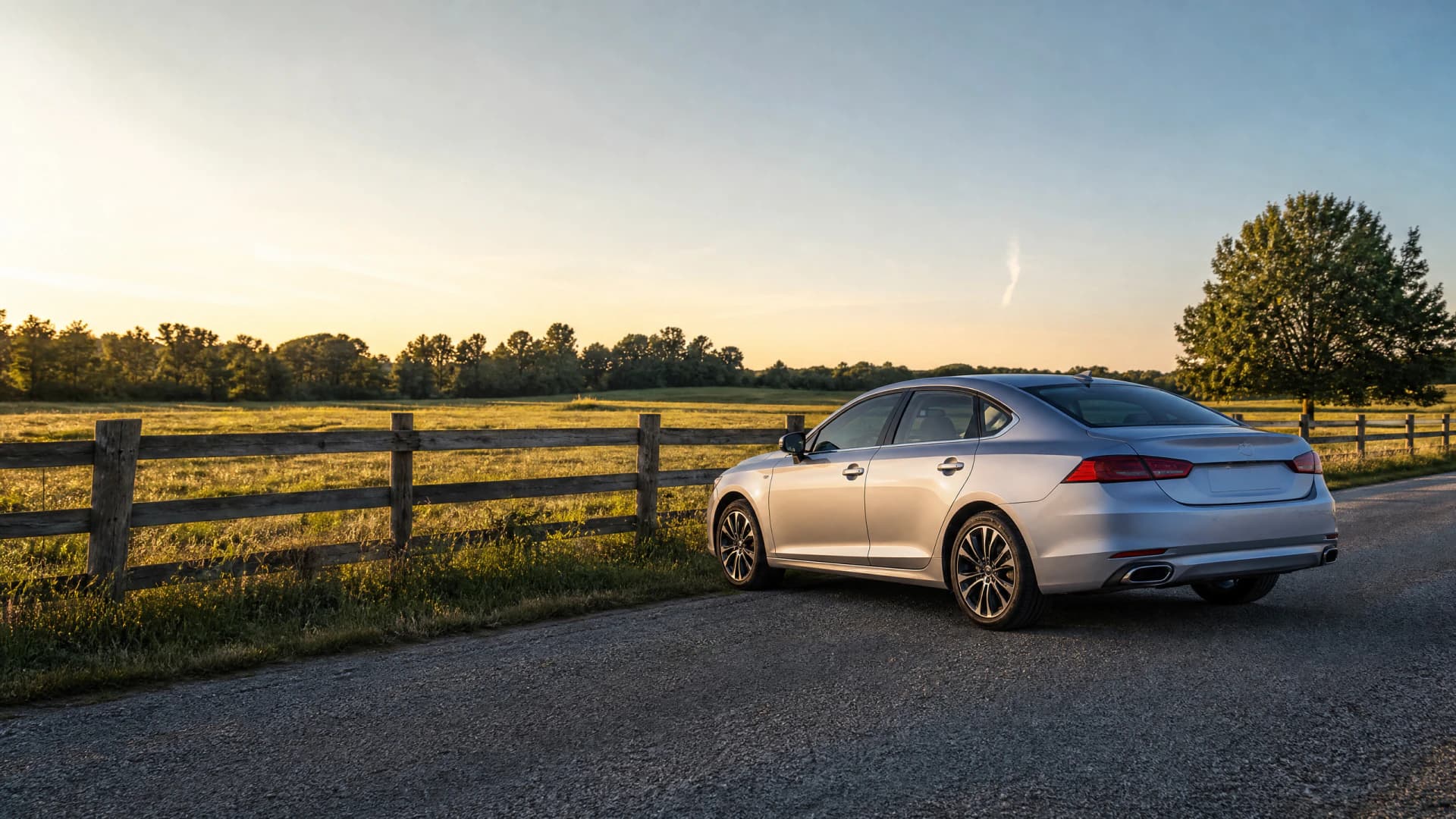
Vision screening uses a standard eye chart and tests each eye separately, then together. You may wear corrective lenses. The examiner records best corrected vision for each eye and combined visual field.
If you don't meet 20/40, the examiner offers a second attempt after a brief rest. If you still don't meet standard, the DOT issues a vision referral form requiring an eye care professional to complete Iowa form 430015 within 30 days. The form certifies whether corrected vision can reach 20/40 or documents the specific limitation.
Once the completed form returns to DOT showing corrected vision meets standard, you return for re-screening and license issuance. If vision cannot be corrected to 20/40, DOT evaluates whether you qualify for restricted licensing with vision between 20/70 and 20/40, which requires the road test.
Medical Review Process and Physician Reporting
Iowa physicians are not legally required to report patients with conditions affecting driving ability, but they may do so without liability under Iowa Code 321.186A. Law enforcement officers must report drivers involved in accidents where medical fitness appears to be a factor.
When DOT receives a medical concern report, they mail form 430005 to the driver with instructions to have a physician complete the medical evaluation section. The form asks specific questions about cognition, reaction time, seizure history, vision problems, and medication side effects affecting alertness or coordination.
Depending on physician responses, DOT may clear you for standard renewal, require a road test, impose restrictions like daylight-only driving, or schedule a full driver evaluation including written and road components. You have 30 days from the form date to return completed documentation.

See What Drivers Over 65 Are Paying Now
See If You Qualify for Discounts
How a Road Test Referral Affects Your Insurance Rates
Being required to take a road test does not automatically appear on your driving record or trigger an insurance rate increase. The road test requirement itself is an administrative licensing matter, not a violation or conviction.
However, if you fail the road test and your license is suspended or revoked, that status change does affect insurance. Most carriers will non-renew a policy when the named insured no longer holds a valid license. If you pass the test and maintain your license, no record of the referral appears in the motor vehicle report carriers pull for underwriting.
If your license is restricted to daylight-only or specific radius from home, you should notify your carrier. Some carriers offer reduced premiums for mileage or use restrictions, but this varies significantly by company.

Preparing for In-Person Renewal and Potential Testing
Schedule your renewal appointment 60 to 90 days before expiration. Iowa DOT offices in larger counties offer online appointment scheduling; smaller offices operate walk-in only. Bring your current license, proof of Social Security number if not already on file, and corrective lenses if you wear them.
If you have had recent vision changes, cataract surgery, or a new glasses prescription, schedule an eye exam before your DOT renewal. Confirm your corrected vision meets 20/40. If it doesn't, address correction options before the DOT visit to avoid the referral loop.
If you have a medical condition that might trigger physician review, discuss driving fitness with your doctor proactively. Ask whether they would recommend restrictions or cessation. If restrictions make sense, entering the process with physician-supported limits is simpler than appealing a DOT-imposed restriction.
What Happens If You Don't Pass and License Options Narrow
If vision cannot be corrected to meet minimum standards or a medical evaluation recommends against licensure, Iowa offers a state-issued non-driver ID using the same form and fee structure as license renewal. The ID provides the same legal identification function without driving privileges.
If you disagree with a DOT decision to deny renewal or impose restrictions, you may request an administrative hearing under Iowa Code 17A. The request must be filed within 20 days of the denial notice. You may present medical evidence, request re-evaluation, or argue that proposed restrictions are more severe than your condition warrants.
Many senior drivers in this position transition to family-supported transportation, paratransit services available in most Iowa counties for seniors and individuals with disabilities, or rideshare services. Some carriers offer premium refunds for policy cancellations mid-term when license revocation is the cause.
Frequently Asked Questions
Does Iowa require a road test at age 80 for license renewal?
No, Iowa does not require a road test based on age alone. Road tests are mandated only when vision falls between 20/70 and 20/40 and requires compensation demonstration, when a physician files a medical concern report, or when law enforcement requests driver re-evaluation following an incident.
How often do Iowa drivers over 70 need to renew their license?
Every 2 years with in-person renewal and vision screening required. Online and mail renewal are not available once you turn 70, regardless of driving record or vision quality.
What vision standard does Iowa require for drivers 80 and older?
Iowa requires 20/40 corrected vision in at least one eye. Vision between 20/70 and 20/40 may qualify with a passed road test. Vision below 20/70 in both eyes results in license denial under current state requirements.
Can my doctor require Iowa DOT to revoke my license?
No. Iowa physicians may report medical concerns to DOT but cannot directly revoke a license. DOT reviews physician-submitted evaluations and determines whether additional testing, restrictions, or denial is warranted based on functional capacity documented in the report.
What happens to my car insurance if I fail the Iowa road test?
If your license is suspended or revoked after a failed road test, most carriers will non-renew your policy because you no longer hold a valid license. The road test requirement itself does not appear on your driving record or affect rates if you pass and maintain valid licensure.
Related Articles

Iowa License Renewal at 70: Vision Test & Insurance
4/29/2026
Iowa Vision Test at 70: Passing, Restrictions & Insurance
4/29/2026

IL License Renewal at 80: Tests, Restrictions, Requirements
4/29/2026
Iowa License Renewal at 75: Rules & Insurance Impact
4/29/2026

Indiana License Renewal at 80: Road Test Requirements
4/29/2026
Idaho License Renewal at 80: Road Test Rules
4/29/2026