
License Renewal at 80 in North Dakota: What Changed in 2023
Free to compare
North Dakota Ended Automatic Road Testing at Age 78 in January 2023
North Dakota eliminated its mandatory road test at age 78 effective January 1, 2023. The state now uses a two-stage screening process: vision testing at the DMV counter and medical self-certification on your renewal form. You take a road test only if either screening identifies a specific functional concern — reduced peripheral vision below state minimums, uncorrected hearing loss affecting hazard awareness, or a medical condition your physician flags as affecting vehicle control.
Most drivers aged 80 and older renew without retesting under current rules. The vision standard remains 20/40 corrected in at least one eye with a minimum 105-degree horizontal field. If you wear glasses or contacts and your prescription is current, you meet this threshold. The medical section asks about seizures, loss of consciousness, and mobility limitations that would prevent operating pedals or steering — conditions your doctor would have already discussed with you.
The change removed renewal anxiety for the majority of senior drivers who remain medically and visually qualified. If you've been delaying your renewal because you assumed a road test was required at 80, that assumption no longer applies.

What Triggers a Road Test Under the Current System
A road test is required if your vision falls below 20/40 corrected, your horizontal field measures under 105 degrees, or your medical self-certification discloses a condition the DMV medical review board flags for further evaluation. The most common triggers: progressive vision loss from macular degeneration not fully corrected by current lenses, peripheral field reduction from glaucoma, and seizure disorders not controlled by medication.
Your physician does not automatically report conditions to the DMV. North Dakota uses self-certification — you disclose conditions on the renewal form, and the DMV determines whether additional testing is warranted. If you answer yes to any medical question, expect a letter from the DMV medical review unit requesting documentation from your doctor within 30 days. That documentation review determines whether a behind-the-wheel evaluation is necessary.
Drivers with conditional medical clearances may receive restricted licenses rather than outright denials. Restrictions include daylight-only operation, radius limits from your residence, or prohibitions on interstate driving. These restrictions appear as codes on your license and carry legal weight — operating outside the restriction is treated as driving without a valid license.

How Your Auto Insurance Responds to Renewal Screening Results
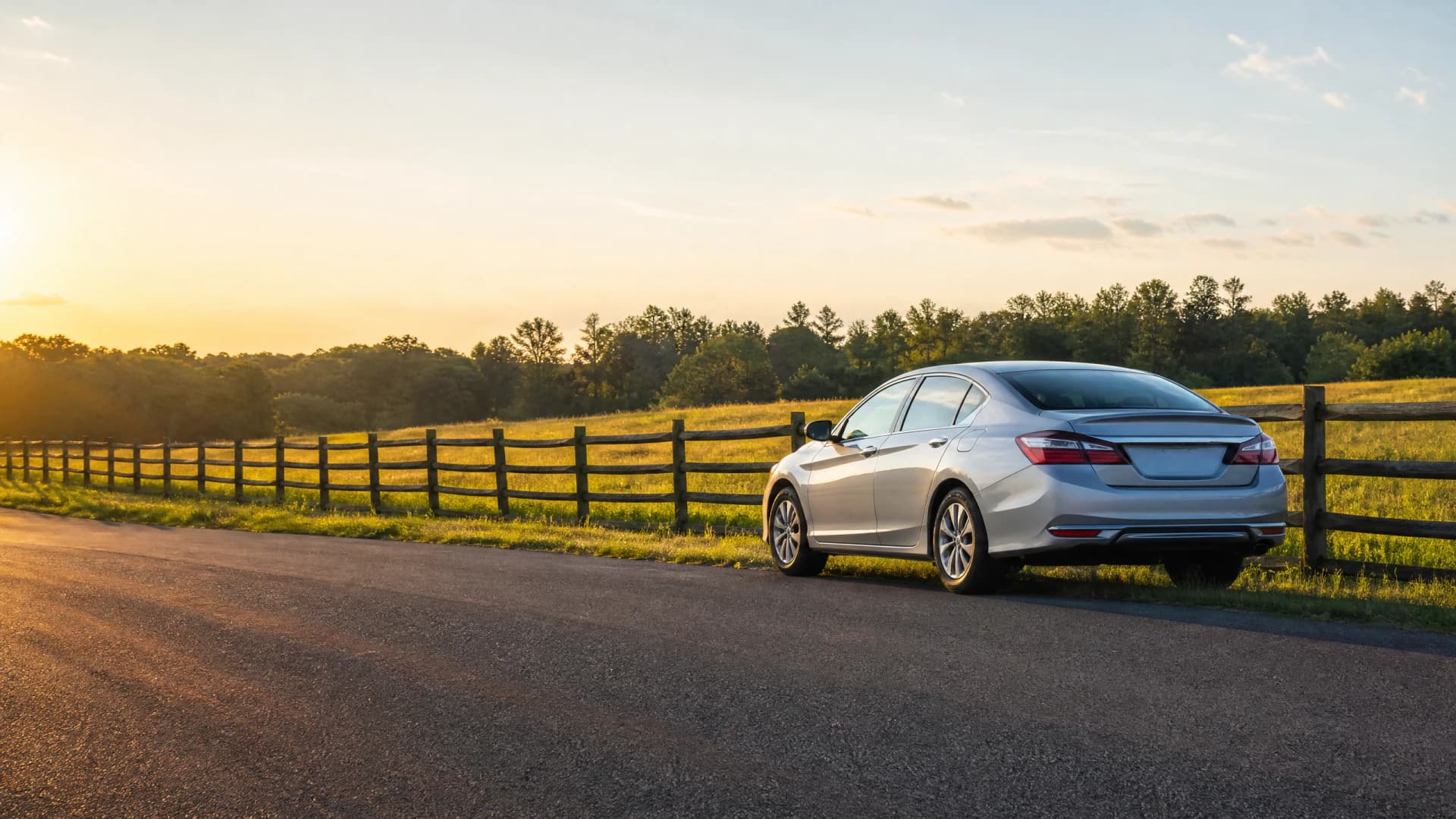
Passing renewal screening without restrictions has no direct effect on your insurance rates. Carriers price based on your driving record, claims history, and actuarial age factors — not your DMV renewal outcome. If you're 80 with a clean record and no at-fault claims, your rate reflects your age bracket and loss history, not the fact that you recently renewed.
A restricted license changes the calculation. Daylight-only or radius restrictions signal increased risk to underwriters, typically resulting in 15-25% rate increases at your next renewal. Some carriers decline to renew policies for drivers with movement or cognitive restrictions, particularly in non-standard or preferred-risk tiers. If your license carries new restrictions, notify your agent or carrier before your policy renews — failure to disclose can void coverage after a claim.
Mature driver course discounts remain available regardless of your renewal outcome. North Dakota does not mandate these discounts, but most major carriers offer 5-10% reductions for drivers who complete an approved defensive driving course within the past three years. AARP and AAA offer the most widely accepted programs, available online or in-person. The discount applies even if you're rated in a higher age bracket — it's based on course completion, not risk tier.

See What Drivers Over 65 Are Paying Now
See If You Qualify for DiscountsCoverage Adjustments That Make Sense at This Stage
If your vehicle is paid off and worth under $5,000, dropping collision and comprehensive coverage eliminates $600-$1,200 annually in premium while retaining liability protection. The test: if your car were totaled tomorrow, would the payout after your deductible exceed one year's collision and comprehensive premium? For most vehicles over 12 years old, the answer is no.
Medical payments coverage becomes redundant once you're on Medicare, but only if you carry Medicare Part B. Part B covers injuries from auto accidents without regard to fault. Medical payments coverage on your auto policy pays before Medicare processes the claim, creating a coordination-of-benefits situation that rarely justifies the $80-$150 annual cost for $5,000 in coverage. If you don't carry Part B or you have a Medicare Advantage plan with high copays, keep medical payments — it covers your passenger injuries as well.
Uninsured motorist coverage remains critical. North Dakota requires only $25,000 per person in liability — the minimum since 1987 and insufficient to cover serious injuries. Roughly 12% of North Dakota drivers carry no insurance despite the mandate. Uninsured motorist coverage at $100,000 per person costs $80-$120 annually and protects your assets if an uninsured driver causes a crash that exceeds their liability limit or they have none.

What Happens If You're Required to Retest and Don't Pass
A failed road test results in license suspension effective immediately. You cannot legally operate a vehicle after that point, and your insurance policy typically cancels within 30 days once the carrier receives notification from the state. North Dakota does not offer provisional or hardship licenses for drivers who fail retesting due to medical or functional limitations.
You can retest once after a failure if the examiner identifies correctable deficits — delayed reaction time that improves with practice, unfamiliarity with new traffic patterns, or difficulty with specific maneuvers like parallel parking. The DMV schedules a second test 14-30 days after the first attempt. If you fail the second test, your license is revoked and you must wait 90 days before reapplying, during which you'll need alternative transportation or a licensed driver to accompany you.
Insurance implications extend beyond the immediate policy cancellation. A license revocation for medical or functional reasons creates a coverage gap. When you reapply for insurance after reinstating your license, that gap is treated as a lapse — even though you weren't legally allowed to drive. Expect 20-40% rate increases compared to your pre-revocation premium. Some carriers decline drivers with medical revocations entirely, pushing you into non-standard markets where rates run 50-80% higher than standard tiers.

How Adult Children Can Help Without Taking Over the Process
If your adult child is asking you to review your renewal process or coverage, frame it as a financial review rather than a capability question. The conversation is easier when it focuses on whether you're paying for coverage you no longer need — collision on a paid-off car, medical payments that duplicate Medicare — rather than whether you should still be driving.
Schedule a vision exam before your renewal date if you're within six months of turning 80. Your optometrist can identify correctable deficits and update your prescription before the DMV counter test. If peripheral vision is declining due to glaucoma or other conditions, your doctor can document the current state and recommend whether additional evaluation is appropriate before the DMV requests it. This gives you control over the timeline rather than reacting to a DMV medical review letter.
Have an adult child or trusted friend accompany you to the renewal appointment if you're uncertain about the process. They cannot answer questions on your behalf, but they can take notes, help you understand instructions, and ensure you don't miss documentation requests. The DMV allows one support person in the testing area as long as they don't interfere with the examination.
Frequently Asked Questions
Does North Dakota require a road test at age 80?
No. North Dakota eliminated automatic road testing at age 78 in January 2023. Drivers aged 80 and older complete vision screening and medical self-certification at renewal. A road test is required only if vision falls below 20/40 corrected, peripheral field measures under 105 degrees, or medical review flags a functional concern.
What medical conditions require reporting on a North Dakota license renewal?
You must disclose seizures, episodes of loss of consciousness, diabetes requiring insulin, and physical conditions limiting your ability to operate pedals or steering. North Dakota uses self-certification — your doctor does not automatically report to the DMV. The DMV medical review board evaluates your disclosures and requests physician documentation if additional testing is warranted.
Can I keep my car insurance if I fail a DMV road test in North Dakota?
No. A failed road test results in immediate license suspension, and your insurer cancels your policy within 30 days once notified by the state. When you reinstate your license and reapply for coverage, the gap is treated as a lapse even though it was involuntary, typically increasing rates 20-40% compared to your prior premium.
Do mature driver discounts apply if I have a restricted license in North Dakota?
Yes. Mature driver course discounts are based on completing an approved program, not your license status. Most carriers offer 5-10% reductions for drivers who finish AARP or AAA courses within the past three years, regardless of whether your license carries daylight-only or radius restrictions.
Related Articles

SD License Renewal at 80: Tests, Restrictions, Rates
4/29/2026
License Renewal at 85 in North Dakota: Testing & Rates
4/29/2026

ND License Renewal at 70: Vision Rules & Insurance Impact
4/29/2026
License Renewal at 75 in North Dakota: What Changes
4/29/2026

North Dakota Vision Test for License Renewal: Senior Guide
4/29/2026

Nebraska License Renewal at 80: Tests and Requirements
4/29/2026