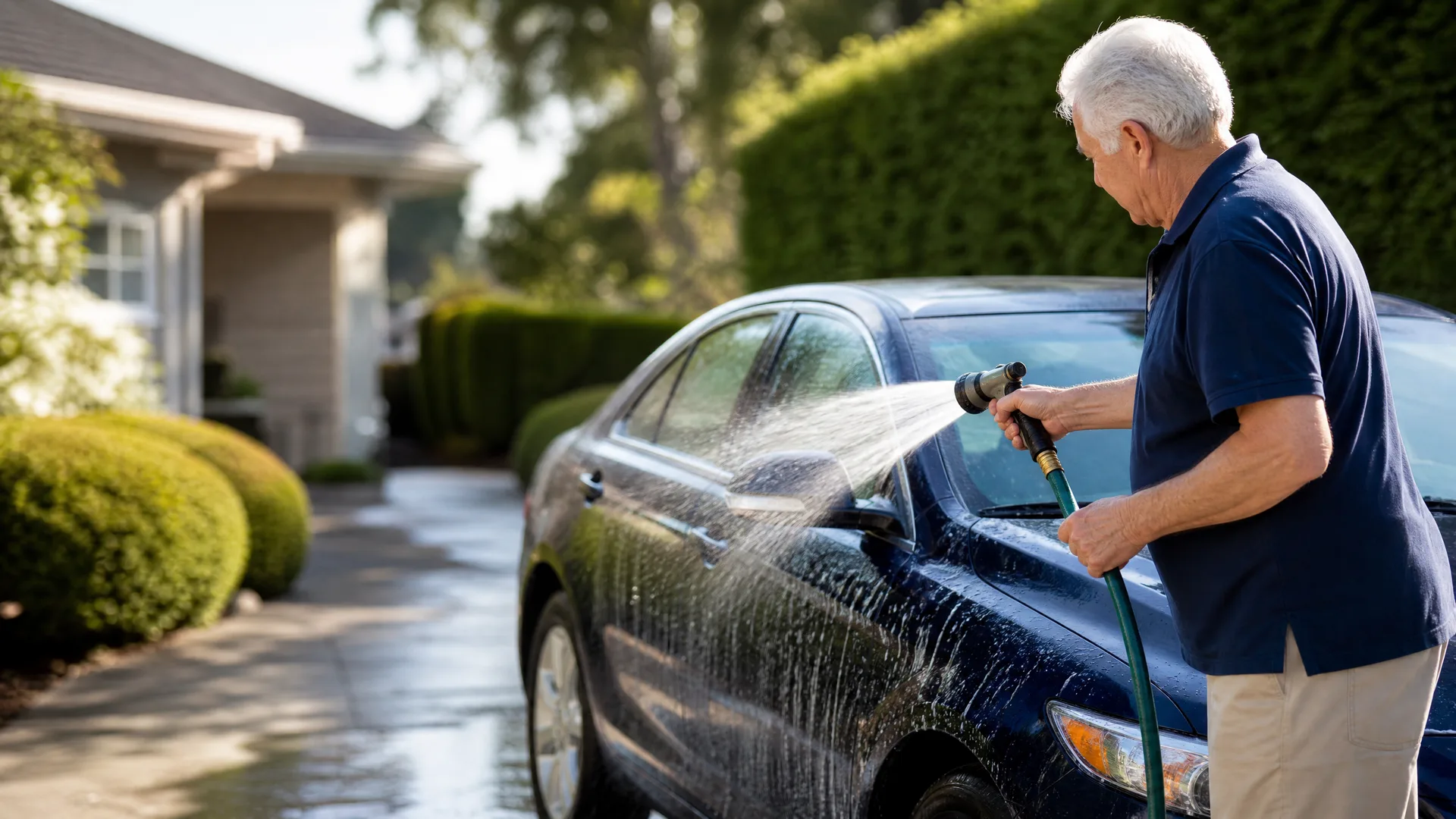
Utah License Renewal at 80: Testing Rules & Policy Adjustments
Free to compare
Does Utah require a road test at age 80?
Utah does not impose a mandatory road test at age 80, 85, or any specific age milestone. The state uses vision screening and medical condition reporting as renewal gatekeepers, not age-based road testing. If you pass the required vision exam and have no reportable medical conditions, you can renew by mail or online regardless of your age.
Vision testing becomes mandatory at age 65 in Utah, and you must pass it at every subsequent renewal — typically every five years. The standard is 20/40 corrected vision in at least one eye. If you wear glasses or contacts, bring them to the test. If you fail the vision screening, the Utah Driver License Division may restrict your license to daylight hours only or require corrective lenses, or in cases of severe impairment, deny renewal until vision improves.
A road test becomes required only if a medical professional, law enforcement officer, or family member files a medical review request with the Driver License Division, or if you've accumulated violations that trigger a reexamination. Age alone does not trigger this process. Under current state requirements, your driving record and medical status determine testing frequency, not the year you were born.
What triggers enhanced screening or a skill assessment in Utah?
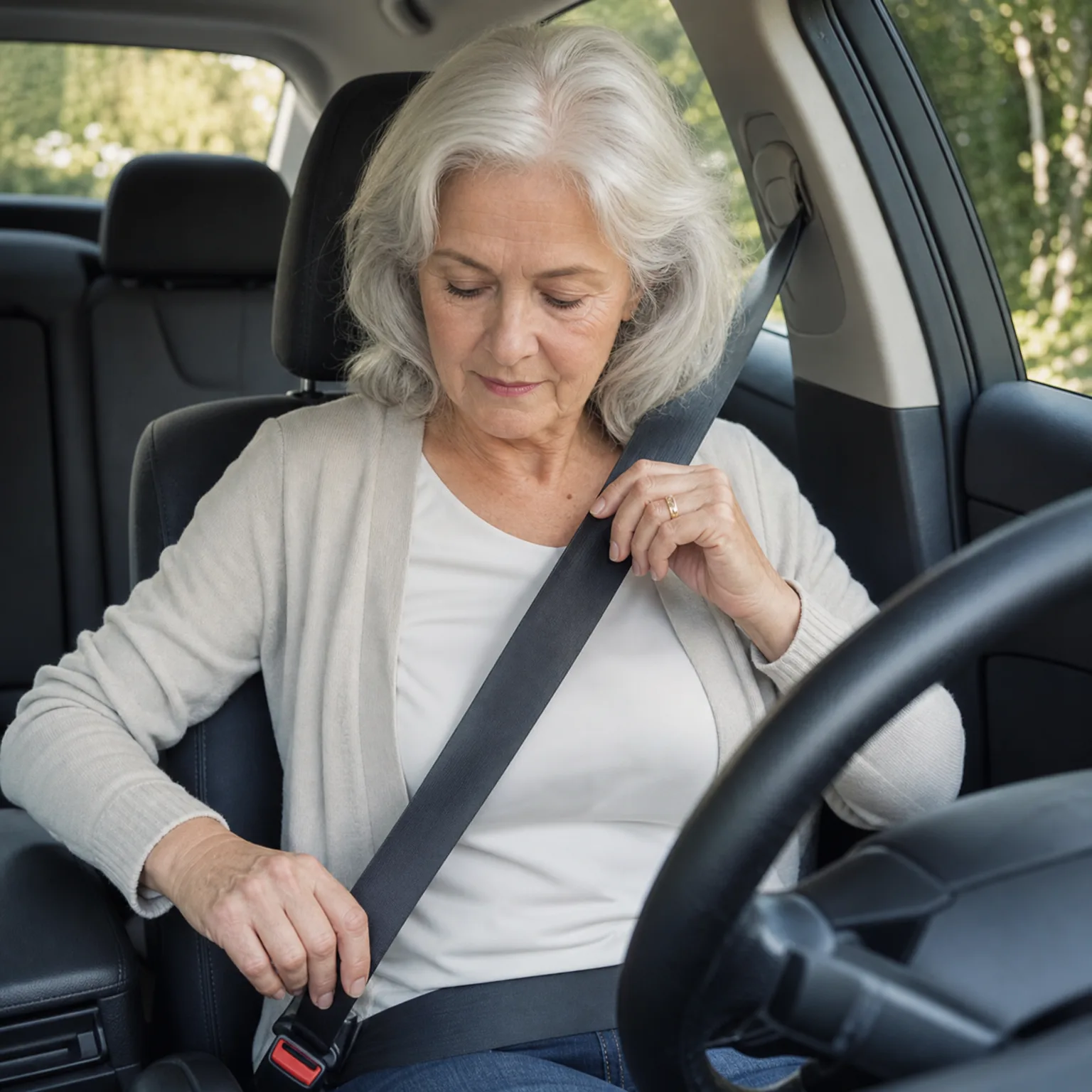
Utah's Driver License Division can require a knowledge test, vision retest, or behind-the-wheel driving assessment when specific conditions appear on your record or in reported medical documentation. Trigger events include two or more moving violations within 12 months, any at-fault accident with injury, a physician's report indicating vision loss or cognitive decline, or a law enforcement officer's formal request following a traffic stop.
Medical conditions that frequently trigger skill assessments include diagnosed dementia or Alzheimer's disease, uncontrolled seizure disorders, severe vision impairment not correctable to 20/40, and conditions affecting motor control or reaction time. If your doctor submits a Medical Review Request to the state, the Division evaluates whether your condition affects driving ability. This review can result in restrictions (daylight driving only, limited radius, no freeway driving), required medical clearance before renewal, or license suspension if risk is deemed unacceptable.
Family members can also initiate a driver reexamination by submitting a written request to the Driver License Division. The request must describe specific observed behaviors — getting lost on familiar routes, failing to notice traffic signals, difficulty judging speed or distance. The Division reviews the request and may require you to complete a knowledge test, vision test, or road test before your next renewal. This process is confidential; the driver is not told who filed the request.

How Utah's vision requirement affects renewal after 65
Every Utah driver aged 65 and older must pass an in-person vision screening at each renewal, even if renewing a license that doesn't expire for another five years. Online and mail renewal options disappear once you turn 65 — you must visit a Driver License office and pass the 20/40 corrected vision standard. If you wear corrective lenses, your license will be marked with a "B" restriction requiring glasses or contacts while driving.
If you fail the initial vision screening, the examiner will allow you to return within 30 days with updated corrective lenses or documentation from an eye care professional. Peripheral vision is also evaluated; Utah requires a field of vision of at least 120 degrees combined. Drivers who cannot meet the 20/40 standard in both eyes but can meet it in one eye may still qualify, but the license will carry a daylight-only restriction in many cases.
Drivers with progressive vision conditions such as macular degeneration or glaucoma should coordinate their renewal timing with their ophthalmologist's treatment schedule. Renewing shortly after a successful treatment or procedure maximizes the chance of passing the vision screening on the first attempt. Missing the vision standard can delay renewal by weeks while you pursue corrective measures or medical documentation.
See What Drivers Over 65 Are Paying Now
See If You Qualify for DiscountsPolicy adjustments that make sense after 80 in Utah
Most drivers over 80 own vehicles outright, making full coverage a cost-versus-benefit decision rather than a lender requirement. If your vehicle is worth less than $5,000 and you have retirement savings or other assets to replace it, dropping collision and comprehensive coverage can reduce your annual premium by $400–$800. Liability coverage remains legally required and financially essential — Utah's minimum liability limits are far below what a serious injury claim costs.
Medical payments coverage becomes more complex once Medicare begins. Utah allows medical payments (MedPay) coverage to coordinate with Medicare, but Medicare is always the primary payer. MedPay can cover copays, deductibles, and expenses Medicare doesn't fully reimburse, but the value diminishes if you carry a Medicare Supplement plan that already fills those gaps. Review your current MedPay limit — many senior drivers carry $5,000 or more when their actual out-of-pocket exposure is far lower.
If you've reduced your driving to local errands and medical appointments, low-mileage discounts become significant. Most Utah carriers offer 5–15% discounts for drivers logging fewer than 7,500 miles annually, and some offer higher discounts for sub-5,000-mile usage. You'll need to verify mileage annually, either through odometer photos or a telematics device. Mature driver course discounts — typically 5–10% for three years following completion of an approved defensive driving course — are underutilized by Utah seniors despite being available from nearly every major carrier writing policies in the state.
What happens if you're asked to retake a road test
If the Utah Driver License Division determines a road test is necessary, you'll receive written notice specifying the reason for the reexamination and the deadline to complete it — typically 30 to 60 days from the notice date. You can schedule the test at any Driver License office that offers behind-the-wheel testing, and you must provide a vehicle in safe operating condition with current registration and proof of insurance.
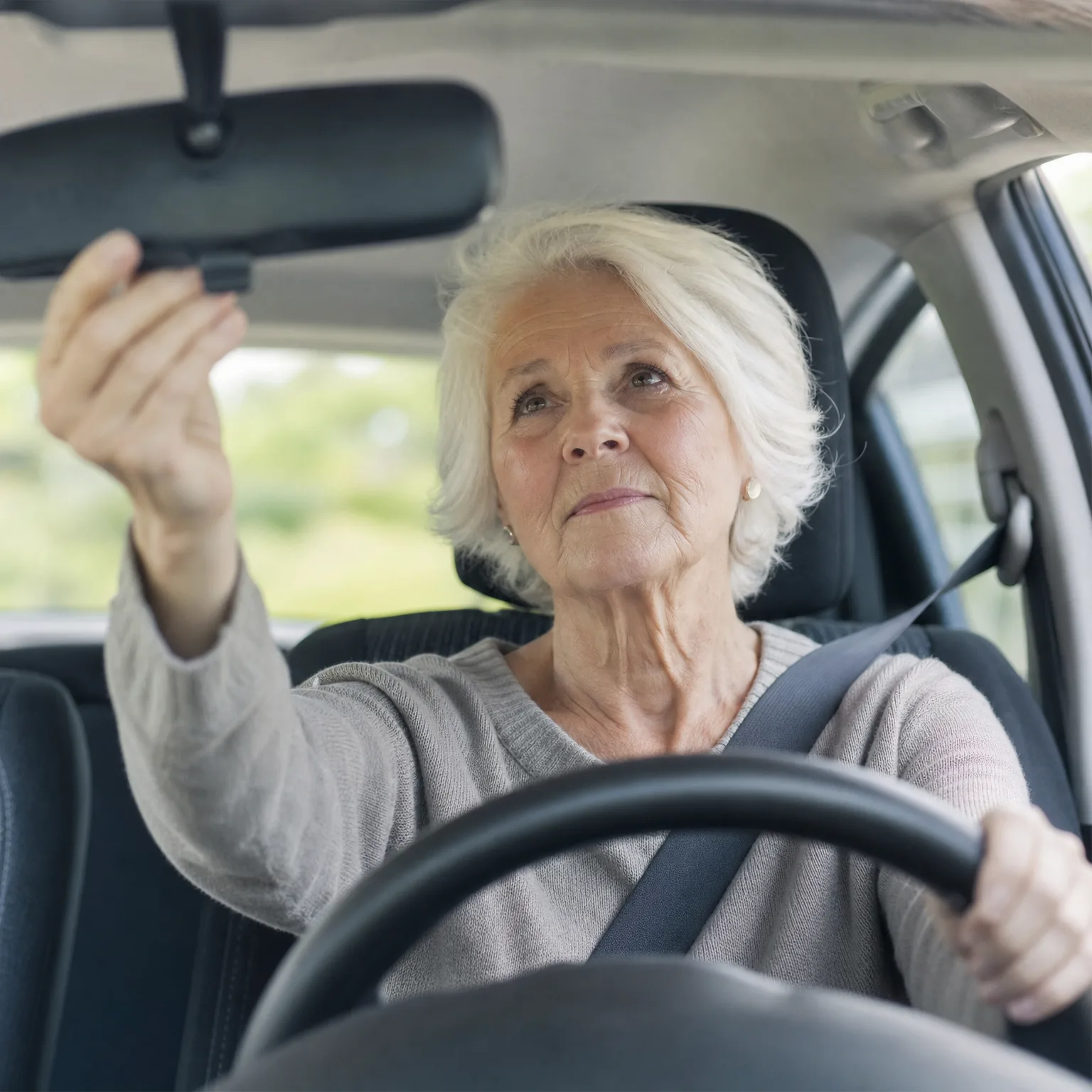
The road test evaluates standard driving tasks: merging, lane changes, parallel parking, obeying traffic signals, maintaining appropriate speed, and checking mirrors and blind spots. The examiner scores your ability to perform these tasks safely and lawfully. Common issues that result in failure for senior drivers include delayed reaction to traffic signals, difficulty checking blind spots due to reduced neck mobility, and hesitation when merging into faster-moving traffic.
If you fail the road test, Utah allows you to retake it after a waiting period — typically 7 days. You can retake the test as many times as needed within the reexamination window, but if you do not pass before the deadline, your license will be suspended until you either pass or provide medical documentation resolving the Division's concerns. Some senior drivers benefit from a few hours with a driving instructor who understands the state's testing rubric before attempting the reexamination.

How to prepare for your next Utah renewal after 80
Schedule an eye exam with your optometrist or ophthalmologist within 90 days of your renewal date. Confirm your corrected vision meets or exceeds 20/40, and bring your current prescription glasses or contacts to the Driver License office. If your vision has changed significantly since your last renewal, update your prescription before attempting the state screening — failing the vision test delays renewal and adds a second trip.
Gather required documentation before your appointment: current driver license, proof of Social Security number (card or W-2), and two documents proving Utah residency (utility bill, bank statement, or mortgage statement dated within the last 90 days). If you've changed your address since your last renewal, bring additional proof of your current residence. Utah does not accept online renewal for drivers 65 and older, so in-person appearance is mandatory.
If you take medication that affects vision, alertness, or reaction time, bring a list of your current prescriptions or a letter from your physician confirming the medication does not impair driving ability. The Driver License Division may request this documentation if your medical history raises questions during the renewal process. Drivers managing conditions such as diabetes, sleep apnea, or heart disease should have recent medical clearance documentation available, even if not explicitly required — it can prevent delays if the examiner requests additional information during your visit.
Frequently Asked Questions
Can my doctor report me to the Utah DMV without my permission?
Yes. Utah law allows physicians to file a Medical Review Request with the Driver License Division if they believe a patient's medical condition impairs safe driving. The report is confidential, and the Division evaluates whether testing or restrictions are warranted. Doctors are not required to notify you before filing, though many do as part of patient communication.
Does Utah offer online renewal for drivers over 80?
No. Utah requires all drivers aged 65 and older to renew in person at a Driver License office and pass a vision screening at each renewal. Online and mail renewal options are not available once you turn 65, regardless of your driving record or health status.
How much does a mature driver course reduce insurance rates in Utah?
Most carriers writing policies in Utah offer a 5–10% discount for three years following completion of an approved defensive driving course, such as those offered by AARP or AAA. The discount applies to your base premium and renews if you retake the course every three years. Availability and exact discount percentages vary by carrier.
What happens if I fail the vision test at my Utah license renewal?
You have 30 days to return with updated corrective lenses or documentation from an eye care professional showing you meet the 20/40 standard. If you cannot meet the vision requirement, the Division may issue a restricted license allowing daylight driving only, or deny renewal until your vision improves or stabilizes with treatment.
Related Articles

Utah License Renewal at 75: Tests, Restrictions & Rates
4/29/2026

Utah Vision Test at License Renewal for Seniors
4/29/2026
Utah License Renewal at 70: Vision & Insurance Impact
4/29/2026

License Renewal at 85 in Utah: Test & Insurance Guide
4/29/2026
Idaho License Renewal at 80: Road Test Rules
4/29/2026

SD License Renewal at 80: Tests, Restrictions, Rates
4/29/2026