
What Happens at Age 80 License Renewal in Washington State
Free to compare
Does Washington require a road test at age 80?
Washington does not require a road test solely based on turning 80. The state uses a medical review system instead: your renewal triggers a vision screening requirement, and the Department of Licensing can request medical evaluations if your driving record shows specific patterns (three collisions in 36 months, certain traffic violations, or a physician report filed under RCW 46.20.031). This puts you in a different position than states like Illinois or New Hampshire that mandate road tests at 75 or 80.
The vision screening happens at every renewal after age 70, not just at 80. You'll test at 20/40 minimum in at least one eye, with or without corrective lenses. If you wear glasses while driving, bring them to the licensing office. Failure triggers a report to your eye care provider and a 60-day window to submit corrective documentation or retake the test.
What catches most 80-year-old drivers off guard is the conditional license outcome. If DOL flags your record or receives a physician report, they can issue a renewal with restrictions you didn't request: daylight-only driving, geographic radius limits, or prohibition from freeway use. These conditions appear on your physical license without prior negotiation, and many seniors discover them only when reviewing the card after it arrives by mail.

What triggers enhanced medical review at license renewal?
Washington DOL initiates medical review based on three specific data points: collision frequency (three or more reportable collisions within 36 months), moving violations indicating impairment or confusion (wrong-way driving, repeated failure to yield, signal violations in quick succession), or a physician's duty-to-report filing under state law. Physicians in Washington are required to report drivers they believe cannot operate a vehicle safely due to a physical or mental condition, and this report goes directly to DOL before you renew.
The collision threshold is the most common trigger for drivers 80+. Washington counts all collisions where a police report was filed, regardless of fault determination. If you were rear-ended twice at stop signs and sideswiped once in a parking lot over three years, that pattern can trigger review even if you received no citations. DOL does not weigh fault — they count incidents as a proxy for risk exposure.
Once flagged, you receive a medical review packet requiring your physician to complete a functional assessment form. This form asks about vision, cognitive function, reaction time, and any medications that impair driving ability. Your doctor does not approve or deny your license — they report conditions, and DOL makes the licensing decision. The form is detailed: it includes questions about your ability to recognize traffic signals, judge distances, and respond to unexpected hazards. Most family practice physicians complete it in one visit if you're prepared with your current medication list and any specialist reports related to vision or neurological health.
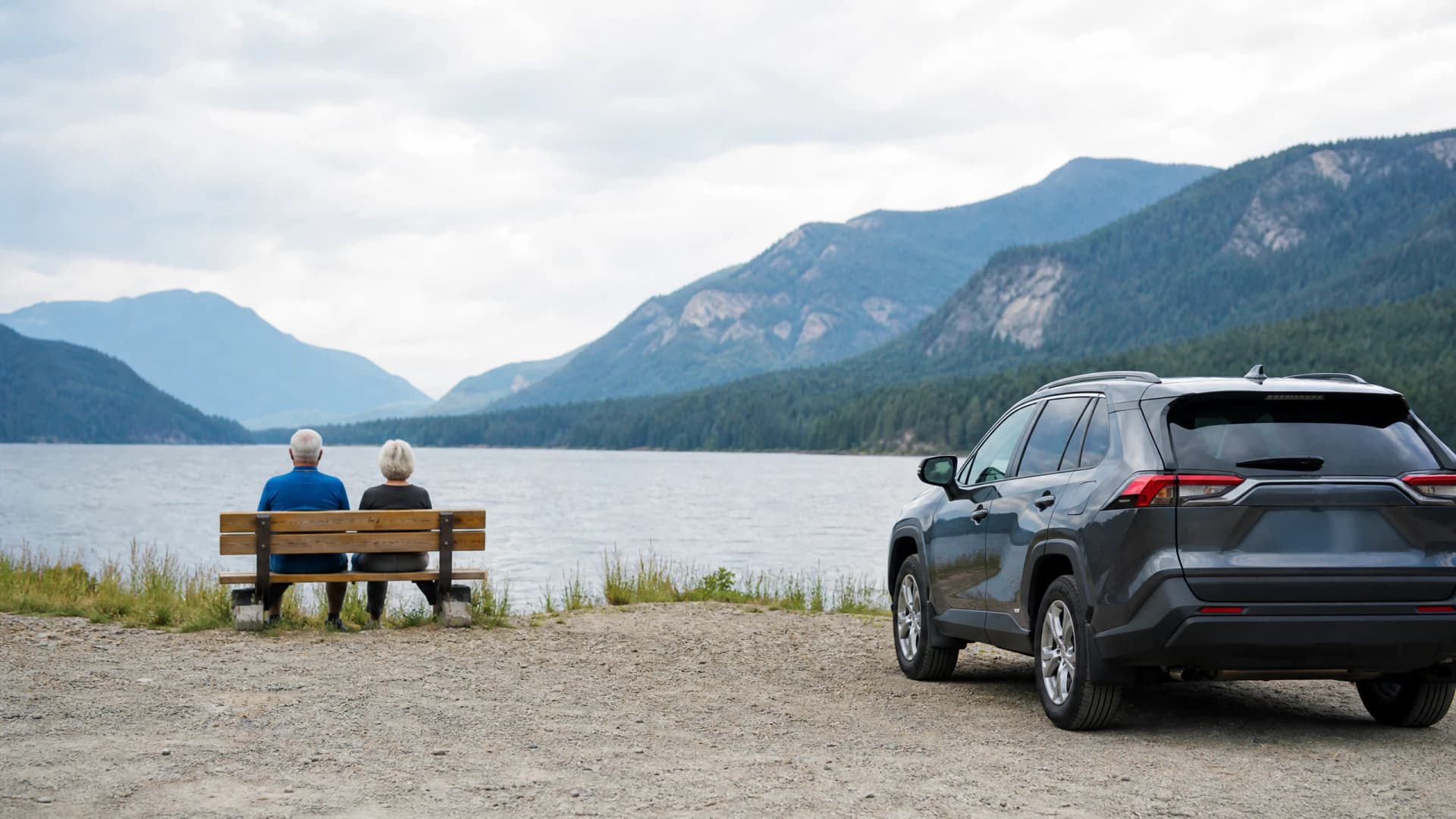

How conditional licenses restrict senior drivers in Washington
Conditional licenses in Washington fall into several categories, and the restriction prints directly on the license card itself. The most common for drivers 80+ are daylight-only restrictions (no driving between sunset and sunrise), geographic limitations (radius restrictions, often 10 or 25 miles from home address), and prohibition from limited-access highways. DOL can also impose requirements for adaptive equipment (left-foot accelerator, spinner knobs, extended mirrors) or annual re-examination intervals instead of the standard renewal cycle.
You do not negotiate these restrictions in advance. DOL reviews your medical evaluation, collision history, and any physician reports, then issues the license with conditions already printed. The first notification most drivers receive is the physical card arriving by mail with the restriction line filled in. There is no preliminary offer or discussion phase where you can contest the parameters before they become active.
If you disagree with a conditional license, Washington provides a hearing process through the Department of Licensing Driver Improvement section. You can request a hearing within 30 days of receiving the restricted license, and you may present evidence from your physician, driving evaluations from certified instructors, or collision reports showing non-fault determinations. The hearing officer has authority to remove, modify, or uphold the restrictions. Most senior drivers who successfully remove daylight-only restrictions do so by completing a certified driving rehabilitation evaluation showing functional competence in varied conditions, then submitting that third-party assessment as evidence.

See What Drivers Over 65 Are Paying Now
See If You Qualify for DiscountsWhat policy adjustments make sense after an 80th birthday renewal
If your Washington renewal at 80 comes back unrestricted, your auto insurance coverage should still be reassessed based on mileage changes and vehicle value. Most drivers 80+ have reduced their annual mileage significantly compared to their working years — if you're now driving under 7,500 miles annually (the threshold where most carriers offer low-mileage discounts), contact your insurer directly to request the discount and confirm odometer documentation requirements. This discount typically reduces premiums 10-20%, but it is not automatically applied at renewal even if your carrier has your current mileage on file.
If you received a conditional license with geographic or time restrictions, your collision and comprehensive coverage costs may drop moderately, but liability coverage should not be reduced. A daylight-only restriction does not lower your liability exposure in a fault claim — you still face the same financial risk if you cause injury or property damage within your permitted driving window. Comprehensive coverage remains valuable if your vehicle is fewer than 10 years old or worth more than $4,000, as theft and weather damage risk does not correlate with restricted driving patterns.
Medical payments coverage or personal injury protection becomes more important after 80 because Medicare does not cover all accident-related expenses immediately. Washington is a fault state, so if you're injured in a collision caused by another driver, you'll file a claim against their liability policy — but that process can take months. Medical payments coverage (typically sold in $1,000 to $10,000 limits) pays your immediate out-of-pocket costs regardless of fault, including Medicare deductibles, co-pays for physical therapy, and transportation to medical appointments. For drivers 80+ on fixed income, a $5,000 medical payments limit costs approximately $8-15 per month and eliminates the cash flow gap between an accident and a settlement.

How to prepare for your Washington renewal at age 80
Schedule a vision exam with your eye care provider 60-90 days before your renewal date. Bring the results to your DOL appointment or have your provider submit them electronically if your prescription has changed in the past year. If you've had cataract surgery, LASIK, or any procedure affecting your corrected vision since your last renewal, have documentation from your ophthalmologist confirming your current visual acuity meets the 20/40 standard. This prevents delays if the in-office screening shows borderline results.
If you've had any collisions in the past three years, obtain copies of all police reports and collision summaries from your insurance carrier before renewing. Washington DOL has access to your collision history through state databases, but you want your own copies to review what's on record. If a collision was recorded incorrectly (for example, listed as your fault when the other driver was cited), contact Washington State Patrol to request a correction before your renewal processes. Correcting the record after a conditional license is issued is procedurally harder than fixing it beforehand.
If your physician has discussed any concerns about your driving with you in the past year — even informally — ask directly whether they plan to file a duty-to-report form. Washington law gives physicians discretion to report, and many will discuss it with you first rather than filing without warning. If a report is likely, request a functional driving evaluation from a certified driving rehabilitation specialist before your renewal. These evaluations cost $300-500 in the Seattle and Spokane areas and produce a third-party assessment you can submit alongside your renewal application, giving DOL an objective performance baseline rather than relying solely on your physician's clinical judgment.
Frequently Asked Questions
Can I renew my Washington driver's license online at age 80?
No. Washington requires in-person renewal for drivers 70 and older because of the mandatory vision screening requirement. You must visit a DOL licensing office and complete the vision test as part of the renewal process, which cannot be administered remotely.
Does my car insurance rate increase automatically at age 80 in Washington?
Rates typically increase 8-15% between ages 75 and 80 in Washington, but the increase is not automatic on your birthday. Carriers apply age-based rate adjustments at your policy renewal date, and the timing depends on when your annual or six-month policy term renews relative to your birthday. If you qualify for mature driver course discounts or low-mileage programs, those can offset or eliminate the age-related increase.
What happens if I fail the vision test at my Washington renewal?
You receive a 60-day extension to obtain corrective lenses, treat the underlying vision issue, or submit documentation from your eye care provider showing you meet the 20/40 standard with correction. If you do not pass a retest or submit acceptable documentation within 60 days, your license expires and you must stop driving until the vision requirement is satisfied.
Can I appeal a conditional license in Washington if I'm 80?
Yes. You can request a hearing through DOL's Driver Improvement section within 30 days of receiving the restricted license. You may present evidence including physician evaluations, certified driving assessments, or corrected collision records. The hearing officer can remove, modify, or uphold the restrictions based on the evidence presented.
Related Articles

WA License Renewal at 85: Testing & Insurance Impact
4/29/2026
WA License Renewal at 75: No Medical Test Required
4/29/2026

Vision Loss & WA License Renewal: Senior Driver Guide
4/29/2026

WA License Renewal at 70: Vision & Insurance Impact
4/29/2026

DC License Renewal at 85: Tests and Insurance Impact
4/29/2026

DC License Renewal at 80: Vision, Road Test Rules
4/29/2026