License Renewal at 85 in California: What to Expect and Prepare For
Free to compare
California Requires In-Person Renewal and Vision Testing at Age 85
Starting at age 70, California drivers must renew in person every 5 years. At 85, you cannot renew online or by mail regardless of driving record. The DMV requires vision testing at every renewal, and examiners have authority to require written or behind-the-wheel testing if they observe concerns during your visit or if you've had recent accidents or citations.
The vision standard is 20/40 in at least one eye, with or without corrective lenses. If you test between 20/40 and 20/70, you may receive a restriction requiring corrective lenses or limiting driving to daylight hours. Below 20/70 in both eyes without improvement requires referral to the Driver Safety office for evaluation. Approximately 92% of California drivers aged 85 and older pass renewal on first attempt under current requirements.
You'll receive a renewal notice roughly 60 days before expiration. Schedule your appointment immediately — many DMV offices book 3-4 weeks out, and driving with an expired license voids your auto insurance coverage.
What Happens If the DMV Requires a Driving Test at Your Renewal
The examiner can require a driving test if your vision result is borderline, if you report medical conditions affecting driving ability, or if DMV records show recent accidents or moving violations. This is discretionary, not automatic at 85. The behind-the-wheel test covers basic skills: lane control, turns, backing, stopping distance, and intersection navigation.
If you do not pass the driving test on first attempt, the DMV issues a temporary license valid 60-90 days and schedules a retest. You may drive during this period. If you fail the retest, DMV may offer another attempt or refer you to Driver Safety for formal review. A referral does not mean automatic license suspension — it means additional evaluation, which may include medical documentation from your physician.
Failure to appear for a scheduled retest or Driver Safety hearing results in automatic license suspension. Once suspended, you cannot legally drive, and your insurance policy will lapse or require non-driver status adjustment. Most carriers will not reinstate coverage until the license is reinstated, even if you don't plan to drive regularly.
How License Renewal and Testing Affect Your Auto Insurance Rates
Passing your renewal does not increase your rates. California law prohibits carriers from raising premiums based solely on age or the fact that you underwent DMV testing. Rates increase based on claims, violations, or changes in actuarial risk pools — not because you renewed at 85.
What does affect rates: if the DMV adds a restriction (daylight-only driving, corrective lenses required, geographic limits), some carriers treat this as a risk indicator and may adjust your premium at next renewal. The increase is typically 5-12%, not the 20-30% jumps seen after at-fault accidents. If you complete a state-approved mature driver course within 6 months of renewal, California requires carriers to offer a discount — typically 5-10% for 3 years. Most carriers do not automatically apply this discount. You must request it and provide your certificate of completion.
If your license is suspended and later reinstated, expect significant rate impact. Reinstatement after suspension is treated similarly to a lapse in coverage, and many carriers will non-renew or increase premiums 25-40%. Shopping for new coverage after reinstatement is often necessary.
See What Drivers Over 65 Are Paying Now
See If You Qualify for DiscountsThe Conversation Your Family May Want to Have Before Your Renewal
Adult children often raise insurance and coverage questions around renewal time. The most common: whether you still need full coverage on a paid-off vehicle, whether your liability limits are sufficient given your assets, and whether you're receiving all applicable discounts.
If your vehicle is paid off and worth less than $5,000-$7,000, dropping collision and comprehensive may make financial sense. The coverage costs $40-$80/month for many senior drivers, and a total-loss payout would be limited to actual cash value minus deductible — often $3,000-$4,500 after depreciation. That's 4-9 years of premium. If you're driving fewer than 5,000 miles annually, low-mileage programs can reduce your rate 10-20%, and some carriers now offer usage-based programs that don't require a telematics device — just periodic odometer verification.
Liability limits are the other priority. California's minimum is 15/30/5 — $15,000 per person for injury, $30,000 per accident, $5,000 for property damage. If you own a home or have retirement assets above $100,000, those minimums expose you to significant risk in a serious at-fault accident. Increasing to 100/300/100 typically costs $15-$30/month more and provides meaningful asset protection.
Preparing for Your In-Person Renewal Appointment
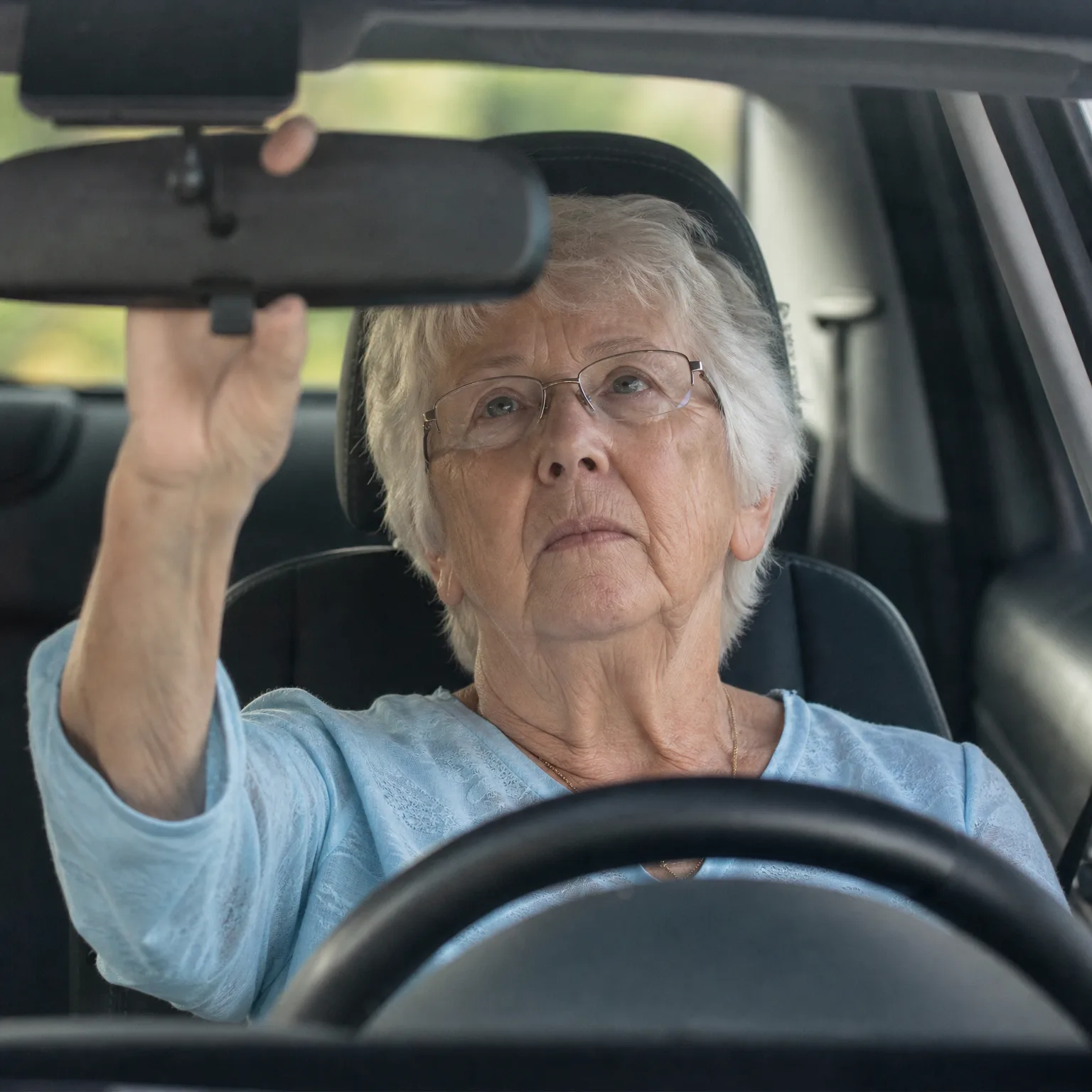
Bring your renewal notice, current license, proof of insurance, and any medical documents if you've had recent eye surgery or conditions affecting vision. If you wear glasses or contacts, bring them — the vision test is conducted with corrective lenses if you use them. Arrive 15 minutes early. DMV offices are understaffed and delays are common.
If you're concerned about the vision test, schedule an eye exam with your optometrist 2-4 weeks before your renewal. California accepts updated prescriptions, and your optometrist can tell you whether you'll meet the 20/40 standard. If you're borderline, updating your prescription before the DMV visit improves your odds of passing without restriction. The DMV does not accept home vision tests or online results — only licensed optometrist or ophthalmologist documentation.
If the examiner requires a written test, it covers current traffic laws, right-of-way rules, and California-specific regulations like school zone speed limits and red curb restrictions. The DMV offers a practice test on its website and a handbook available in large print. Most senior drivers who fail the written test do so on recently updated rules, not on core driving knowledge.
Insurance Considerations If You Decide Not to Renew or Reduce Driving
Some drivers use the 85 renewal as a planned exit point. If you decide not to renew, notify your insurance carrier immediately. You cannot maintain an active auto policy without a valid license unless you formally designate another licensed household member as the primary driver. If you keep the vehicle but don't drive it, you'll need parked car coverage — typically comprehensive-only with liability removed.
If you plan to drive occasionally but not daily, verify whether your carrier allows a rated driver to remain on the policy with reduced annual mileage. Some companies require the vehicle to have at least one regularly licensed driver who uses it more than 50% of the time. If you live alone and drive fewer than 2,000 miles annually, you may face non-renewal unless you switch to a non-standard or specialty senior driver program.
If a family member will be driving your vehicle regularly, they must be listed on your policy. Adding an adult child or other household member as the primary driver often increases your premium, but it's required — unlisted regular drivers create claim denial risk.
Frequently Asked Questions
Can I renew my California driver's license online at age 85?
No. California requires in-person renewal starting at age 70, with renewals every 5 years. At 85, you must visit a DMV office for vision testing and potential additional assessments regardless of your driving record.
Will my car insurance rates go up after I renew my license at 85 in California?
Passing your renewal does not increase rates — California law prohibits rate increases based solely on age or renewal testing. Rates may increase if the DMV adds driving restrictions or if you have recent claims or violations, typically 5-12% for restrictions.
What vision standard do I need to meet to renew my license at 85 in California?
You must have 20/40 vision or better in at least one eye, with or without corrective lenses. Vision between 20/40 and 20/70 may result in restrictions like daylight-only driving. Below 20/70 in both eyes requires Driver Safety referral.
Does California require a driving test at age 85 renewal?
Not automatically. The DMV can require a behind-the-wheel test if your vision is borderline, if you report medical conditions, or if your record shows recent accidents or violations. Approximately 92% of drivers aged 85 and older pass renewal on first attempt without additional road testing.
How do I get the mature driver discount in California after renewing at 85?
Complete a state-approved mature driver course and submit your certificate to your insurance carrier. California law requires carriers to offer a discount — typically 5-10% for 3 years — but most do not apply it automatically. You must request it.
Related Articles

CA License Renewal at 70: Vision Test & Insurance
4/29/2026
CA License Renewal at 75: Medical Tests & Insurance Impact
4/29/2026

CA License Renewal at 80: Test Triggers & Requirements
4/29/2026
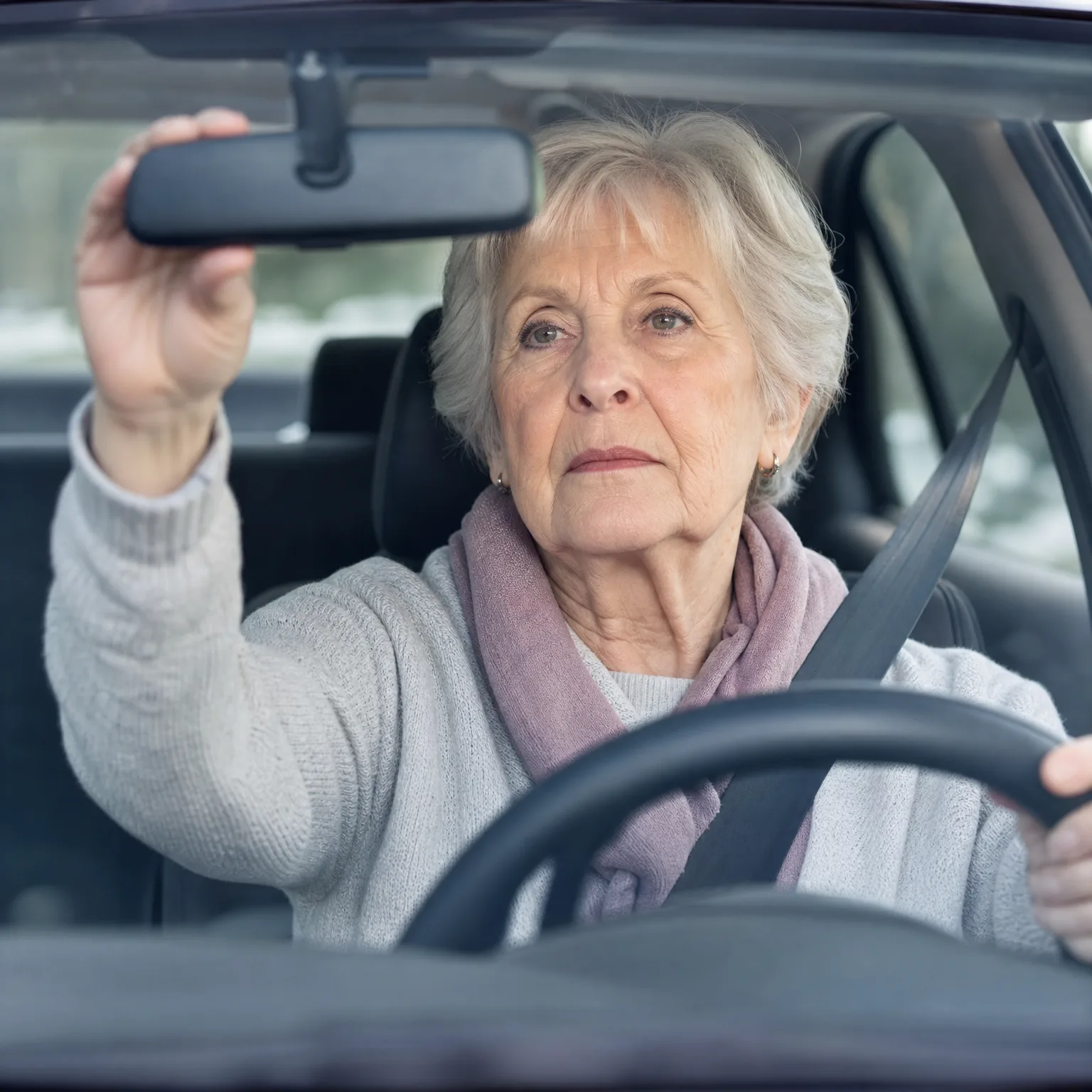
Vision Deterioration & CA License Renewal for Seniors
4/29/2026

Nevada License Renewal at 85: Testing & Insurance
4/29/2026
DC License Renewal at 85: Tests and Insurance Impact
4/29/2026