License Renewal at 85 in Nebraska: Testing, Family Talks, Coverage
Free to compare
What Nebraska Requires at Age 85 Renewal
At 85, Nebraska requires you to renew your driver's license in person at a DMV office and pass a vision test. You cannot renew online or by mail. The vision standard is 20/40 in at least one eye, with or without corrective lenses, and a horizontal field of vision of at least 140 degrees.
If you wear glasses or contacts, bring them to the appointment. If you don't meet the vision standard with current correction, the examiner may require a report from your eye doctor before issuing the renewal. Nebraska does not automatically require a road test at 85 unless the examiner observes a specific concern during your visit or you've had recent violations.
Your license remains valid for five years if you pass the renewal requirements. The fee is $26.50 for a standard Class O operator license. Schedule your appointment online through the Nebraska DMV or call ahead — walk-in availability varies by location and wait times can exceed two hours in Lincoln and Omaha offices.
Why the In-Person Requirement Creates a Natural Decision Point
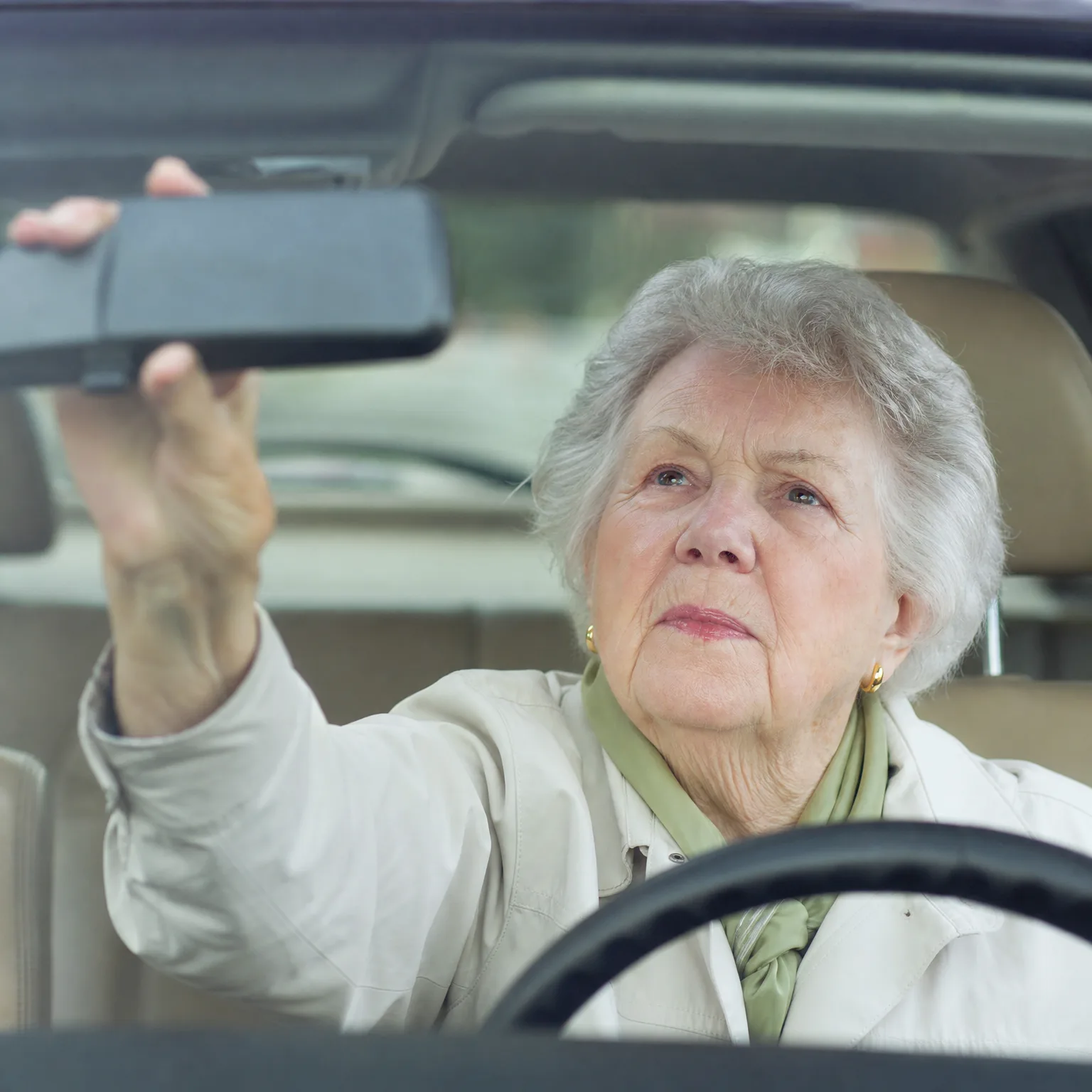
Most drivers over 80 renew without issue, but the in-person appointment forces a question many avoid: whether your current driving patterns still match the coverage you're paying for. If you've reduced your mileage significantly since retirement, stopped highway driving, or primarily drive during daylight hours within a few miles of home, you may be over-insured on collision and comprehensive while leaving mature driver discounts unclaimed.
Nebraska does not mandate mature driver course discounts, but most major carriers operating in the state offer 5–10% premium reductions for drivers who complete an approved course. AARP and AAA both offer online options that take 4–6 hours and cost $20–$25. The discount applies for three years in most cases, but carriers won't notify you when it expires — you must re-certify and request the renewal.
If you're driving fewer than 7,500 miles per year, low-mileage programs from carriers like Nationwide, Metromile, and State Farm can reduce premiums by 10–30%. These programs require either self-reporting or a plug-in device that tracks actual mileage. Many senior drivers who qualify don't ask because they assume their current rate already reflects reduced driving.

How to Start the Conversation With Family About Driving Changes
The license renewal appointment is the least confrontational moment to involve adult children or family members in reviewing your driving situation. Frame it as a financial review tied to a scheduled event, not a referendum on your competence. Start with coverage adjustments and discount opportunities before discussing whether driving reduction makes sense.
Ask one specific question: "I'm renewing my license next month — should we review whether I'm still getting the best rate for how much I actually drive?" This shifts the conversation from capability to cost, which most families find easier to discuss openly. Bring your current policy declaration page, your annual mileage estimate, and a list of trips you make regularly.
If family members raise concerns about your driving, ask for specifics rather than generalities. "I've noticed you seem less comfortable at night" is actionable. "We're worried about your safety" is not. If night vision, highway merging, or left turns across traffic have become more difficult, restricting driving to daylight hours or familiar routes may be a middle option that preserves independence while addressing legitimate concerns.
When Full Coverage Stops Making Financial Sense
If your vehicle is paid off and worth less than $4,000, collision and comprehensive coverage may cost more over two years than you'd recover in a total loss claim after the deductible. Nebraska does not require collision or comprehensive — only liability coverage. Dropping both saves $400–$800 annually for most senior drivers with older vehicles.
Calculate the break-even point: multiply your annual collision and comprehensive premium by two, then subtract your deductible. If that total exceeds your vehicle's actual cash value, you're paying more for coverage than you could collect. Check your vehicle's value using Kelley Blue Book or NADA — use the "trade-in" value, not "private party," because that's closer to what an insurer pays in a total loss.
Keep liability coverage at higher limits than the state minimum. Nebraska requires 25/50/25 — $25,000 per person for bodily injury, $50,000 per accident, and $25,000 for property damage. If you own a home or have retirement savings, carry at least 100/300/100. Liability protects your assets if you cause an accident, and the cost difference between minimum and adequate limits is typically $15–$30 per month.

See What Drivers Over 65 Are Paying Now
See If You Qualify for Discounts
How Medicare Interacts With Auto Insurance After an Accident
Medicare does not cover injuries from auto accidents — your auto insurance medical payments coverage or personal injury protection pays first. Nebraska does not require medical payments coverage, but most policies include $5,000 as a default option. If you drop it to save money, Medicare will eventually cover accident-related medical bills, but only after your auto insurer confirms no applicable coverage exists.
This creates a gap: Medicare pays with a delay while the claims process resolves, and you may face upfront costs. Medical payments coverage of $5,000–$10,000 costs $30–$60 annually and pays immediately regardless of fault. For senior drivers on Medicare, this coverage prevents out-of-pocket expenses while the two systems determine payment responsibility.
If you're injured as a passenger in someone else's vehicle, that driver's liability coverage pays first, your own medical payments coverage pays second, and Medicare pays third. If the at-fault driver is uninsured, your uninsured motorist coverage applies before Medicare. Keep records of all three coverage sources and notify Medicare within 120 days of an auto accident to avoid claim denials.
What Happens to Your Insurance Rate After Renewal
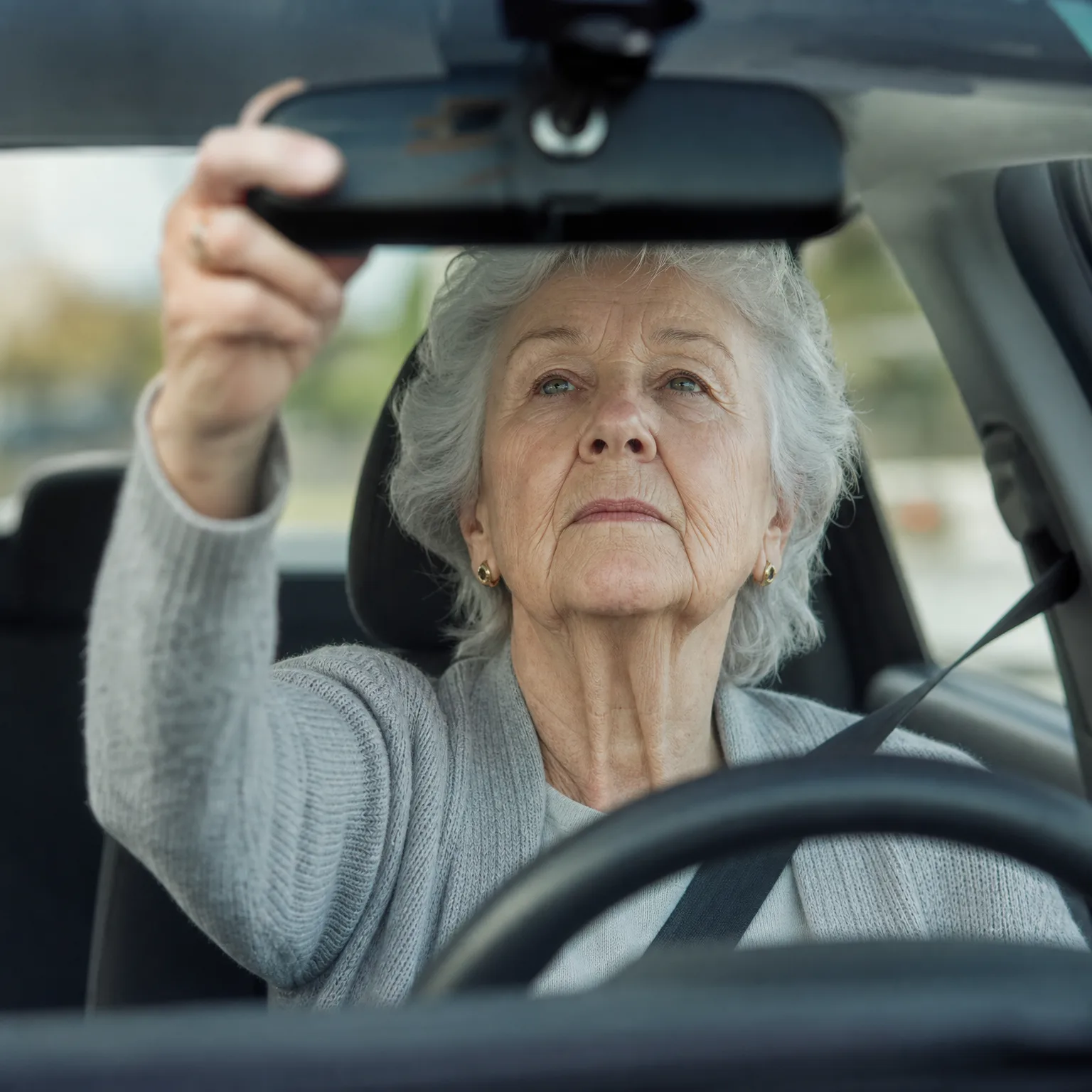
Renewing your license does not trigger an automatic rate increase, but your age does. Most carriers increase premiums for drivers over 75, with steeper increases starting at 80. In Nebraska, senior drivers aged 80–85 typically see annual rate increases of 8–15% even with no accidents or violations. After 85, increases can reach 20–30% depending on the carrier.
These increases are actuarial, not punitive — they reflect claim frequency data for the age group, not your individual driving record. You cannot avoid them by switching carriers because all insurers use similar age-rating models. What you can control: discounts you're entitled to but not receiving, coverage you're paying for but no longer need, and mileage-based programs that reduce your rate based on actual use.
Under current state requirements, Nebraska allows insurers to use age as a rating factor without caps. Some states limit age-based increases for drivers with clean records, but Nebraska does not. Request a detailed premium breakdown from your agent that separates base rate changes from age-factor adjustments. If your increase exceeds 15% and you have no recent claims, ask your carrier to explain the specific rating factors that changed.
Steps to Take Before Your Renewal Appointment
Three weeks before your renewal date, request your current policy declaration page and a list of all discounts currently applied to your account. Compare that list against mature driver course discounts, low-mileage programs, and multi-policy discounts you may qualify for but haven't claimed. If you completed a defensive driving course more than three years ago, the discount has likely expired without notification.
Schedule a vision exam with your eye doctor if you've noticed any changes in your eyesight or if your last exam was more than a year ago. If you need an updated prescription, get new glasses or contacts before the DMV appointment. Failing the vision test delays your renewal and may require additional examiner review.
Gather documents you'll need at the DMV: your current license, proof of Social Security number, and proof of Nebraska residency if your address has changed. If you've moved within the past year, bring a utility bill or bank statement showing your current address. The DMV will not process your renewal without current residency documentation.
Frequently Asked Questions
Does Nebraska require a road test at 85?
Nebraska does not automatically require a road test at age 85. You must renew in person and pass a vision test, but a road test is only required if the DMV examiner observes a specific concern during your visit or if you have recent traffic violations on your record.
Can I renew my Nebraska license online at 85?
No. At 85, Nebraska requires in-person renewal at a DMV office. Online and mail renewal are not available for drivers 85 and older because the state mandates a vision test at each renewal cycle.
How much does car insurance increase after age 85?
Most carriers increase premiums 20–30% for drivers over 85 in Nebraska, even with a clean record. These increases are actuarial adjustments based on age-group claim data, not individual driving history. Mature driver discounts and low-mileage programs can offset part of the increase.
Should I drop collision coverage on a paid-off car?
If your vehicle is worth less than $4,000, collision and comprehensive coverage may cost more over two years than you'd recover in a total loss claim after the deductible. Calculate your vehicle's actual cash value and compare it to your annual premium plus deductible to determine whether the coverage remains cost-justified.
Does Medicare cover injuries from a car accident?
Medicare does not cover auto accident injuries until your auto insurance medical payments coverage or personal injury protection has been exhausted or confirmed unavailable. Medical payments coverage of $5,000–$10,000 pays immediately and prevents out-of-pocket costs while Medicare processes the claim.
Related Articles

Nebraska License Renewal at 80: Tests and Requirements
4/29/2026

Nebraska License Renewal at 70: Vision and Insurance
4/29/2026

Nebraska License Renewal at 75: Medical Rules & Rates
4/29/2026
Nebraska Vision Test at Renewal: Senior Driver Guide
4/29/2026

Nevada License Renewal at 85: Testing & Insurance
4/29/2026

Nevada License Renewal at 70: Vision, DMV & Insurance
4/29/2026