Hardest Parts of Learning to Drive Again as a Senior
The hardest parts are usually vision, reaction time, and confidence, and each one has a practical fix worth trying before you decide driving isn't for you.
Free to compare
It's rarely the driving itself that's hard
Most people who come back to driving later in life find that handling the car isn't the problem. The hard parts are the things around it: trusting your eyes at night, judging gaps in traffic the way you used to, and getting back the confidence to merge onto a fast road.
Those things are harder for some people than others. A lot depends on whether it's been months or years since you drove regularly, whether your vision or hearing has changed, and whether you're relearning after a health event or just after a long break. None of that means you can't get back to driving well. It means the plan for getting there looks different for each person.

How long you've been away from driving changes what's hard
Someone who stopped driving for a year drives differently than someone who stopped for a decade. The longer the gap, the more the habits fade: checking mirrors on a rhythm, judging how fast a car is closing from behind, knowing without thinking how much room a turn takes.
Those habits come back with practice, but they come back faster with structure than with just getting behind the wheel and hoping. A driving refresher course built for older adults walks through exactly these habits, in a car, with someone watching and correcting you.
If your break was tied to a medical event, a stroke, a surgery, a new diagnosis, talk to your doctor before you get back behind the wheel. Some conditions affect reaction time or attention in ways you can't fully judge on your own, and a doctor can tell you whether a formal driving evaluation makes sense first.
If your break was just time, the harder parts tend to be the ones that depend on speed: highway merging, left turns across traffic, reading a yellow light correctly. Those are also the parts that improve fastest with a few supervised hours.

Vision and reaction time matter more than people expect
Night driving is the one that catches people off guard. Eyes that used to adjust quickly to headlights and dark roads take longer to adjust as they age, and that's true even for people who haven't noticed any other change in their vision. Many people relearning to drive find they're fine in daylight and uneasy after dark, and that's a reasonable thing to work around rather than push through.
Reaction time is the other one. It doesn't disappear, it slows, and a slower reaction time matters most in the moments that come up without warning, a car braking suddenly, a kid stepping off a curb. This is part of why some states require a vision test or an in-person renewal at certain ages, and why an insurer may ask about recent driving courses or evaluations. Check with your state's DMV on what's required for your license renewal, since that rule is set at the state level and varies.
A driving evaluation, separate from a course, can tell you specifically where your reaction time and judgment stand right now, rather than how they compare to when you were younger. That's often more useful than a general sense that something feels slower.
Questions people ask about this
Is it normal to feel nervous driving again after a long break?
Yes, and it usually fades with practice rather than staying fixed. The nervousness is often tied to specific situations, highway speeds, busy intersections, parallel parking, rather than driving in general. Practicing those specific situations with someone else in the car, even a family member, tends to help more than avoiding them.
Will I need to retake a driving test to renew my license as a senior?
That depends entirely on your state. Some states require an in-person renewal, a vision test, or even a road test at certain points, and others don't change their renewal process based on age at all. Check your state DMV's renewal rules directly rather than assuming based on what a friend in another state experienced.
Does taking a senior driving refresher course lower my insurance rate?
Some insurers offer a discount for completing one, but it isn't automatic and it isn't universal. If you take a course, ask your insurer directly whether they offer a discount for it and what they need from you, usually a certificate, to apply it.
What should I do if I don't feel safe driving at night anymore?
Many people simply stop driving after dark and keep driving fine during the day, and that's a reasonable adjustment rather than a sign you need to give up your license. If night driving feels unsafe, mention it to your doctor, since it can sometimes point to a vision change worth checking.
How is a driving evaluation different from a driving test?
A driving evaluation looks at your specific abilities, reaction time, vision, judgment, usually with an occupational therapist or specialist, and gives you a detailed picture rather than a pass or fail. A driving test, by contrast, is what your state requires for licensing and only tells you whether you meet the minimum standard to drive.
If a health change or a new course is affecting how you drive, it's worth seeing how that shows up in your insurance options.
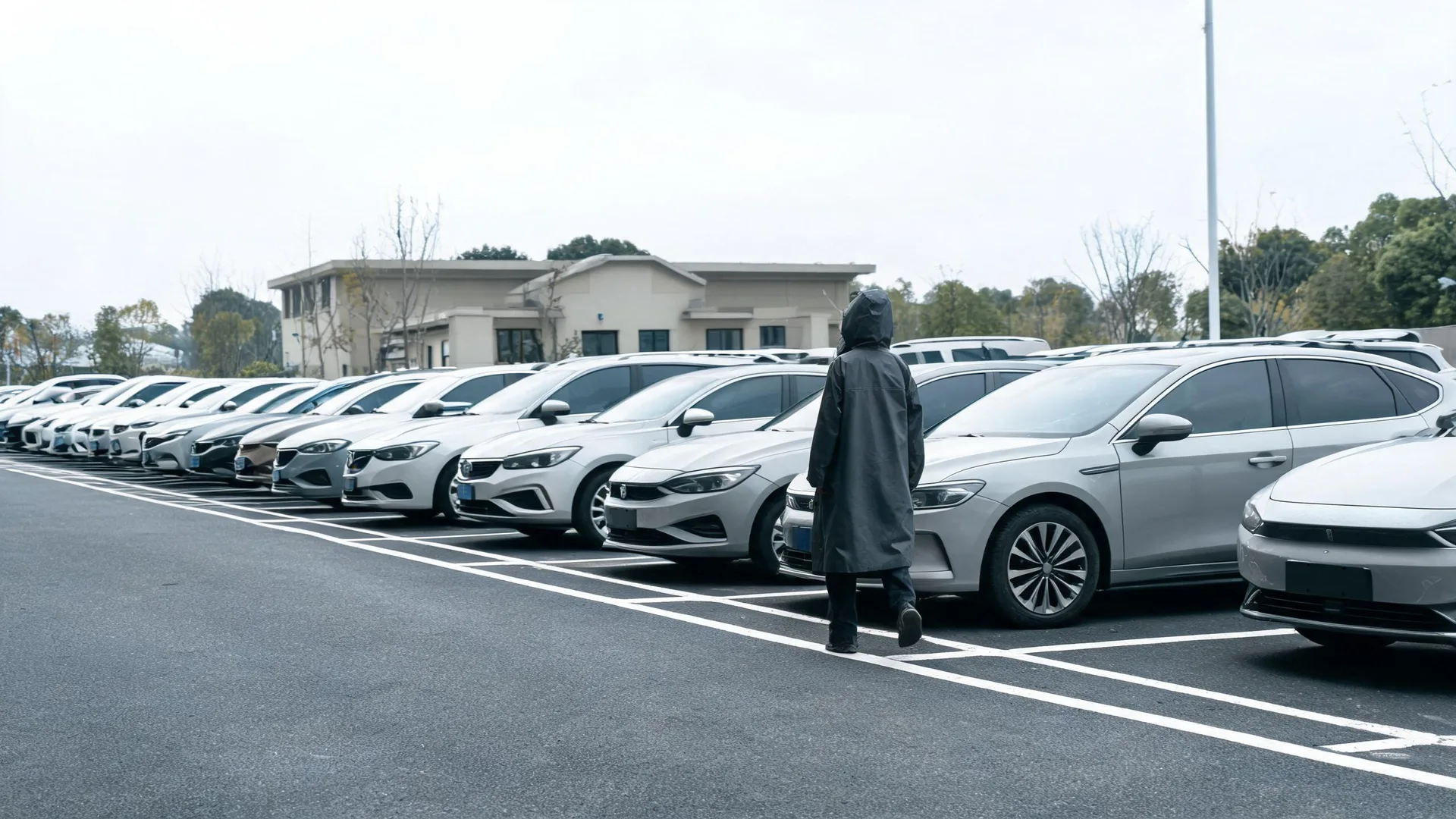
Start by calling your state's DMV or checking its website to find out what, if anything, it requires for license renewal at your age, since that varies by state. If you've had a long break or a health change, ask your doctor whether a driving evaluation makes sense before you get back on the road regularly. Look into a driving refresher course designed for older adults, many are offered locally through hospitals, community centers, or organizations like AARP. If you complete one, get the certificate and call your insurer directly to ask whether it qualifies for a discount and what they need to apply it. Keep a note of any vision or hearing changes you notice while driving, since those are worth mentioning at your next doctor's visit and your next license renewal.