
Heart Attack Recovery and Your CA License: Medical Clearance
Free to compare
Does California automatically suspend your license after a heart attack?
California does not automatically suspend your driver's license after a heart attack. The California DMV does not receive direct notification from hospitals or cardiologists when you experience a cardiac event, and there is no mandatory reporting requirement that triggers an immediate suspension.
Your driving privileges remain technically valid unless your physician files a confidential morbidity report under California Vehicle Code Section 14600, which they are permitted but not required to file if they believe you pose an immediate safety risk. Most cardiologists do not file these reports for routine heart attack recoveries where the patient is stable and following treatment protocols.
The gap most seniors miss: your license may remain valid, but your insurance liability coverage can be voided if you drive before receiving explicit medical clearance from your cardiologist and an accident occurs. Carriers in California interpret "medically fit to drive" as a coverage condition, not just a licensing issue.
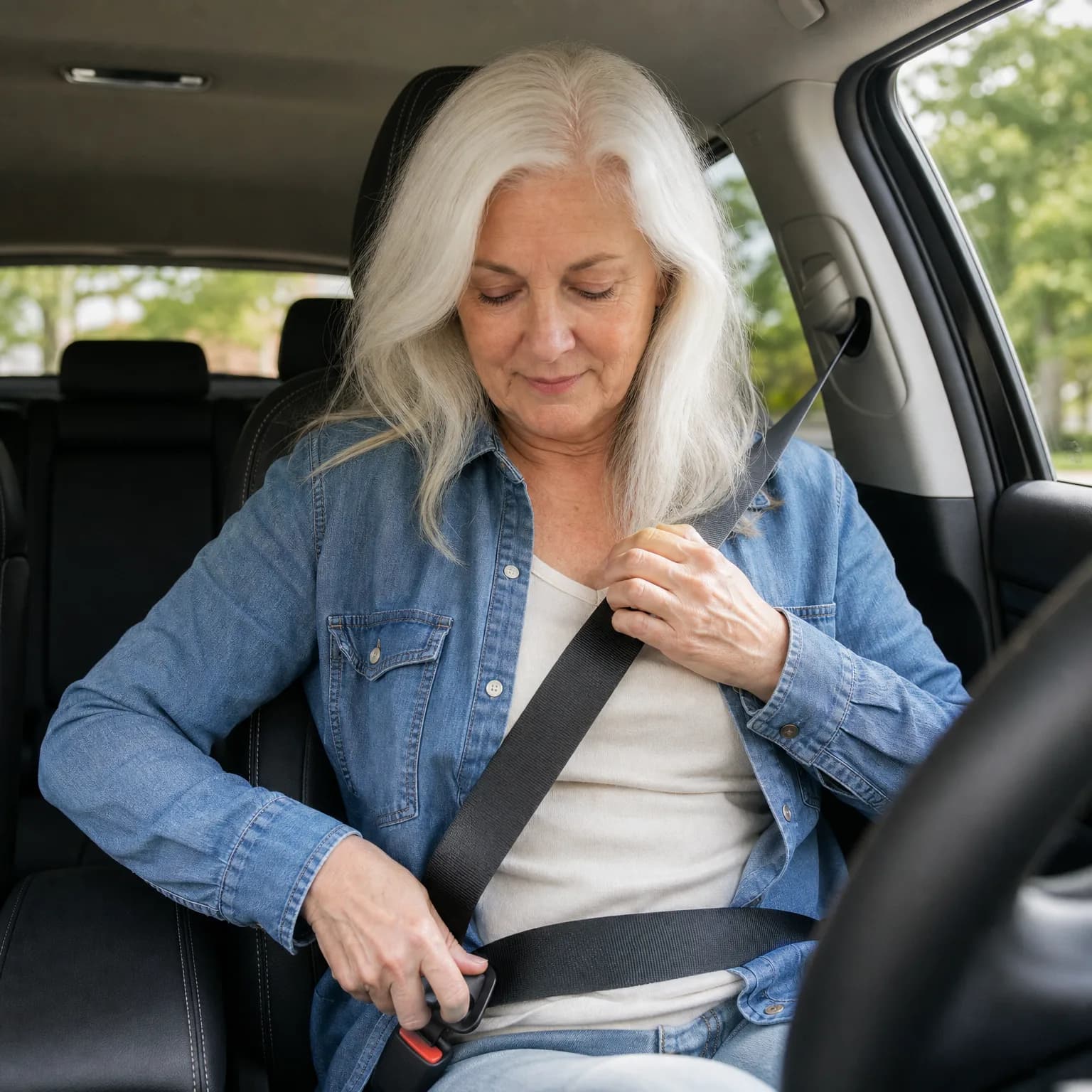
How long must you wait before driving after a heart attack in California?
The American Heart Association recommends waiting at least 1 week after an uncomplicated heart attack before resuming driving, and 4–6 weeks if you underwent bypass surgery or experienced complications. California law does not mandate a specific waiting period, but these medical guidelines become the legal standard your insurance company will apply if you're involved in an accident during your recovery.
Your cardiologist determines your individual clearance timeline based on ejection fraction, arrhythmia presence, medication side effects, and procedural recovery. If you received a stent, most cardiologists clear patients within 1–2 weeks. If you required bypass surgery, the typical clearance window extends to 6–8 weeks because of sternum healing and medication adjustment periods.
Driving before your cardiologist provides written clearance creates two risks California seniors underestimate. First, if you're involved in any accident — even one where you're not at fault — and the other party's attorney discovers you were driving during a restricted recovery period, your liability coverage may not defend you. Second, if you experience a cardiac event while driving and cause an accident, your carrier will deny the claim entirely based on material misrepresentation of your medical fitness.

What medical documentation does California DMV require after heart attack recovery?
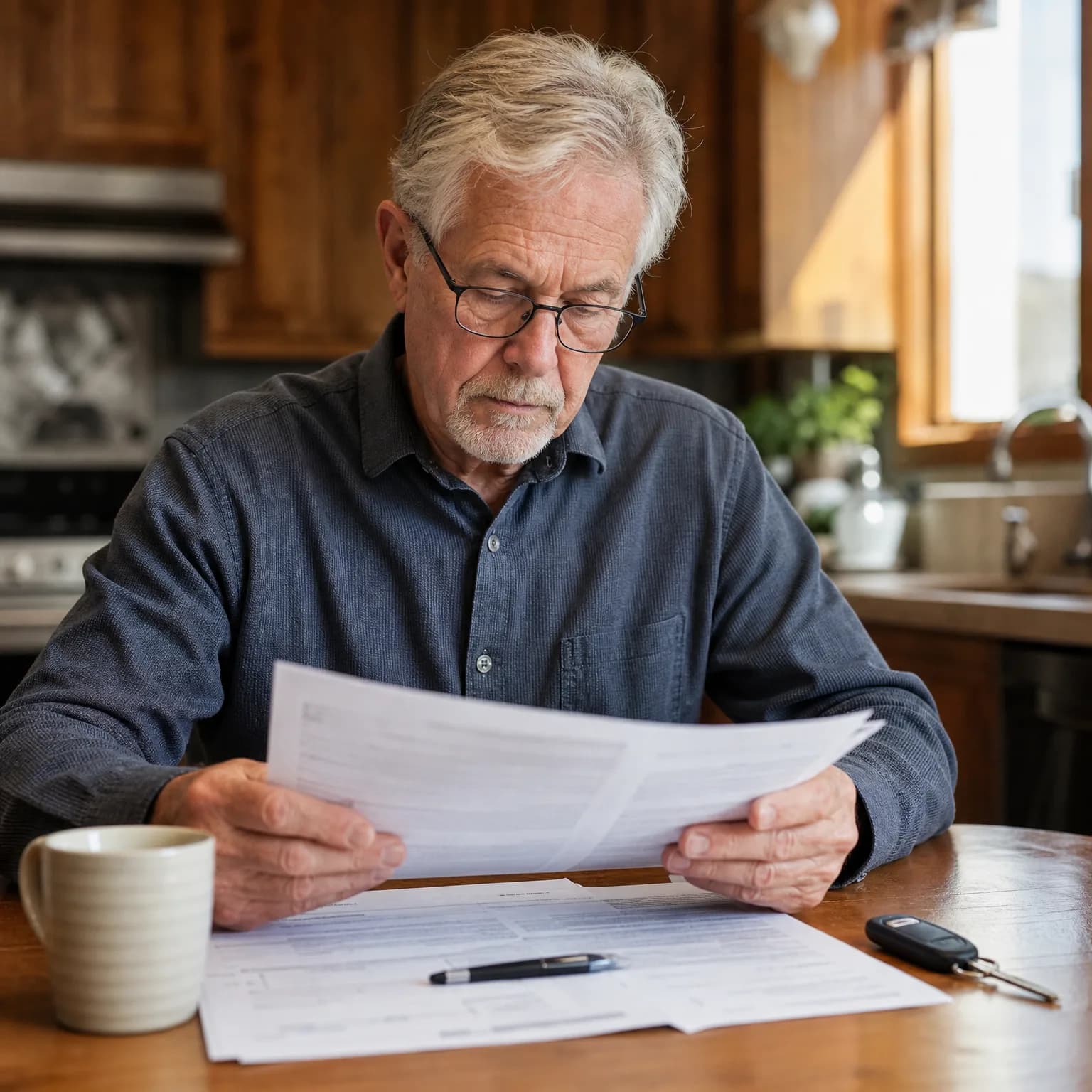
The California DMV does not proactively require you to submit medical documentation after a heart attack unless your physician files a confidential morbidity report or you are involved in an accident that triggers a driver safety review. Most heart attack patients in California never interact with the DMV during their recovery.
If the DMV does initiate a medical review, you will receive a Driver Medical Evaluation form requesting your cardiologist to complete Section B, which asks about diagnosis, treatment, current symptoms, medication side effects, and whether the condition impairs your ability to safely operate a vehicle. Your cardiologist must sign off that you are medically cleared to drive without restrictions, or they may recommend restrictions such as daytime-only driving or limited radius.
The documentation gap that affects senior drivers: your insurance company will ask for the same medical clearance your cardiologist provided, and they want it in writing before your first post-recovery drive. A verbal "you're fine to drive" during a follow-up visit is not sufficient. Request a signed letter on office letterhead stating your diagnosis, treatment date, current cardiac function status, and explicit clearance to resume driving without restrictions. This letter protects your coverage and provides documentation if the DMV later requests proof of medical fitness.

See What Drivers Over 65 Are Paying Now
See If You Qualify for DiscountsWhen and how do you notify your insurance company about a heart attack?
You must notify your California auto insurance carrier about a heart attack within the timeframe specified in your policy's material change clause, typically 30 days from the date of diagnosis. This notification requirement exists whether or not your license is suspended, because carriers treat significant cardiac events as material changes in risk assessment.
Call your agent or the carrier's customer service line and state that you experienced a cardiac event, provide the diagnosis date, and ask what documentation they require. Most California carriers will request a copy of your cardiologist's clearance letter and may ask about ongoing treatment, medication regimen, and follow-up care schedule. Some carriers will not change your premium at all if you provide prompt clearance documentation. Others may apply a surcharge of 10–25% until you demonstrate 12–24 months of stable cardiac function.
The failure mode most seniors encounter: they assume that because the DMV didn't contact them, their insurance company doesn't need to know. California carriers have claim investigation units that routinely subpoena medical records after any accident involving a driver over 65. If those records reveal a heart attack within the past 12 months that was never disclosed, the carrier will deny the claim for material misrepresentation and may rescind your policy retroactively. The disclosure requirement exists independently of whether your driving ability was actually impaired.

How does a heart attack affect your insurance rates in California?
California insurance rates after a heart attack depend on whether you were hospitalized, what procedures you underwent, your current cardiac function, and how quickly you provide medical clearance documentation. Seniors who provide a cardiologist's clearance letter within 30 days and demonstrate stable function typically see no rate increase or a minimal surcharge of 5–15% that drops off after 12 months of no further cardiac events.
Seniors who delay notification or cannot provide clear medical documentation face steeper increases, typically 20–35%, because carriers treat the lack of documentation as unresolved medical risk. If your ejection fraction is below 40%, if you have an implanted defibrillator, or if you experienced ventricular arrhythmia during recovery, expect surcharges in the 25–40% range even with full documentation.
The rate recovery timeline most seniors miss: California allows carriers to surcharge for cardiac events for up to 36 months from the event date, but most carriers drop the surcharge after 12–24 months if you provide annual cardiology reports showing stable function. Ask your agent to confirm the surcharge drop-off date in writing when the surcharge is first applied, because carriers do not automatically remove it — you must request the review and provide updated medical documentation.

Should you adjust your coverage after a heart attack?
Most California seniors should maintain their current liability limits after a heart attack and consider adding or increasing medical payments coverage to $10,000–$25,000 if their current policy carries only the $5,000 state minimum. Medical payments coverage pays your medical bills after an accident regardless of fault, and it supplements Medicare without coordination of benefits complications in California.
If you currently carry collision and comprehensive coverage on a vehicle worth less than $5,000 and your annual premium for those coverages exceeds $400, dropping them after a heart attack makes financial sense only if you have liquid savings to replace the vehicle. The risk most seniors underestimate: a cardiac event increases the statistical likelihood of a future accident during the 12-month post-recovery period, so dropping collision coverage immediately after a heart attack often proves costlier than maintaining it for one more policy term.
Uninsured motorist coverage becomes more important after a heart attack because California has an uninsured driver rate near 17%, and seniors recovering from cardiac events are more vulnerable to financial loss if struck by an uninsured driver. If your current uninsured motorist limit matches only the state minimum of $15,000 per person, increase it to match your liability limits. The cost difference is typically $8–$15 per month, and it protects your retirement assets if you're injured by a driver with no coverage.
Frequently Asked Questions
Can my insurance company cancel my policy because I had a heart attack?
California carriers cannot cancel your policy mid-term solely because you had a heart attack, but they can non-renew your policy at the end of your current term if your cardiologist does not clear you to drive or if you fail to provide requested medical documentation. If you provide timely clearance documentation showing stable cardiac function, most carriers will renew your policy with or without a surcharge.
Do I need to retake a driving test after a heart attack in California?
California does not require you to retake a driving test after a heart attack unless the DMV initiates a driver safety review and determines that a reexamination is necessary based on your medical records. Most heart attack patients never receive a reexamination notice if their cardiologist clears them to drive and they have no accidents or violations during recovery.
Will Medicare cover my medical bills if I have an accident during heart attack recovery?
Medicare covers accident-related injuries as it would any other medical event, but it does not coordinate with auto insurance medical payments coverage in California. If you carry medical payments coverage on your auto policy, those benefits pay first up to your policy limit, and Medicare pays remaining covered expenses, giving you broader financial protection during recovery.
How do I get a medical clearance letter from my cardiologist?
Call your cardiologist's office and request a letter on office letterhead stating your diagnosis, treatment date, current cardiac function status, and explicit clearance to resume driving without restrictions. Most cardiology offices are familiar with this request and can provide the letter within 3–5 business days. Bring a copy to your follow-up appointment if you want it completed the same day.
Related Articles
Heart Attack & NC License: Medical Clearance for Seniors
4/29/2026

Heart Attack & Colorado License: Doctor Clearance Guide
4/29/2026

Heart Attack & Illinois License: Medical Clearance Guide
4/29/2026

Heart Attack & WA License: Medical Clearance for Seniors
4/29/2026

Heart Attack & VA License: Medical Clearance for Seniors
4/29/2026

Heart Attack Recovery & TX License: Medical Clearance
4/29/2026