
Heart Attack Recovery and Your Oklahoma Driver's License
Free to compare
Does Oklahoma Require Medical Clearance After a Heart Attack to Keep Your License?
Oklahoma does not automatically suspend your driver's license after a heart attack, and the state Department of Public Safety does not require you to submit medical clearance forms to maintain your driving privileges. No state statute mandates that you report a cardiac event to the DPS or obtain doctor approval before driving again.
This differs sharply from conditions like epilepsy or severe vision impairment, which trigger mandatory reporting requirements in Oklahoma. The state assumes you and your physician will make the decision about when it's safe to resume driving.
However, your auto insurance policy likely contains medical notification clauses that operate independently of state licensing law. Many carriers require policyholders to report significant health changes—including heart attacks, strokes, and major surgeries—within 30 to 60 days of the event. Failure to notify can result in coverage denial if you're involved in an accident during the recovery period and the carrier determines you were medically unfit to drive.

What Your Doctor Needs to Sign Off On Before You Drive
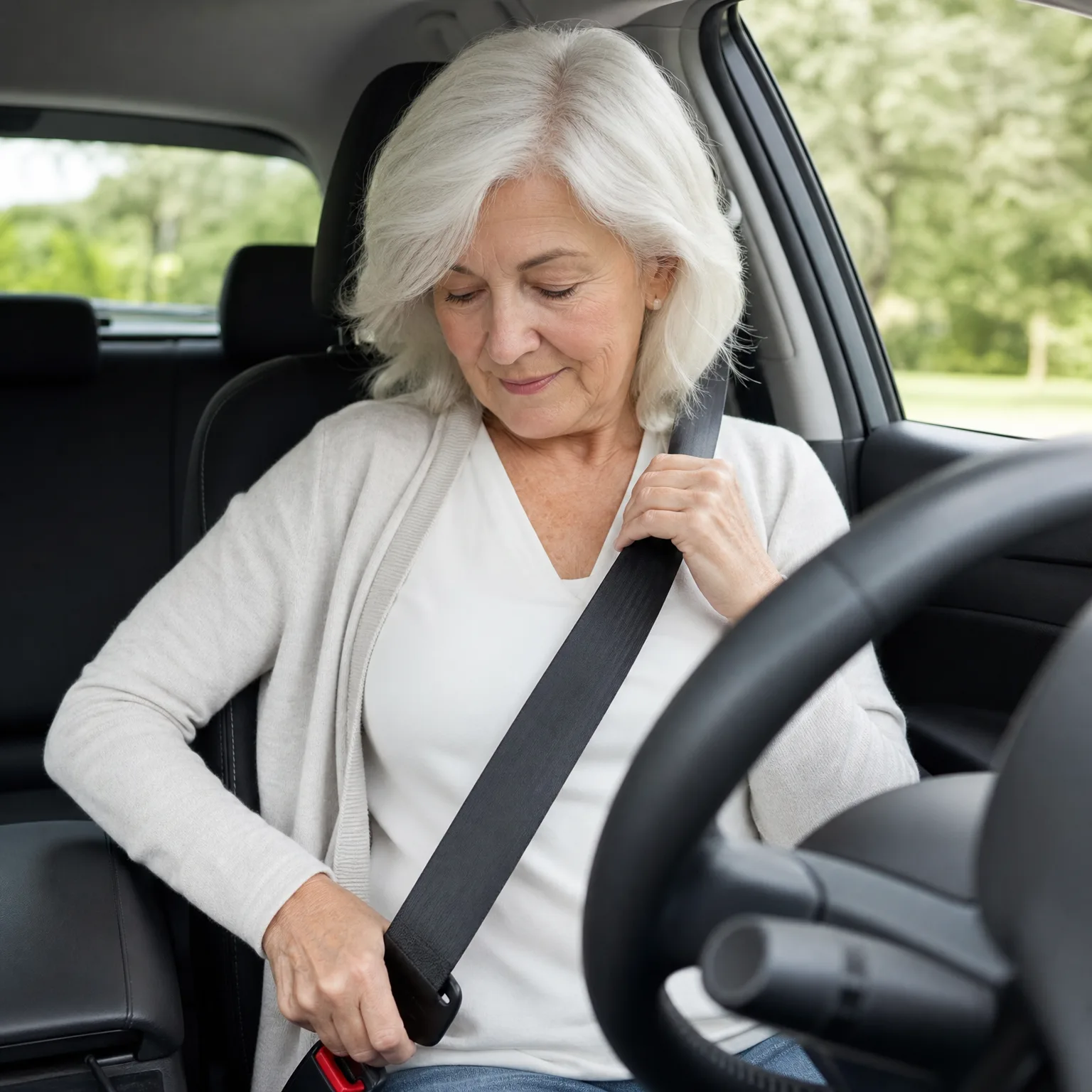
Your cardiologist will typically provide clearance based on three factors: your ejection fraction (the percentage of blood your heart pumps with each beat), the severity of any residual arrhythmia, and whether you experienced syncope (fainting) during or after the cardiac event. Most cardiologists clear patients to resume driving 1 to 4 weeks after an uncomplicated heart attack, but that timeline extends to 3 months or longer if you had an implantable cardioverter-defibrillator (ICD) placed.
The American Heart Association recommends waiting at least one week after a heart attack before driving, and longer if you underwent stent placement or bypass surgery. Your physician's written clearance should state that you are medically stable, that your cardiac function has returned to a safe baseline, and that you are not at elevated risk of sudden incapacitation while operating a vehicle.
This written clearance is not for the state—it's for your insurance company. If you resume driving without it and are involved in an accident, your carrier can argue that you violated policy terms by operating a vehicle while medically impaired, even if you felt fine at the time.
When and How to Notify Your Auto Insurance Company
Contact your insurance company within 30 days of your heart attack, even if you haven't resumed driving yet. Most policies require notification of material health changes that could affect your ability to operate a vehicle safely, and cardiac events fall squarely within that definition.
When you call, ask specifically whether your policy requires written medical clearance before you resume driving, what documentation format they accept, and whether there's a waiting period before coverage resumes. Some carriers will note the event in your file and request clearance only if you file a claim; others require clearance documentation upfront before they'll continue coverage.
Document the conversation. Note the date, the representative's name, and any instructions they provide. Follow up in writing if they request medical documentation—send it via certified mail or through your online account portal so you have proof of submission. If you fail to notify and are later involved in an accident, the carrier can deny your claim retroactively, arguing that you drove without medical fitness and violated the terms of your policy.

See What Drivers Over 65 Are Paying Now
See If You Qualify for DiscountsHow a Heart Attack Affects Your Oklahoma Auto Insurance Rates
Oklahoma insurers cannot increase your premium solely because you had a heart attack—age and health conditions are not directly rated factors under state insurance law. However, if your cardiologist restricts your driving (for example, no highway driving or no night driving), and you report those restrictions to your carrier, they may adjust your risk profile and premium accordingly.
More commonly, seniors see rate changes tied to mileage reduction after a cardiac event. If you previously drove 12,000 miles per year and now drive 5,000 miles annually during recovery, you may qualify for a low-mileage discount of 10% to 20%. Progressive, State Farm, and Allstate all offer usage-based or low-mileage programs that reward reduced driving.
Some carriers offer medical monitoring discounts for seniors who complete a defensive driving course post-recovery. Oklahoma mandates that insurers offer mature driver course discounts to drivers 55 and older who complete an approved program—typically 5% to 10% off liability and collision premiums for three years. This discount stacks with low-mileage programs and can meaningfully offset any underlying rate pressure you face as you age into higher-risk actuarial brackets.
What Happens If You Have an Accident During Your Recovery Period
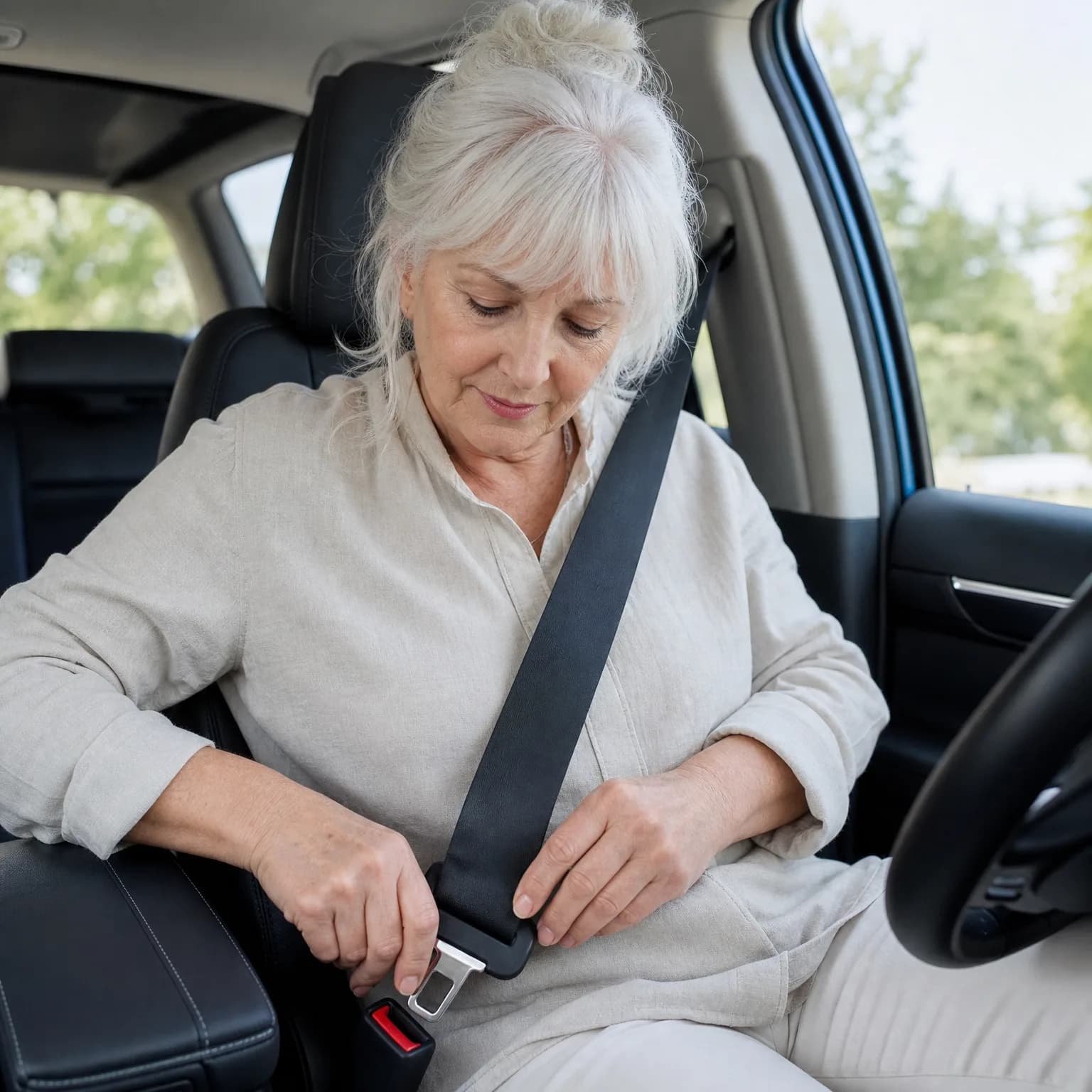
If you're involved in an accident before your cardiologist has cleared you to drive, your insurance company will investigate whether your cardiac condition contributed to the collision. They'll request your medical records, interview your physician, and determine whether you were medically fit to operate the vehicle at the time of the accident.
If the carrier concludes you were not medically cleared and that your condition contributed to the accident—for example, you experienced chest pain, dizziness, or shortness of breath immediately before the collision—they can deny your collision claim, deny your liability coverage, and potentially rescind your policy for material misrepresentation. This leaves you personally liable for all damages, including injuries to other parties.
Oklahoma is an at-fault state, meaning the driver responsible for the accident is liable for all damages. If your carrier denies coverage, you're exposed to the full cost of medical bills, vehicle repairs, and legal judgments. For a serious accident, that liability can exceed $100,000. The cost of waiting two to four weeks for medical clearance is zero; the cost of driving without it can be financially catastrophic.

Medicare, Medical Payments Coverage, and Post-Heart Attack Treatment Costs
If you're 65 or older and enrolled in Medicare, your health insurance covers the vast majority of heart attack treatment costs—hospitalization, surgery, cardiac rehabilitation, and follow-up care. Medicare Part B also covers 80% of the cost of outpatient cardiac rehabilitation programs, which are strongly recommended after a heart attack to reduce the risk of future events.
However, Medicare does not cover costs arising from auto accidents. If you're injured in a car accident during your recovery period, your auto insurance medical payments coverage (MedPay) or personal injury protection (PIP) pays first, before Medicare. Oklahoma does not require PIP, but many senior drivers carry $5,000 to $10,000 in MedPay to cover out-of-pocket costs that Medicare doesn't address, such as ambulance transport and emergency room copays.
If your carrier denies your claim because you were driving without medical clearance, you lose access to that MedPay or PIP coverage. Medicare will cover your injuries as a secondary payer, but you'll face higher out-of-pocket costs, and any injuries to passengers in your vehicle will not be covered at all. Ensuring you have written medical clearance before resuming driving protects both your liability exposure and your access to first-party medical benefits.
Frequently Asked Questions
Do I have to tell Oklahoma DPS about my heart attack?
No. Oklahoma does not require you to report a heart attack to the Department of Public Safety, and your license will not be automatically suspended. However, your auto insurance policy likely requires you to notify your carrier within 30 to 60 days of any major health event that could affect your driving ability.
How long do I have to wait to drive after a heart attack in Oklahoma?
Oklahoma law does not specify a mandatory waiting period. Most cardiologists clear patients to resume driving 1 to 4 weeks after an uncomplicated heart attack, but longer if you had an ICD implanted or experienced fainting episodes. Always wait for written medical clearance before driving to protect your insurance coverage.
Can my insurance company deny a claim if I drive before my doctor clears me?
Yes. If you're involved in an accident before receiving written medical clearance and your carrier determines you were medically unfit to drive, they can deny your collision claim, liability coverage, and potentially rescind your policy for violating the terms of coverage.
Will my car insurance rates go up after a heart attack?
Oklahoma insurers cannot raise your rates solely because you had a heart attack. However, if you reduce your annual mileage during recovery, you may qualify for low-mileage discounts of 10% to 20%, which can lower your premium significantly.
Does Medicare cover injuries from a car accident during heart attack recovery?
Medicare covers your medical treatment, but only as a secondary payer after your auto insurance medical payments coverage pays first. If your insurer denies your claim because you drove without medical clearance, you lose access to that first-party coverage and face higher out-of-pocket costs.
Related Articles
Heart Attack Recovery & Arkansas Driver's License Rules
4/29/2026

Heart Attack Recovery & Kansas License: Clearance Guide
4/29/2026

Heart Attack Recovery & Oregon License: Medical Clearance
4/29/2026

Heart Attack Recovery & TX License: Medical Clearance
4/29/2026

Heart Attack & Florida License: Medical Clearance Facts
4/29/2026
Heart Attack Recovery & Kentucky License: Medical Clearance
4/29/2026