
Vermont License After Heart Attack: Medical Clearance Timeline
Free to compare
Vermont's Medical Clearance Process After Cardiac Events
Vermont DMV requires medical clearance from your treating physician before reinstating driving privileges after a heart attack, but the state does not mandate a minimum waiting period. Your cardiologist determines when you're medically fit to drive based on functional recovery, medication stability, and ejection fraction levels. Most senior drivers receive clearance 4-8 weeks post-event if recovery is uncomplicated and cardiac rehab progresses normally.
The Medical Review Unit at Vermont DMV reviews submissions on a case-by-case basis. Your cardiologist completes Form MV-34 (Medical Practitioner's Statement) detailing cardiac function, current medications, and any restrictions recommended for driving. The form asks specifically about syncope risk, arrhythmia control, and whether your condition could cause sudden incapacitation while driving.
Vermont law allows voluntary license surrender during recovery, which stops the clock on renewal deadlines and prevents lapsed status. If you surrender your license, you request reinstatement once medically cleared rather than applying for a new license. The reinstatement fee is $18 versus $32 for a new license application.
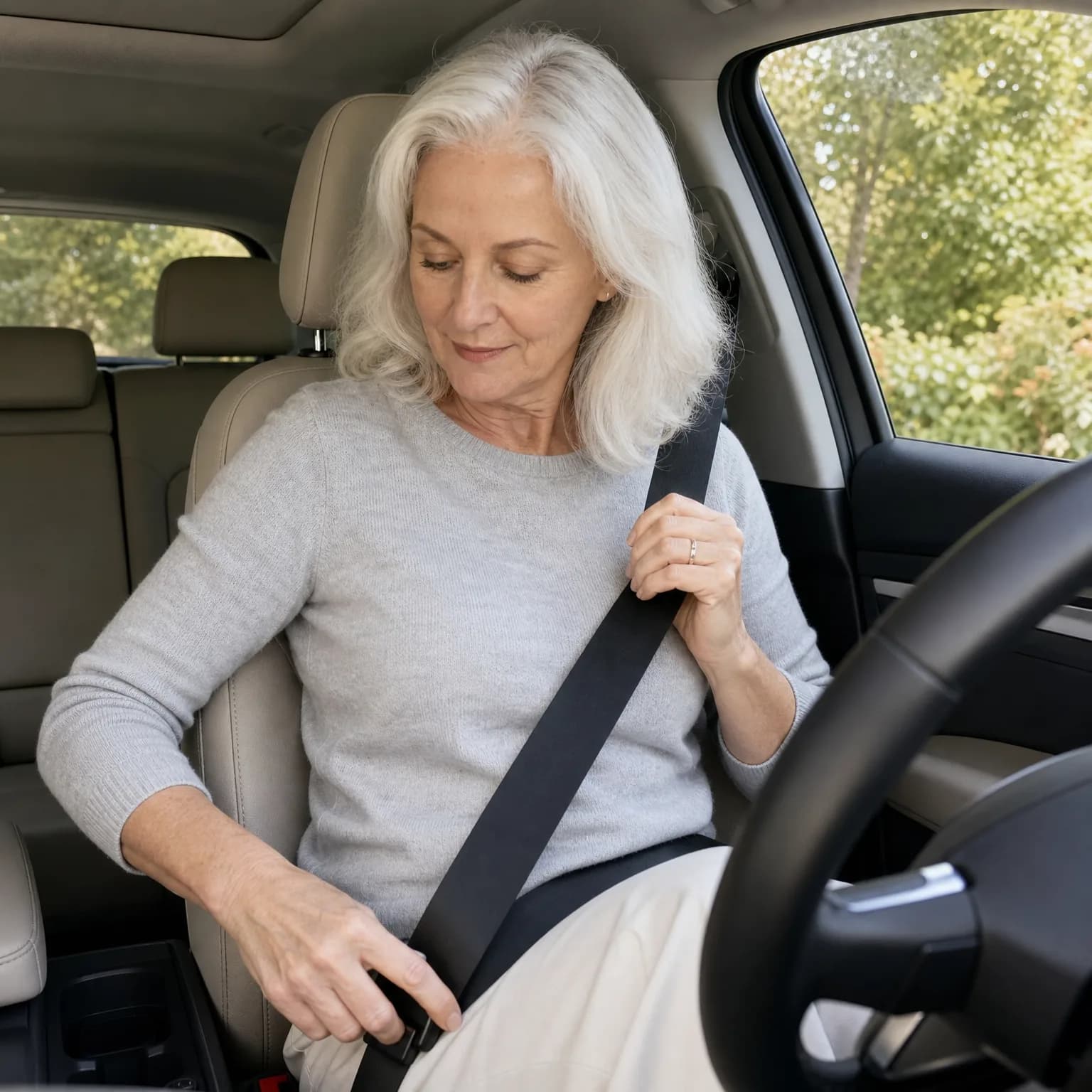
What Your Cardiologist Evaluates for Driving Clearance
Cardiologists assess driving fitness based on three primary metrics: left ventricular ejection fraction (LVEF), arrhythmia control, and exercise capacity measured in metabolic equivalents (METs). Vermont follows American Heart Association guidelines recommending LVEF above 30% and stable rhythm control before unrestricted driving clearance. Most cardiologists require completion of Phase I cardiac rehab and at least two weeks of stable outpatient medication management before signing off.
Exercise capacity matters because driving requires sustained attention and the ability to respond to sudden stress. Your cardiologist will typically clear you for driving if you can perform 5 METs of activity without symptoms — roughly equivalent to walking two city blocks at normal pace or climbing one flight of stairs without chest pain or significant shortness of breath.
If you received an implantable cardioverter-defibrillator (ICD), Vermont DMV follows stricter guidelines. You cannot drive for 6 months after ICD placement or after any shock event. Your cardiologist must certify device function and absence of arrhythmia episodes before clearance. This waiting period is non-negotiable and appears in Vermont statute 23 V.S.A. § 610.

Notifying Your Insurance Carrier Within 30 Days
Vermont law does not require you to notify your auto insurer about a heart attack, but your policy contract almost certainly does. Standard auto policies include a clause requiring notification of any medical condition that could affect your ability to drive safely. Most carriers set a 30-day notification window from the date of the cardiac event, not from the date of hospital discharge.
Failure to notify within the contractual window can void coverage if an accident occurs and the carrier determines the cardiac condition contributed. This is not theoretical — carriers have successfully denied claims when drivers failed to disclose medical events that affected driving ability. The notification does not automatically trigger a rate increase, but it creates a documented record that you disclosed the condition as required.
When you notify your carrier, ask whether your policy includes medical payments coverage or personal injury protection. These coverages can supplement Medicare for accident-related medical expenses. Medical payments coverage typically pays $1,000-$10,000 per accident regardless of fault and coordinates with Medicare as secondary coverage. For senior drivers on Medicare, this coordination matters because Medicare covers accident injuries but doesn't pay for all ambulance costs or initial emergency treatment in some scenarios.

See What Drivers Over 65 Are Paying Now
See If You Qualify for DiscountsHow License Status Affects Your Insurance Premium
Voluntary license surrender during recovery does not trigger a lapse notice to your insurer if you maintain continuous coverage on the vehicle. Vermont allows you to keep insurance active on a garaged vehicle even when you're not driving it. Many senior drivers maintain coverage during medical recovery periods to avoid the lapse penalty that appears when you reinstate — gaps longer than 30 days typically increase premiums 20-40% for the first renewal cycle.
If you share a vehicle with a spouse or family member who continues driving it during your recovery, you must remain listed on the policy. Removing yourself as a listed driver while you still have legal access to the vehicle creates a material misrepresentation issue. Instead, notify your carrier that you are temporarily not driving due to medical restrictions — most carriers will note this on your policy without removing you as a listed driver.
Once you receive medical clearance and reinstate your license, notify your carrier of reinstatement within 10 business days. Some carriers offer a mature driver discount that requires an active unrestricted license — if you were receiving this discount before your cardiac event, confirm it remains applied after reinstatement. The discount typically ranges from 5-10% and requires completion of an approved defensive driving course within the past three years.

Vermont-Specific Coverage Considerations for Senior Drivers After Cardiac Events
Vermont is a fault state, meaning the at-fault driver's liability coverage pays for injuries and damage in an accident. For senior drivers managing cardiac conditions, this structure makes uninsured motorist coverage particularly valuable — it pays your medical expenses and vehicle damage if you're hit by a driver with no insurance or insufficient coverage to pay your claim fully. Vermont's minimum liability limits are low ($25,000 per person for bodily injury), and roughly 8% of Vermont drivers carry no insurance at all.
Medical payments coverage becomes more important after a cardiac event because accident-related stress can trigger secondary cardiac complications. This coverage pays immediately without requiring fault determination, covering initial emergency treatment, ambulance transport, and follow-up care related to accident injuries. It coordinates with Medicare, often covering copays and deductibles that Medicare doesn't pay.
If you're driving less during recovery or have decided to limit driving to local errands and medical appointments, ask your carrier about low-mileage discounts. Vermont carriers typically offer 5-15% discounts for drivers logging fewer than 7,500 miles annually. You'll need to verify mileage through annual odometer readings or telematics tracking, but for senior drivers who no longer commute, this discount often outweighs any rate adjustments related to age or medical history.
Frequently Asked Questions
Can I drive myself to cardiac rehab appointments in Vermont before full medical clearance?
No — Vermont DMV prohibits driving without medical clearance after a reportable cardiac event, even for medical appointments. Your cardiologist must submit Form MV-34 certifying you're medically fit to drive before you can legally operate a vehicle. Arrange transport through family, medical transport services, or Vermont's Elders and Persons with Disabilities transportation programs until clearance is granted.
Does Vermont require retesting after a heart attack to reinstate my license?
Vermont DMV does not automatically require road retesting after cardiac events if your cardiologist certifies unrestricted driving clearance. The Medical Review Unit may order a driving evaluation if your medical report indicates reduced functional capacity, cognitive effects from medications, or restrictions on driving duration or distance. Most senior drivers with uncomplicated recovery and full clearance reinstate without retesting.
Will my auto insurance rate increase after I notify my carrier about a heart attack?
Notification alone does not automatically trigger a rate increase. Carriers evaluate your overall risk profile, including your driving record, claims history, and whether your cardiologist imposed any driving restrictions. If you receive unrestricted medical clearance and maintain a clean driving record, most carriers do not adjust your premium based solely on the cardiac event disclosure.
What happens if I have another cardiac event while driving in Vermont?
If a cardiac event causes an accident, your liability coverage pays for injuries and damage you cause to others, and medical payments or PIP coverage pays your immediate medical expenses. Vermont law does not automatically suspend your license after an accident caused by a medical event, but DMV's Medical Review Unit will require updated evaluation from your cardiologist before allowing continued driving. Your carrier will investigate whether the cardiac condition was disclosed as required by your policy.
Can I keep my car insurance active if I surrender my license temporarily during recovery?
Yes — Vermont allows you to maintain comprehensive and collision coverage on a garaged vehicle even when you're not driving. If a spouse or household member drives the vehicle during your recovery, you must remain listed on the policy as a household member with access. Maintaining continuous coverage prevents the lapse penalty that typically increases premiums 20-40% when you reinstate after gaps longer than 30 days.
Related Articles

VT License Renewal After Stroke: Medical Review Steps
4/29/2026

MA Heart Attack Recovery: License Medical Clearance
4/29/2026

Heart Attack & VA License: Medical Clearance for Seniors
4/29/2026

CT License After Heart Attack: Medical Clearance Timeline
4/29/2026

Heart Attack Recovery & WV License: Doctor Clearance
4/29/2026
Heart Attack & Maine License: Medical Clearance Rules
4/29/2026