Hit and Run Coverage Without a Police Report
A police report helps, but most insurers will still take your claim without one if you can show what happened some other way.
Free to compare
You can usually still file a claim
Insurers ask for a police report because it's the clearest proof that a hit and run happened. It isn't the only proof they accept. Photos of the damage, a timestamped note of where and when it happened, a witness, or even a dashcam clip can take its place.
What changes without a report is how much work falls on you. The adjuster has to take your word for more of the story, so the details you give them matter more. Call your insurer as soon as you can after the incident and tell them exactly what you told, or would have told, the police.
Whether you have uninsured motorist coverage
A hit and run claim almost always runs through your uninsured motorist coverage, since the other driver can't be billed if they're never identified. Without that coverage, or in a state where it isn't required, you may have little to claim against beyond your own collision coverage, if you carry it.
Check your policy for uninsured motorist property damage and uninsured motorist bodily injury separately. Some policies carry one and not the other.
If you do have collision coverage, that can cover the vehicle damage regardless of whether the other driver is found, but you'll pay your deductible, and your insurer may still ask for some record of the event before they pay out.
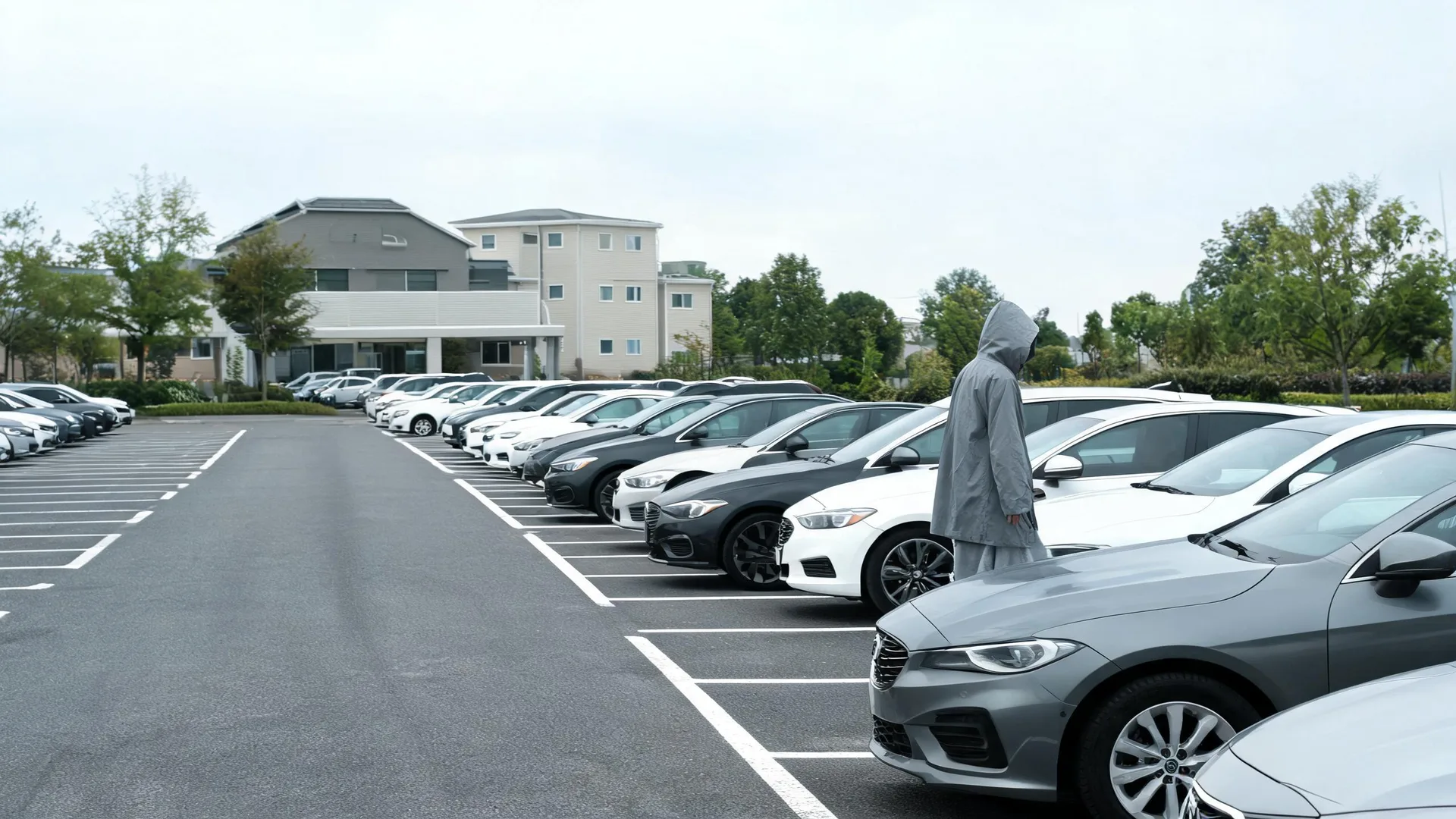
How soon you reported it and what you can show
The longer you wait to tell your insurer, the harder it becomes to support a claim with no police report behind it. Most policies have a window for reporting an accident, and missing it can be used against you even if the rest of your story holds up.
What you gather right after the incident matters more than what you remember later. Photos of your car, the location, any paint transfer or debris, and the time you noticed the damage all help build the record a police report would otherwise have provided.
Some states also require you to report a hit and run to police within a set time to keep certain protections, even if you're not asking the police to find the other driver. Check your state's requirement rather than assume it doesn't apply because no one was hurt.
Questions people ask about this
Does my rate go up after a hit and run claim if I wasn't at fault?
It depends on your insurer and your state, since fault determines this in some places but not others. Ask your insurer directly whether an uninsured motorist claim is treated differently from an at-fault claim on your policy.
What if I only have liability coverage?
Liability coverage pays for damage you cause to others, not damage to your own car, so it generally won't help with a hit and run unless you also carry uninsured motorist property damage or collision coverage. Check your declarations page for what coverages you actually carry.
Can I still report the hit and run to police after I've filed with my insurer?
In most places you can file a police report after the fact, and your insurer may ask you to. Check with your local police department on their process for a delayed report, since some require you to file within a certain window.
Will my insurer investigate the hit and run themselves?
Insurers sometimes look into a claim on their own, checking nearby cameras or asking for more documentation, but this isn't guaranteed and varies by insurer and by how much is being claimed. Ask your adjuster what, if anything, they plan to look into.
Does a hit and run on a parked car work the same way?
The same principles apply, since you still rely on uninsured motorist property damage or collision coverage rather than liability. Without a driver present, your evidence often comes down to witnesses, a note left on your windshield, or nearby camera footage, so check for any of those quickly.
See what other drivers in your situation are paying before you renew.
Pull your policy and check whether you carry uninsured motorist property damage, uninsured motorist bodily injury, and collision coverage, since one of these is almost certainly how a hit and run claim without a police report gets paid. Call your insurer this week, not after your next renewal, and tell them what happened in as much detail as you can, including dates, times, and any photos you took. Ask them directly what they need from you given that there's no police report, rather than assuming. If your state has a deadline for reporting a hit and run to police, file one even now if you're still inside that window. Keep a copy of everything you send your insurer, in case the claim is questioned later.