Should I Report a Hit and Run to My Insurance
Report it as soon as you can, because your insurer needs to know before you can use your coverage to pay for the damage.
Free to compare
Yes, call your insurer even if no one was hurt and the damage looks small
Report the hit and run to your insurance company, not just the police. The police report matters for the record, but it's your insurer who decides whether your policy pays for the repair, and they can't do that until you've told them what happened.
Most policies also set a window for reporting a claim. Wait too long and you give the insurer a reason to question the claim, even if the accident itself wasn't your fault.
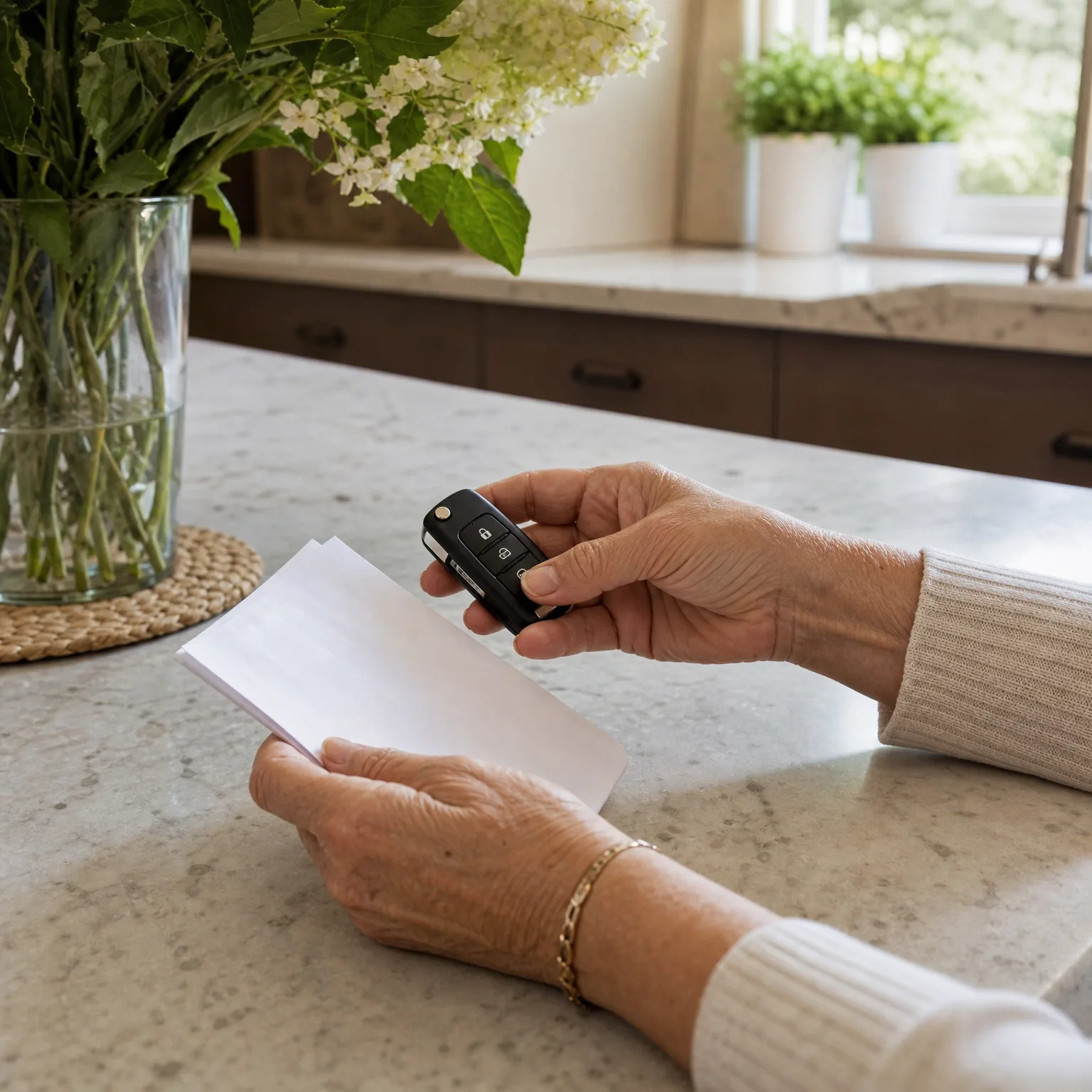
Whether you have uninsured motorist or collision coverage changes what happens next
If you carry uninsured motorist property damage coverage, a hit and run is exactly what it's for. The other driver fled, so there's no insurance to collect from, and this coverage exists to pay for that situation instead.
If you don't have that coverage, collision coverage can still pay for the repair, though you'll likely owe your deductible. Without either one, there may be nothing your policy can do, which is worth knowing before you decide whether filing a claim is even useful.
Check your declarations page or call your agent and ask directly which of these two coverages you have. Don't assume. Plenty of drivers carry one and not the other and only find out which after an accident.
What you reported, and when, affects whether the claim holds up
Insurers look closely at hit and run claims because there's no other driver to confirm your version of events. A police report filed soon after the accident, with the location, time, and any description of the other vehicle, backs up what you tell your insurer.
Photos of the damage help too, especially if they show details consistent with being struck by another car rather than some other kind of damage.
If you waited to report the accident, or you have no record of it beyond your own account, your insurer may ask more questions before paying the claim. That's not the same as being denied, but it's slower, and it helps to have as much documentation as you can gather early.
Questions people ask about this
Will my rate go up if I report a hit and run?
Usually not, since the accident wasn't your fault. Insurers typically reserve rate increases for at-fault accidents, but ask your own insurer how they handle not-at-fault claims, since this varies by company.
What if I don't know who hit my car?
You can still file a claim. That's the situation uninsured motorist property damage coverage is meant for, since it doesn't require identifying the other driver, only evidence that a hit and run occurred.
Do I need a police report to file an insurance claim?
Check with your insurer, since some require one and others don't. Even when it's not required, a police report filed soon after the accident supports your claim if your insurer has questions later.
What if the damage is minor and I don't want to file a claim?
You can choose to pay for small damage yourself instead of filing a claim. Weigh the repair cost against your deductible, since filing a small claim that costs less than your deductible won't get you anything from your insurer anyway.
Can I still file a claim if I reported the hit and run late?
It depends on your policy's reporting window and your insurer's judgment. Call your insurer and explain why there was a delay. They may still accept the claim, but a late report gives them more reason to ask questions.
If this has you wondering whether your current coverage would actually pay out, it's worth seeing what other policies offer.

Call the police to file a report while the details are fresh, even if the officer can't identify the other driver. Take photos of the damage and write down what you remember about the time and location. Then call your insurer or agent and ask whether you have uninsured motorist property damage or collision coverage, since that answer decides how the claim will go. Have your policy number ready, along with the police report number once you have it. Ask your insurer directly whether filing this claim will affect your rate, since they can give you a real answer for your policy rather than a general one.