Steps to Take After a Hit and Run
Stop safely, write down everything you can before it fades, and report it to the police before you call your insurer.
Free to compare
Get safe, document what you saw, then call the police
Pull over if you can do so safely and check for injuries. Even if the damage looks minor, write down the other car's plate, make, model, and color right away, along with the time and location. Memory fades fast, and a few details can make the difference between an identified driver and an open case.
Call the police and file a report at the scene or as soon after as you can. Most insurers require a police report to process an uninsured motorist or hit and run claim, and some states require you to report within a set time. Then call your own insurer to start the claim, even though you weren't at fault. Your insurer is who you'll work with first, not the other driver's, since the other driver hasn't been found yet.
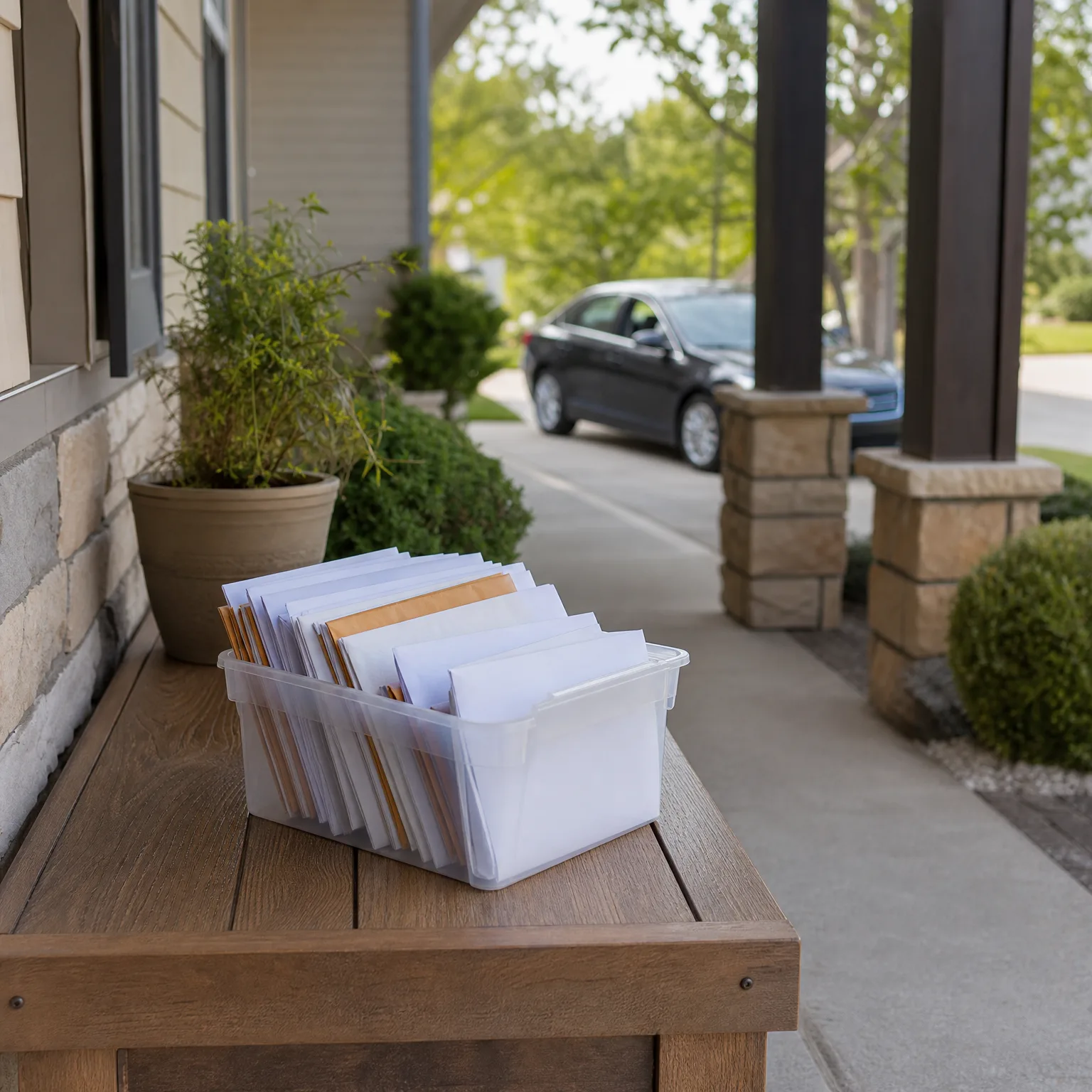
What coverage you have changes what happens next
If you carry uninsured motorist coverage, that's usually what pays for your injuries and sometimes your vehicle damage when the other driver can't be identified. Without it, you may be relying on collision coverage for the car and your own health insurance for injuries, which often means deductibles and out of pocket costs you wouldn't have if the driver had been found and insured.
Check your policy for what's called uninsured motorist property damage, since some states don't require it even when they require uninsured motorist bodily injury. That gap matters a lot after a hit and run, because the car is usually what's damaged.
If the other driver is later identified, your insurer may pursue them to recover what was paid out. That doesn't always mean your rate is treated the same as an at-fault accident, but how it's handled depends on your insurer and your state, so ask directly rather than assume.
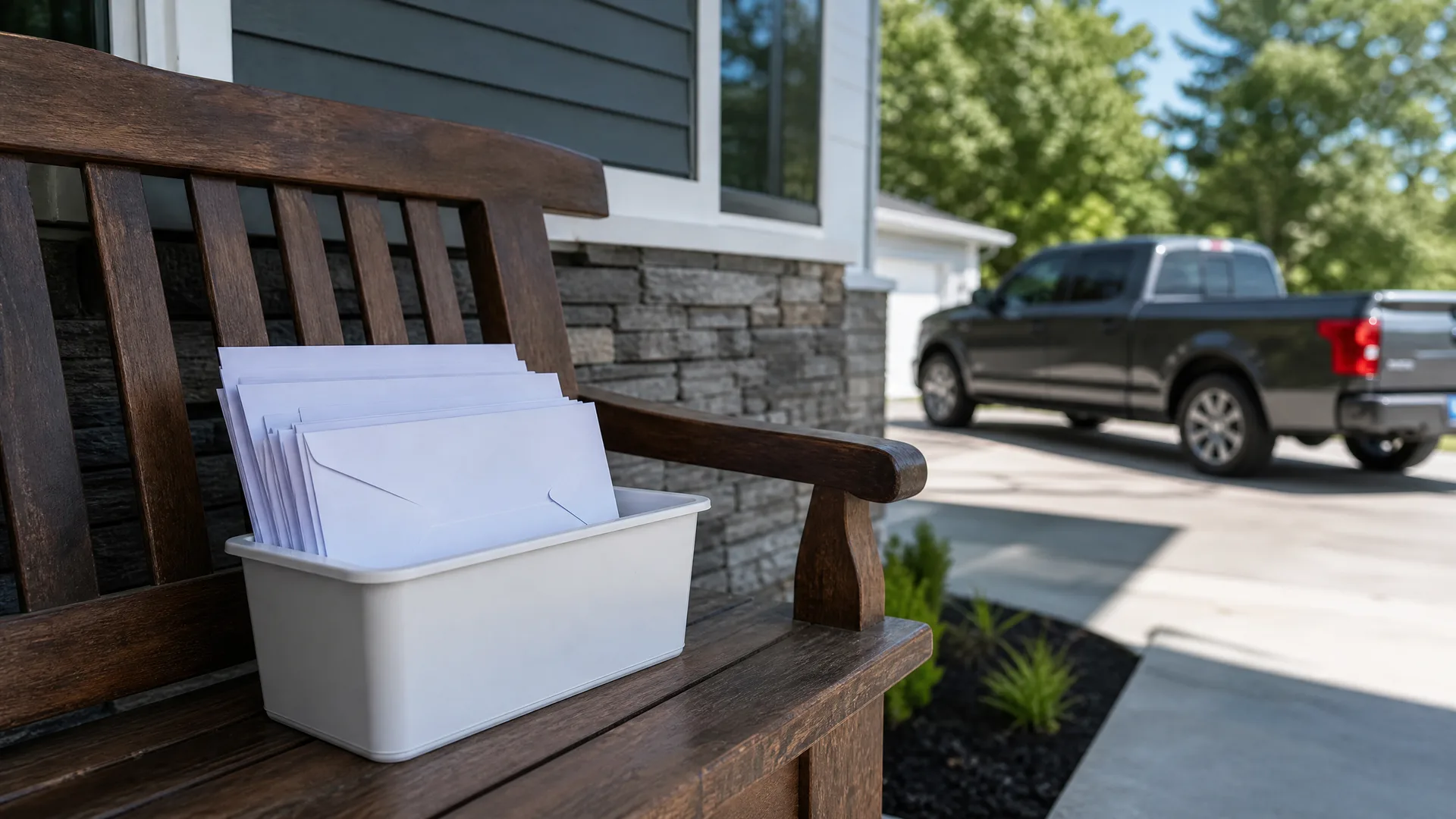
What you do in the first hours matters most
Photos of the damage, the scene, and anything else nearby like skid marks or debris are worth taking before anything gets cleaned up or moved. If anyone saw what happened, get their name and a way to reach them before they leave. Witnesses are far easier to find in the moment than afterward.
Write down what you remember as soon as you're able, even just notes on your phone. Partial plate numbers, a general direction the car went, anything unusual about the vehicle. Police sometimes identify a driver from details that seemed too small to matter at the time.
Keep a copy of the police report number and any case number you're given. Your insurer will ask for it, and so will anyone else involved in settling the claim.
Questions people ask about this
Will my insurance rate go up after a hit and run that wasn't my fault?
It depends on your insurer and the type of claim you file. Some insurers treat uninsured motorist claims differently from at-fault claims, but that's not guaranteed everywhere, so ask your insurer directly how a hit and run claim is classified on your policy.
What if the police never find the other driver?
Your claim can still move forward using your own coverage, typically uninsured motorist or collision coverage depending on what you carry. The police report still matters even without an arrest, since insurers usually require it to process the claim.
Do I have to report a hit and run to the police if there's no injury?
Most states require you to report any accident involving property damage, and a hit and run is treated seriously regardless of how minor it looks. Check your state's reporting requirement, since some set a time limit for filing.
Can I still file a claim if I didn't get the other car's plate number?
Yes, you can still file, but having a plate number or partial plate makes it more likely the driver is identified. Without it, your claim will likely rely on your own coverage rather than recovery from the other driver.
Does my insurance cover a hit and run while my car is parked?
Whether a parked car hit and run is covered depends on the type of coverage you carry, often collision coverage rather than liability. Check your policy or ask your insurer, since some policies handle unattended vehicle damage differently.
If a hit and run has you wondering whether your coverage is enough, it's worth seeing what other policies offer.
Call the police and get a report filed if you haven't already, and keep the report number somewhere you can find it. Call your insurer this week to start the claim and ask directly how they classify hit and run claims on your policy. Pull out your policy or declarations page and check whether you have uninsured motorist property damage coverage, since that's easy to miss. Write down everything you remember about the scene while it's still fresh, even small details. If you're not sure your coverage is adequate for this kind of situation, it's a good time to compare what else is available.